
It’s a familiar sensation: you rise from a seated or lying position, and for a split second—or longer—your vision clouds over. The world may dim, tunnel, or even go completely black at the edges. Some people describe it as “seeing stars” or feeling lightheaded alongside the blurriness. While often dismissed as harmless or just a quirk of the body, sudden vision changes upon standing can signal underlying physiological shifts that deserve attention.
This phenomenon, medically known as orthostatic hypotension (a drop in blood pressure upon standing), is more than just a fleeting inconvenience. Although mild cases are common and usually benign, persistent or severe episodes may point to dehydration, autonomic dysfunction, medication side effects, or even early signs of cardiovascular issues. What many don’t realize is that blurred vision during positional changes isn't always due to eye problems—it's frequently linked to how well your circulatory system adapts to gravity.
The Science Behind Vision Changes When Standing
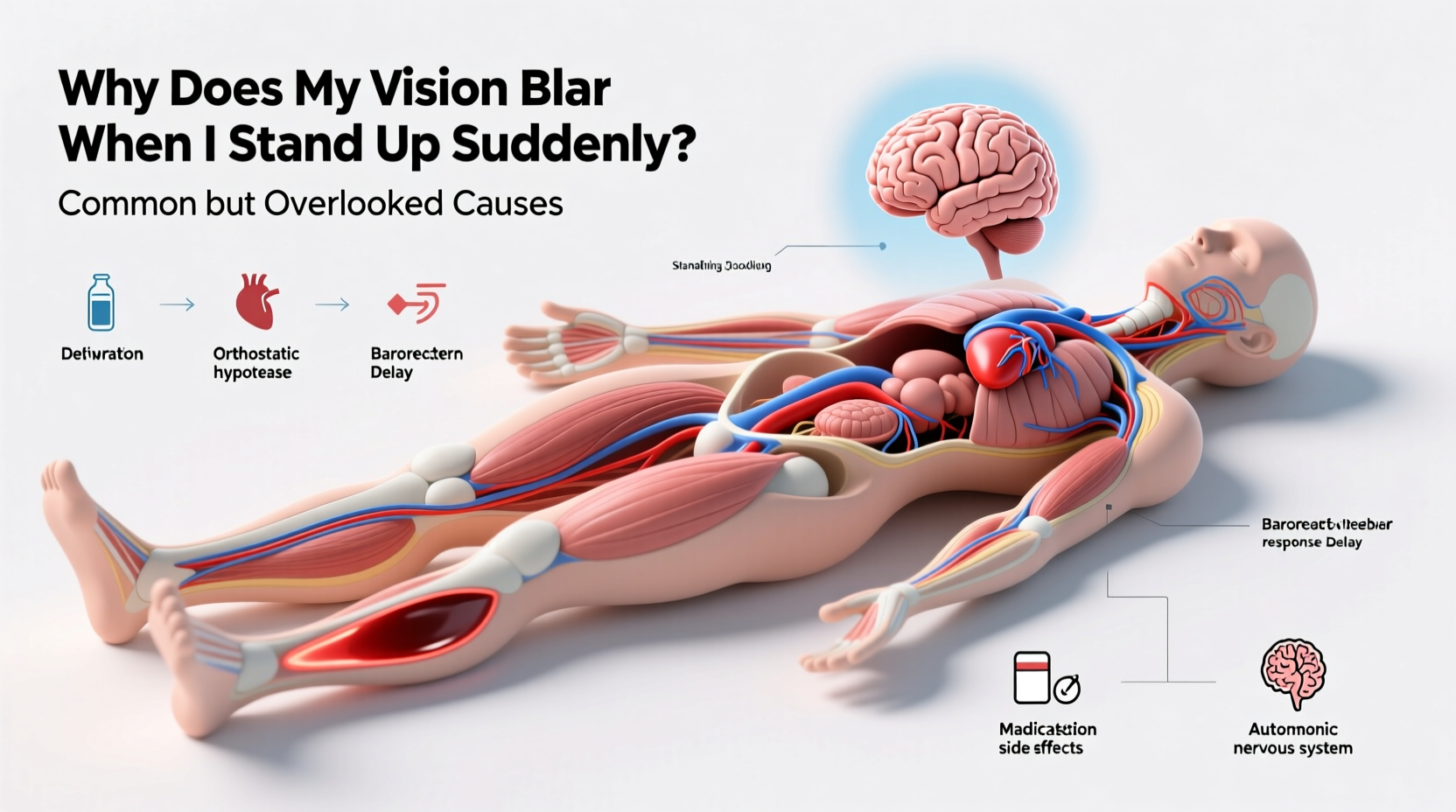
When you stand up, gravity pulls blood downward into your legs and abdomen. In response, your body must quickly adjust by increasing heart rate and constricting blood vessels to maintain adequate blood flow to the brain. If this reflexive mechanism falters—even slightly—blood pressure drops, leading to reduced cerebral perfusion. Since the optic nerves and visual cortex rely heavily on consistent oxygen supply, any dip in circulation can disrupt visual processing, resulting in temporary blurring, dimming, or spots in your field of vision.
This process is managed by the autonomic nervous system, which operates automatically. However, various factors can impair its efficiency. For instance, age-related decline in vascular tone, chronic illnesses like diabetes, or certain medications can blunt the body’s ability to compensate for postural shifts.
“Even a 20-point drop in systolic blood pressure upon standing can significantly reduce blood flow to the brain, enough to cause transient visual disturbances.” — Dr. Lena Torres, Neurocardiologist, Johns Hopkins Medicine
Common Causes Often Overlooked
While most assume dehydration or low iron levels are the primary culprits behind blurry vision upon standing, several lesser-known contributors are frequently missed in routine evaluations.
- Medication Side Effects: Antihypertensives, diuretics, antidepressants (especially tricyclics), and Parkinson’s drugs can all interfere with blood pressure regulation.
- Dysautonomia: Conditions like POTS (Postural Orthostatic Tachycardia Syndrome) involve abnormal autonomic responses, where heart rate spikes excessively without adequate blood pressure support.
- Adrenal Insufficiency: Low cortisol levels impair vascular responsiveness, making it harder for the body to maintain pressure when upright.
- Subclinical Anemia: Even mild anemia reduces oxygen-carrying capacity, amplifying symptoms when cerebral demand increases.
- Prolonged Bed Rest or Sedentary Lifestyle: Lack of physical conditioning weakens venous return mechanisms, reducing orthostatic tolerance.
Hidden Role of Hydration and Electrolytes
Hydration goes beyond simply drinking water. True fluid balance depends on electrolyte concentration—particularly sodium, potassium, and magnesium. Chronic low-salt diets, excessive sweating, or overuse of diuretic beverages like coffee and alcohol can deplete these essential minerals, impairing the body’s ability to retain fluid volume and regulate blood pressure.
For example, hyponatremia (low sodium) may not show obvious symptoms until positional changes trigger neurological manifestations like dizziness or blurred vision. Athletes, older adults, and those on restrictive diets are especially vulnerable.
When It Might Be More Than Just Blood Pressure
Although orthostatic hypotension accounts for most cases, other systems can contribute to visual disturbances upon standing:
- Ocular Blood Flow Regulation: The retina and optic nerve receive blood through specialized vessels that may be sensitive to rapid pressure changes. People with glaucoma or vascular eye diseases may experience exacerbated blurring due to compromised ocular perfusion.
- Cervical Spine Issues: Cervical spondylosis or vertebral artery compression can restrict blood flow to the posterior brain (including visual centers) when neck position changes during standing.
- Inner Ear and Vestibular Dysfunction: While primarily affecting balance, vestibular disorders can create sensory mismatches that manifest as visual instability or perceived blurring.
| Cause | Key Symptoms | Diagnostic Clue |
|---|---|---|
| Orthostatic Hypotension | Blurred vision, lightheadedness, near-fainting | Blood pressure drop ≥20 mmHg systolic within 3 minutes of standing |
| POTS | Rapid heartbeat, fatigue, brain fog, visual snow | Heart rate increase ≥30 bpm (or ≥40 in teens) without BP drop |
| Adrenal Insufficiency | Chronic fatigue, salt cravings, weight loss, darkened skin | Low morning cortisol, elevated ACTH |
| Vascular Eye Disease | Intermittent vision loss, halos, worsening with posture | Abnormal retinal blood flow on Doppler ultrasound |
| Cervicogenic Vertigo | Dizziness, neck pain, blurred vision when moving head | Positive vertebral artery test, imaging confirmation |
Step-by-Step Guide to Assessing Your Symptoms
If you’re experiencing recurrent visual blurring when standing, follow this structured approach to determine whether medical evaluation is needed:
- Monitor Frequency and Triggers: Keep a log for one week noting when episodes occur, what you were doing beforehand, and associated symptoms (e.g., palpitations, nausea).
- Check Postural Vital Signs: Lie down for 5 minutes, measure blood pressure and pulse. Stand up slowly and repeat measurements at 1 and 3 minutes. A drop of 20 mmHg in systolic or 10 mmHg in diastolic pressure indicates orthostatic hypotension.
- Evaluate Medications: Review all prescriptions and supplements with a pharmacist or physician to identify potential culprits.
- Assess Hydration and Diet: Track daily fluid intake, salt consumption, and caffeine/alcohol use. Consider adding broth or electrolyte drinks if intake is low.
- Perform a Sit-to-Stand Test: Rise from a chair five times in 10 seconds. If you feel dizzy or see blurring afterward, it suggests poor orthostatic reserve.
- Seek Medical Evaluation: If symptoms persist despite lifestyle adjustments, consult a primary care provider, neurologist, or cardiologist for further testing (tilt table test, autonomic function panels, etc.).
Mini Case Study: Sarah’s Unexplained Episodes
Sarah, a 34-year-old graphic designer, began noticing frequent blurring in her vision whenever she stood after working long hours at her desk. Initially attributing it to screen fatigue, she was concerned when the episodes worsened, sometimes accompanied by heart palpitations and nausea.
Her primary care doctor found no eye abnormalities. Routine blood work showed mild anemia and low-normal sodium. Further investigation revealed she had recently started a low-carb, high-water diet and was consuming minimal salt. She also took a serotonin-norepinephrine reuptake inhibitor (SNRI) for anxiety, which can affect vascular tone.
After increasing dietary sodium, adjusting her hydration strategy, and modifying her medication timing, Sarah’s symptoms resolved within three weeks. A formal tilt table test later confirmed a diagnosis of mild POTS, likely unmasked by her lifestyle changes.
This case highlights how multiple subtle factors—diet, medication, and underlying autonomic sensitivity—can combine to produce noticeable symptoms that might otherwise be misdiagnosed.
Actionable Checklist: Reduce Blurry Vision When Standing
Use this checklist to proactively manage and prevent episodes:
- ✅ Stay consistently hydrated throughout the day—not just when thirsty.
- ✅ Include moderate amounts of salt in your diet, especially if active or in hot climates.
- ✅ Rise slowly from sitting or lying positions—pause for 10–15 seconds before walking.
- ✅ Avoid prolonged standing, especially in warm environments.
- ✅ Wear compression stockings if recommended by your doctor to improve venous return.
- ✅ Review all medications annually with your healthcare provider.
- ✅ Monitor blood pressure at home, particularly before and after standing.
- ✅ Engage in regular aerobic and strength training to support cardiovascular resilience.
Frequently Asked Questions
Is it normal to see blurriness every time I stand up?
No, while occasional mild blurring may happen under conditions like dehydration or fatigue, frequent or pronounced vision changes upon standing are not considered normal and warrant evaluation. Recurrent episodes could indicate an underlying issue with blood pressure regulation or autonomic function.
Can low iron cause vision problems when standing?
Yes. Iron deficiency anemia reduces the oxygen-carrying capacity of your blood. When you stand, the brain may not receive enough oxygenated blood quickly enough, leading to symptoms like blurred vision, dizziness, or weakness. Treating the anemia often resolves these postural symptoms.
Should I worry if the blurriness only lasts a few seconds?
Duration alone isn’t the deciding factor. Brief episodes are less concerning if they’re rare and tied to identifiable causes like skipping meals or intense exercise. However, if they occur regularly—even briefly—they may reflect early autonomic dysfunction and should be assessed, especially in individuals over 50 or with chronic health conditions.
Conclusion: Listen to What Your Body Is Telling You
Blurred vision upon standing is more than just a minor annoyance—it’s a physiological signal that your body is struggling to adapt to gravity. While often temporary and benign, recurring episodes should not be ignored. From medication side effects to hidden endocrine imbalances, the root causes can be diverse and sometimes serious.
By understanding the mechanisms behind orthostatic stress and taking proactive steps—like optimizing hydration, monitoring vital signs, and reviewing medications—you can protect both your cardiovascular and neurological health. Small adjustments today may prevent larger complications tomorrow.




 浙公网安备
33010002000092号
浙公网安备
33010002000092号 浙B2-20120091-4
Comments
No comments yet. Why don't you start the discussion?