
If you’ve opened your washing machine only to be greeted by a damp, musty odor reminiscent of a basement after rain, you’re not alone. That unmistakable mildew smell is more than just unpleasant—it’s a sign that something in your appliance needs attention. Modern front-load and high-efficiency top-load washers are especially prone to developing these odors due to their energy-efficient, water-conserving designs. But understanding the root causes and knowing how to respond quickly can restore freshness and protect both your laundry and your machine.
The mildew smell typically stems from trapped moisture, organic buildup, and microbial growth in hidden areas of the washer—places like the door gasket, detergent drawer, drain pump, and inner drum. Over time, soap residue, fabric softener, lint, and body oils accumulate, creating a breeding ground for mold and bacteria. The problem worsens when the washer isn’t allowed to dry properly between uses or when excessive detergent is used. Left unchecked, this issue doesn’t just affect your clothes—it can shorten the lifespan of your appliance.
What Causes Mildew Smell in Washing Machines?
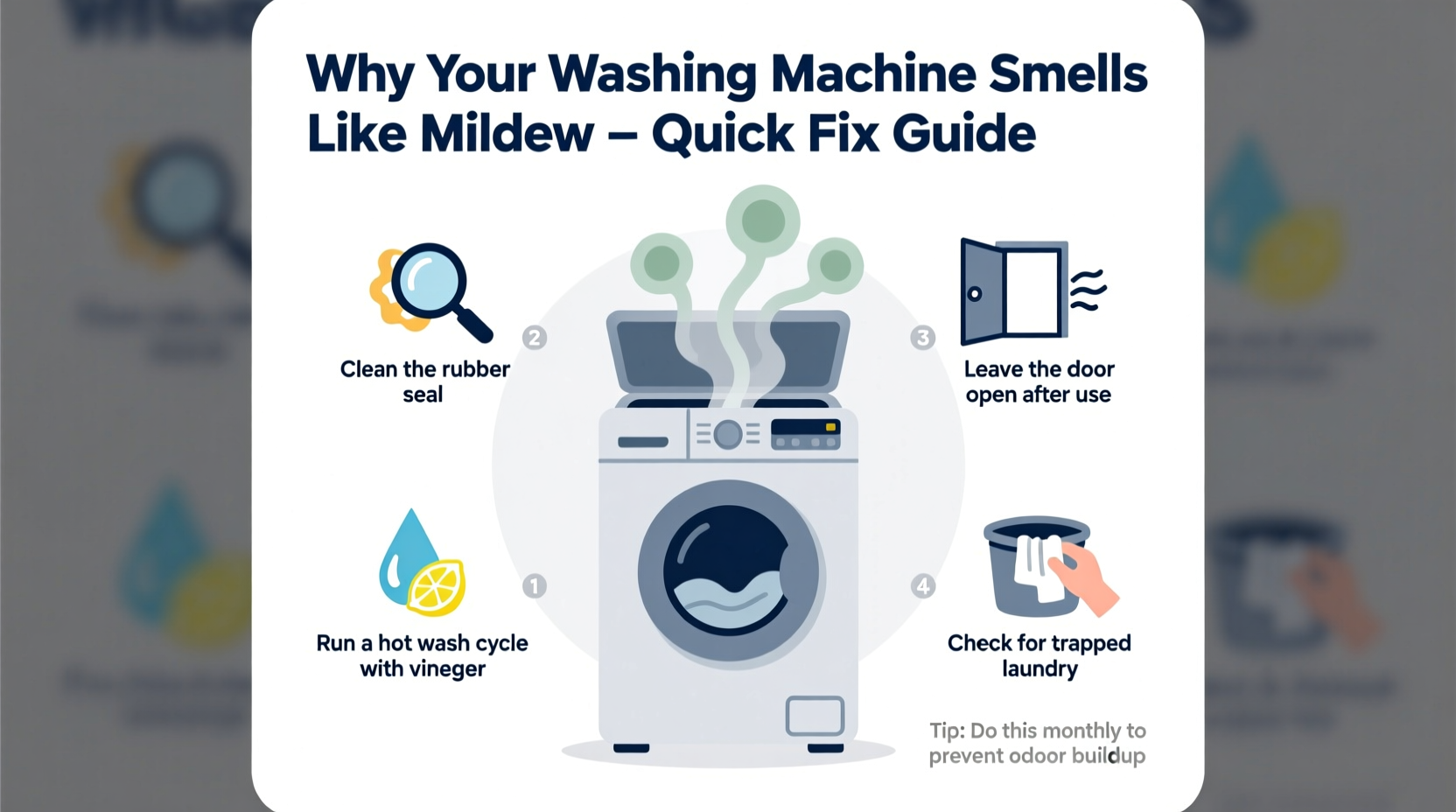
The source of the mildew odor isn't usually dirty clothes—it's the machine itself. Unlike older models that used large volumes of water and high spin speeds, modern washers use less water and lower temperatures to save energy. While eco-friendly, this creates conditions where moisture lingers, promoting microbial growth.
Key contributors include:
- Trapped moisture: Seals, gaskets, and hoses retain water after cycles, especially in front-load models.
- Biofilm buildup: A slimy layer of bacteria and fungi forms on internal surfaces, feeding on detergent and organic matter.
- Excess detergent or softener: These leave residues that trap moisture and attract microbes.
- Infrequent cleaning: Many users never clean their machines, allowing grime to accumulate over months or years.
- Poor ventilation: Closing the door immediately after use prevents air circulation and drying.
“Mildew odors in washing machines are almost always preventable with routine maintenance. The key is disrupting the moisture-microbe cycle before it becomes entrenched.” — Dr. Lena Patel, Home Appliance Hygiene Researcher, National Institute of Household Science
Step-by-Step Guide to Eliminate Mildew Smell Fast
When the smell hits, immediate action can stop it from worsening. Follow this 7-step process to deep-clean your washing machine and eliminate the odor at its source.
- Run a hot cleaning cycle: Set your washer to the hottest, longest cycle (usually “Clean Washer” or “Tub Clean”). Use either 4 cups of white vinegar or 1 cup of bleach—never mix them. Add the liquid directly to the drum, not the dispenser.
- Clean the door seal (front-loaders): Pull back the rubber gasket around the door. Wipe away visible mold or slime with a cloth soaked in vinegar or a bleach solution (1:10 bleach-to-water). Pay special attention to the bottom fold, where water collects.
- Remove and clean the detergent drawer: Slide out the compartment (usually by pressing a release tab). Soak it in warm vinegar water for 30 minutes, then scrub with an old toothbrush to remove residue.
- Clear the drain pump filter: Locate the access panel near the bottom front of the machine. Place towels underneath, open the filter cap slowly, and remove any lint, coins, or sludge. Rinse thoroughly and reinstall.
- Wipe down the drum: After the cleaning cycle, use a microfiber cloth dampened with vinegar to wipe the interior drum, especially under the agitator or impeller.
- Deodorize with baking soda: Run a second short cycle with 1 cup of baking soda added to the drum. This neutralizes lingering odors and helps lift remaining residue.
- Leave the door and dispenser open: After cleaning, keep the washer door and detergent tray open for at least 12 hours to ensure complete drying.
Monthly Maintenance Checklist to Prevent Future Odors
Prevention is simpler and faster than deep-cleaning. Incorporate these habits into your routine to avoid recurring mildew smells.
| Action | Frequency | Notes |
|---|---|---|
| Run hot cleaning cycle | Once per month | Use vinegar or bleach; alternate monthly for balanced sanitation |
| Wipe door seal and drum | Bi-weekly | Especially important for front-load models |
| Check and clean detergent drawer | Every 2 weeks | Prevents clogs and residue buildup |
| Inspect drain pump filter | Every 3 months | More often if you wash pet bedding or towels frequently |
| Leave door and dispenser open | After every use | Allows airflow and drying; reduces microbial growth |
| Use HE-compatible detergent | Always | Reduces suds and residue; follow recommended dosage |
Common Mistakes That Make the Problem Worse
Even well-meaning habits can inadvertently encourage mildew growth. Avoid these common errors:
- Using too much detergent: Excess suds don’t rinse away completely, leaving a film that traps moisture and dirt.
- Overloading the machine: Crowded loads reduce water flow and cleaning efficiency, leaving residues behind.
- Using fabric softener in every load: Liquid softeners coat the drum and pipes, creating a sticky surface for mold to cling to.
- Closing the door right after washing: Traps humidity inside, creating a perfect environment for mold.
- Ignoring small odors: A faint smell today can become a strong stench in weeks if unaddressed.
Real Example: How Sarah Fixed Her Smelly Washer in One Weekend
Sarah, a mother of two in Portland, noticed her whites were coming out with a sour smell despite using premium detergent. Her front-loading LG washer had developed a persistent mildew odor she couldn’t ignore. At first, she tried running extra rinse cycles and switching detergents, but the problem remained.
After reading about biofilm buildup, she decided to take action. On Saturday morning, she removed the detergent drawer and found a thick, gray slime coating the rails. She soaked the drawer in vinegar, wiped the seal (finding black specks of mold in the bottom crease), and cleaned the drain filter, pulling out a clump of lint mixed with water.
She ran a 90°C (194°F) cycle with 4 cups of white vinegar, followed by a baking soda cycle. By Sunday, the smell was gone. She now leaves the door ajar and runs a cleaning cycle every four weeks. “I wish I’d done this sooner,” she said. “My clothes feel cleaner, and I’m not embarrassed to let guests do their laundry.”
Do’s and Don’ts of Washing Machine Care
| Do’s | Don’ts |
|---|---|
| Use high-efficiency (HE) detergent in correct amounts | Use regular detergent or double-dose HE products |
| Leave the door and detergent tray open between uses | Shut the washer tightly after each cycle |
| Clean the door seal weekly with a vinegar-dampened cloth | Ignore visible mold or mildew spots |
| Run a maintenance cycle monthly | Wait until the smell is strong to clean the machine |
| Wash towels and heavily soiled items at higher temperatures when possible | Wash everything on cold without ever sanitizing the drum |
Frequently Asked Questions
Can I use bleach to clean my washing machine?
Yes, but only in machines approved for bleach use (check your manual). Use 1 cup of standard chlorine bleach in a hot cycle. Do not mix bleach with vinegar or ammonia—this creates toxic fumes. Avoid bleach in machines with stainless steel drums unless specified by the manufacturer, as it may cause pitting over time.
Is vinegar safe for all washing machines?
White distilled vinegar is generally safe for most machines and effective at dissolving mineral deposits and killing mold. However, some manufacturers caution against frequent use, as acidity may degrade rubber seals over many years. If concerned, use an OEM-approved cleaner once per year and vinegar the rest of the time.
Why does my washer smell even after cleaning?
If the odor persists, the issue may be deeper—such as a clogged drain hose, standing water in the pump, or mold in the outer tub inaccessible to normal cycles. In such cases, professional servicing or specialized enzymatic cleaners may be needed. Also, check if the smell comes from the laundry room environment (e.g., damp walls or floors) rather than the machine itself.
Conclusion: Take Control of Your Washer’s Freshness
A smelly washing machine doesn’t mean you need a replacement. More often, it’s a simple cry for maintenance. With consistent care, the mildew odor can be eliminated—and prevented—for good. The steps outlined here address both immediate fixes and long-term habits, empowering you to maintain a hygienic, efficient appliance.
Your washing machine works hard for you. Return the favor by giving it the occasional deep clean and daily ventilation it needs. Within a few days of proper care, your laundry will come out smelling like fresh air—not a swamp. Start today: run a cleaning cycle, wipe the seal, and leave the door open. Small actions now lead to lasting freshness later.




 浙公网安备
33010002000092号
浙公网安备
33010002000092号 浙B2-20120091-4
Comments
No comments yet. Why don't you start the discussion?