
If you’ve ever turned on your faucet and been greeted by a foul, unpleasant odor—whether it’s rotten eggs, bleach, or something musty—you’re not alone. Water that smells strange is more than just an annoyance; it can signal underlying issues with your plumbing, water source, or treatment system. While some odors are harmless, others may point to contamination or deteriorating infrastructure. Understanding the root cause is essential to restoring safe, clean-smelling water in your home.
Rotten Egg Smell: Sulfur Bacteria and Hydrogen Sulfide
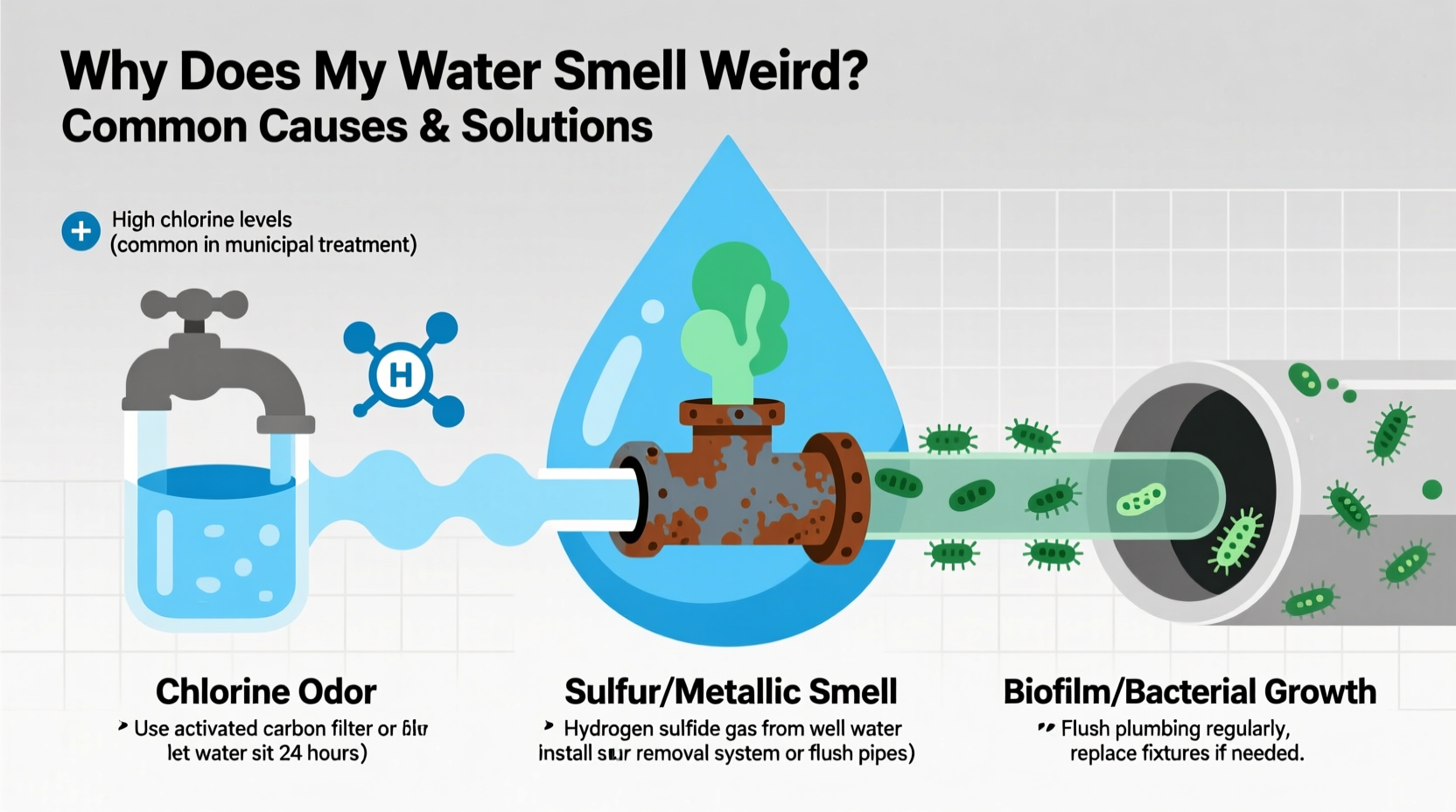
One of the most common complaints about smelly water is a strong \"rotten egg\" odor. This unmistakable stench typically comes from hydrogen sulfide gas (H₂S), a naturally occurring compound formed when sulfur-reducing bacteria break down organic matter in oxygen-poor environments like wells or water heaters.
Hydrogen sulfide is often present in groundwater, especially in private well systems. While low levels are generally not harmful, they can corrode pipes, stain fixtures, and make water unpalatable. At higher concentrations, H₂S becomes flammable and poses health risks with prolonged exposure.
Testing and Treating Sulfur Contamination
To confirm hydrogen sulfide presence, use a home test kit or send a sample to a certified lab. Once identified, treatment options include:
- Aeration systems: Inject air into the water to convert H₂S into solid sulfur, which filters out.
- Chlorination: Shock chlorinate wells or install continuous feed systems to kill bacteria.
- Activated carbon filtration: Effective for low concentrations, but requires frequent replacement as it saturates quickly.
- Oxidizing filters: Use media like manganese greensand to chemically remove sulfur compounds.
“Persistent sulfur odors in well water often stem from biofilm buildup in storage tanks or plumbing. Regular maintenance is key.” — Dr. Lena Torres, Environmental Health Scientist
Chlorine or Bleach-Like Odor
Municipal water supplies commonly use chlorine or chloramine to disinfect water and prevent microbial growth. While effective, these chemicals can leave behind a sharp, pool-like smell that many find off-putting. The odor usually intensifies after recent utility work or seasonal changes in treatment protocols.
Though chlorine at regulated levels is safe, excessive exposure may irritate skin and respiratory systems, particularly in sensitive individuals. It can also react with organic matter to form disinfection byproducts (DBPs) such as trihalomethanes, which long-term studies suggest may pose health concerns.
Solutions for Chlorine Odor
Reducing chlorine taste and smell doesn’t mean sacrificing safety. Consider these approaches:
- Install a granular activated carbon (GAC) filter: These are highly effective at adsorbing chlorine and chloramines. Whole-house systems treat all incoming water, while under-sink units focus on drinking water.
- Let water sit: Fill a pitcher and refrigerate it uncovered for 1–2 hours. Chlorine will naturally off-gas, though this method doesn’t work for chloramine.
- Add vitamin C: A small amount of food-grade ascorbic acid neutralizes both chlorine and chloramine instantly—useful for aquariums or sensitive applications.
Musty, Moldy, or Earthy Smells
A damp basement, wet cardboard, or muddy aroma often points to biological growth in your plumbing system. Algae, mold, or bacteria can colonize inside stagnant pipes, water tanks, or even refrigerator dispensers. These organisms produce volatile organic compounds like geosmin and 2-methylisoborneol (MIB), known for their earthy scent detectable at extremely low concentrations.
This issue frequently arises after long absences from a property, in rarely used guest bathrooms, or in homes with poor ventilation around plumbing fixtures.
Step-by-Step Guide to Eliminating Biological Odors
- Run all faucets for 5–10 minutes to flush stagnant water.
- Clean aerators and showerheads where debris accumulates.
- Disinfect the affected plumbing section using a bleach solution (1 gallon of water with 1 cup of household bleach).
- Pour the solution down drains and let sit for 20 minutes before flushing thoroughly.
- Replace old rubber gaskets or hoses that trap moisture.
- Maintain regular usage of all plumbing fixtures to prevent stagnation.
Metallic or Fishy Taste and Smell
Water with a metallic tang—like iron, copper, or zinc—often results from pipe corrosion. As water sits in aging plumbing, especially in older homes with galvanized steel or copper lines, trace metals leach into the supply. A fishy or medicinal odor, meanwhile, may indicate excess barium or cadmium, sometimes linked to industrial runoff or failing water softeners.
While small amounts of iron or copper aren't immediately dangerous, long-term ingestion can contribute to liver or kidney issues. Children and pregnant women are particularly vulnerable.
| Odor Type | Most Likely Cause | Recommended Action |
|---|---|---|
| Rotten egg | Hydrogen sulfide / sulfate-reducing bacteria | Shock chlorinate well or install oxidizing filter |
| Bleach/chlorine | Municipal disinfection | Install activated carbon filter |
| Moldy/earthy | Algae or bacterial growth | Flush and sanitize plumbing |
| Metallic | Corroded pipes (iron, copper) | Test water, replace piping if necessary |
| Fishy | Barium, cadmium, or old water softener resin | Test for heavy metals; replace softener media |
Mini Case Study: Solving a Persistent Well Water Problem
The Peterson family in rural Pennsylvania had dealt with smelly water for years. Their well produced water with a strong sulfur odor and occasional cloudiness. Initially, they tried replacing the water heater and installing a basic carbon filter, but the smell returned within weeks.
After consulting a local water specialist, they discovered high levels of sulfate-reducing bacteria and moderate iron content. The expert recommended a two-stage solution: first, shock chlorination of the entire well and pressure tank, followed by installation of a backwashing iron and sulfur filter with air injection.
Within days, the water ran clear and odor-free. The family now performs annual maintenance and periodic testing, ensuring consistent quality. Their experience highlights the importance of accurate diagnosis before investing in treatment systems.
Prevention Checklist: Keep Your Water Fresh
Regular maintenance prevents most odor problems before they start. Follow this checklist to stay ahead:
- ✅ Test well water annually for bacteria, nitrates, pH, and common contaminants.
- ✅ Flush your water heater every 6–12 months to remove sediment and bacteria.
- ✅ Replace filter cartridges on time—don’t exceed manufacturer recommendations.
- ✅ Run unused taps weekly to prevent stagnation.
- ✅ Inspect and clean refrigerator water lines and ice makers quarterly.
- ✅ Monitor changes in taste, color, or odor and act promptly.
FAQ: Common Questions About Smelly Water
Is smelly water dangerous to drink?
Not always. Rotten egg smell from low-level hydrogen sulfide is mostly a nuisance, though high concentrations should be treated. Metallic or chemical odors, however, may indicate harmful contaminants like lead or pesticides. When in doubt, get your water tested.
Why does only my hot water smell bad?
This usually means the odor originates in the water heater. Magnesium anode rods react with sulfate in water to produce hydrogen sulfide. Replacing the rod with an aluminum-zinc version or removing it (if allowed) can resolve the issue.
Can I fix smelly water without a whole-house system?
Yes, point-of-use filters (like under-sink reverse osmosis or countertop carbon units) can improve drinking and cooking water. However, they won’t address odors from showers or laundry. For comprehensive results, consider whole-home filtration.
Take Control of Your Home’s Water Quality
Your water shouldn’t smell like a swamp, a swimming pool, or a hardware store. Strange odors are warning signs worth investigating—not just for comfort, but for long-term health and plumbing integrity. Whether you're on city water or a private well, understanding the source of the smell empowers you to choose the right solution.
Start with observation: Is the smell constant or intermittent? Only in hot water? Limited to one faucet? Then take action—flush, test, filter, or consult a professional. Clean, fresh-smelling water isn’t a luxury; it’s a baseline expectation for any household.




 浙公网安备
33010002000092号
浙公网安备
33010002000092号 浙B2-20120091-4
Comments
No comments yet. Why don't you start the discussion?