
Hot yoga, with its elevated temperatures and intense physical demands, brings unique challenges — chief among them: a slipping yoga mat. Even the most experienced practitioners can lose balance mid-pose when their hands slide unexpectedly. The frustration isn’t just about discomfort; it’s a safety concern. Understanding why this happens and knowing how to restore traction safely is essential for anyone practicing in heated environments.
The root causes of slippage are often misunderstood. Many assume that buying an expensive or \"non-slip\" mat eliminates the issue entirely. But even high-end mats degrade over time and react poorly under heat, sweat, and improper care. The good news? Most grip problems are preventable — and reversible — with the right knowledge and maintenance routine.
The Science Behind Mat Slip: Heat, Sweat, and Material Fatigue
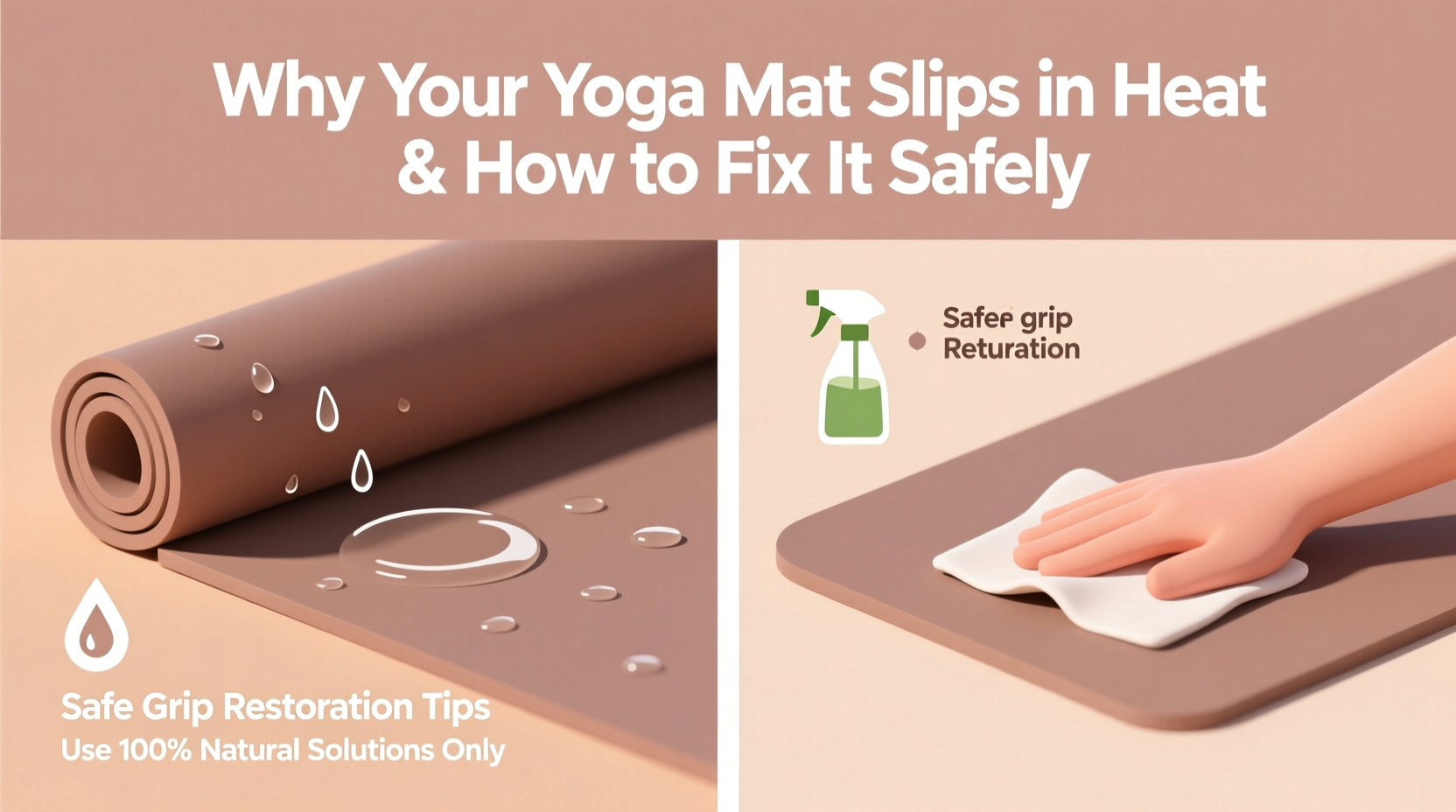
Yoga mats are typically made from materials like PVC, TPE, rubber, or natural tree rubber, each responding differently to heat and moisture. When room temperature rises above 90°F (32°C), as in Bikram or hot Vinyasa classes, these materials undergo subtle changes at the molecular level. PVC, for example, softens and becomes tackier initially but loses long-term structural integrity over repeated exposure. This softening can reduce friction, especially when combined with perspiration.
Sweat is another major contributor. It’s not just water — it contains salts, oils, and trace minerals that accumulate on the mat’s surface. Over time, this residue forms a slick film that diminishes grip. A study conducted by the Journal of Sports Engineering and Technology found that salt concentration in sweat can reduce surface friction by up to 40% on certain synthetic surfaces commonly used in yoga mats.
Additionally, frequent use leads to micro-abrasions and wear patterns. These tiny imperfections trap moisture and bacteria, further compromising texture and traction. The combination of heat-induced softening, sweat buildup, and physical degradation creates a perfect storm for slippage.
“Even premium mats lose grip if they aren't cleaned regularly and exposed to extreme conditions. Heat accelerates material fatigue.” — Dr. Lena Torres, Materials Scientist & Yoga Enthusiast
Common Mistakes That Worsen Mat Slippage
Many well-intentioned yogis unknowingly make things worse by using improper cleaning methods or storage techniques. Here are some of the most common errors:
- Using household cleaners: Products containing alcohol, bleach, or ammonia strip away the mat’s textured surface and break down polymers.
- Washing in a machine: While convenient, machine washing can warp the mat, cause delamination, or create uneven textures that promote slipping.
- Leaving the mat rolled up while damp: Trapped moisture breeds mildew and degrades adhesives between layers, leading to bubbling and loss of grip.
- Overusing sprays: Some commercial mat sprays leave behind residues that attract dust and become slippery over time.
- Neglecting seasonal adjustments: Humidity and temperature fluctuations affect mat performance. A mat that works perfectly in winter may fail in summer humidity.
How to Restore Grip Safely: A Step-by-Step Guide
Restoring your mat’s grip doesn’t require harsh chemicals or expensive products. With patience and proper technique, you can revive traction without damaging the material.
- Unroll and inspect: Lay the mat flat on a clean surface. Check for visible dirt, discoloration, or texture changes. Pay special attention to high-contact areas like hands and feet.
- Dry brush first: Use a soft-bristled brush (like a nail or produce brush) to gently scrub the surface in circular motions. This removes loose debris and breaks up dried sweat crystals.
- Prepare a natural cleaning solution: Mix one part white vinegar with three parts water. Add a few drops of tea tree oil for antimicrobial properties. Avoid lemon juice — its acidity can degrade rubber over time.
- Apply and scrub: Dip a non-abrasive cloth into the solution and wring it out thoroughly. Wipe the entire surface, focusing on slippery zones. For stubborn buildup, use gentle back-and-forth strokes.
- Rinse carefully: Dampen a second clean cloth with plain water and wipe off all cleaning solution. Residue left behind can attract more grime.
- Air-dry completely: Hang the mat over a railing or lay it flat in indirect sunlight. Never use a dryer or heater. Allow at least 6–8 hours for full drying.
- Test and repeat if needed: After drying, test the grip with a downward dog. If still slippery, repeat the process once more — deep-set residue may require two rounds.
This method works best for PVC, TPE, and closed-cell rubber mats. Natural rubber mats should be treated more cautiously — avoid vinegar altogether and use only water with a drop of mild dish soap.
Material-Specific Care: Do’s and Don’ts
Not all mats respond the same way to cleaning and heat. Using the wrong method can permanently damage your mat. Refer to the table below for guidance based on your mat type.
| Mat Material | Safe Cleaning Methods | Avoid | Grip Restoration Tip |
|---|---|---|---|
| PVC | Vinegar-water mix, microfiber wipe | Alcohol wipes, direct sun drying | Light sanding with fine-grit paper (once yearly) |
| TPE | Water + mild soap, air dry | Machines, abrasive brushes | Use mat-specific grip spray sparingly |
| Synthetic Rubber | Damp cloth, baking soda paste | Bleach, prolonged soaking | Deep clean monthly to prevent compaction |
| Natural Rubber | Water only or pH-neutral cleaner | Vinegar, citrus cleaners, UV exposure | Rotate mat weekly to distribute wear |
| Cork | Water mist, light wiping | Soaking, chemical sprays | Rehydrate with cork conditioner every 3 months |
Understanding your mat’s composition is key. Always check manufacturer guidelines before attempting any restoration process.
Real Example: How Sarah Regained Confidence in Hot Yoga
Sarah, a dedicated Ashtanga practitioner in Miami, began experiencing frequent slips during her 90-minute hot classes. Despite investing in a top-tier “eco-grip” mat, she found herself adjusting her hands constantly in Warrior II and losing balance in Half Moon.
She initially blamed the studio’s flooring, but after speaking with a fellow student, she realized her mat had never been deeply cleaned. Following a simple vinegar-and-water treatment and changing her post-class wiping habit, she noticed immediate improvement. Within a week, her confidence returned. “I didn’t realize how much sweat was building up,” she said. “Now I wipe it down after every class, and the grip feels like new.”
Her experience underscores a common oversight: regular maintenance trumps product claims. Even the most advertised “non-slip” mats require care to perform optimally under stress.
When to Consider a Replacement Mat
No amount of cleaning can reverse irreversible damage. Signs that your mat may need replacing include:
- Visible cracks or flaking on the surface
- Permanent indentations from fingers or toes
- Strong odor that persists after cleaning
- Peeling layers or bubbling in multi-layer mats
- Consistent slipping despite thorough restoration attempts
If your mat is over two years old and used weekly in hot conditions, consider rotating in a backup or upgrading to a model designed specifically for hot yoga. Look for open-cell structures, antimicrobial coatings, and dual-texture surfaces (smooth on one side, grippy on the other).
Frequently Asked Questions
Can I use baby wipes to clean my yoga mat?
No. Most baby wipes contain alcohol, fragrances, and preservatives that degrade mat materials over time. They may offer temporary cleanliness but contribute to long-term slippage. Use a damp cloth with water or a mat-safe cleaner instead.
Will freezing my mat help restore grip?
No, and it could be harmful. Freezing causes materials like PVC and rubber to contract and become brittle, increasing the risk of cracking. Temperature shocks also accelerate delamination. Stick to room-temperature cleaning and drying.
How often should I deep-clean my mat if I practice hot yoga weekly?
For weekly hot yoga sessions, deep clean your mat every 3–4 weeks. Between deep cleans, wipe it down with a damp cloth after each use and allow it to air dry fully before rolling. More frequent cleaning may be needed in high-humidity climates.
Final Checklist: Maintain Grip and Extend Lifespan
To keep your yoga mat performing at its best, follow this actionable checklist:
- Wipe down your mat with a dry towel immediately after each hot session.
- Deep clean every 3–4 weeks using a natural, non-abrasive solution.
- Air-dry flat or hung — never folded or rolled while damp.
- Store in a cool, dry place away from direct sunlight.
- Use a microfiber towel during sweaty practices for added traction.
- Inspect monthly for signs of wear, odor, or texture loss.
- Replace every 12–18 months with regular hot yoga use.
“The best yoga mat is not the most expensive one — it’s the one you maintain consistently.” — Rafael Mendez, Yoga Studio Owner & Educator
Conclusion: Take Control of Your Practice Environment
Your yoga mat is more than just equipment — it’s the foundation of your practice. Slipping during a heated session disrupts focus, undermines alignment, and increases injury risk. But slippage isn’t inevitable. By understanding the interplay of heat, sweat, and material science, and applying safe, consistent care, you can restore and preserve grip effectively.
Start today: unroll your mat, assess its condition, and give it the cleaning it deserves. Small habits — like wiping after class and storing it properly — compound into lasting performance. Whether you're flowing through a dynamic sequence or holding a meditative pose, a secure connection to your mat means a deeper connection to your practice.




 浙公网安备
33010002000092号
浙公网安备
33010002000092号 浙B2-20120091-4
Comments
No comments yet. Why don't you start the discussion?