
When you see runway models gliding down the catwalk with seemingly effortless grace and razor-sharp physiques, it’s natural to assume they spend hours in the gym every day. But a growing number of discussions on Reddit suggest otherwise. Many models—especially in high fashion—don’t follow conventional workout routines. In fact, some admit they rarely lift weights or hit the treadmill at all. So why don’t models workout? The answer isn’t as simple as laziness or lack of discipline. It’s deeply tied to industry standards, body type expectations, and the unique demands of modeling careers.
This article dives into real Reddit threads, insider perspectives, and expert opinions to uncover the truth behind why many models avoid traditional exercise—and what they do instead to maintain their appearance.
The Aesthetic Paradox: Thinness Over Muscle
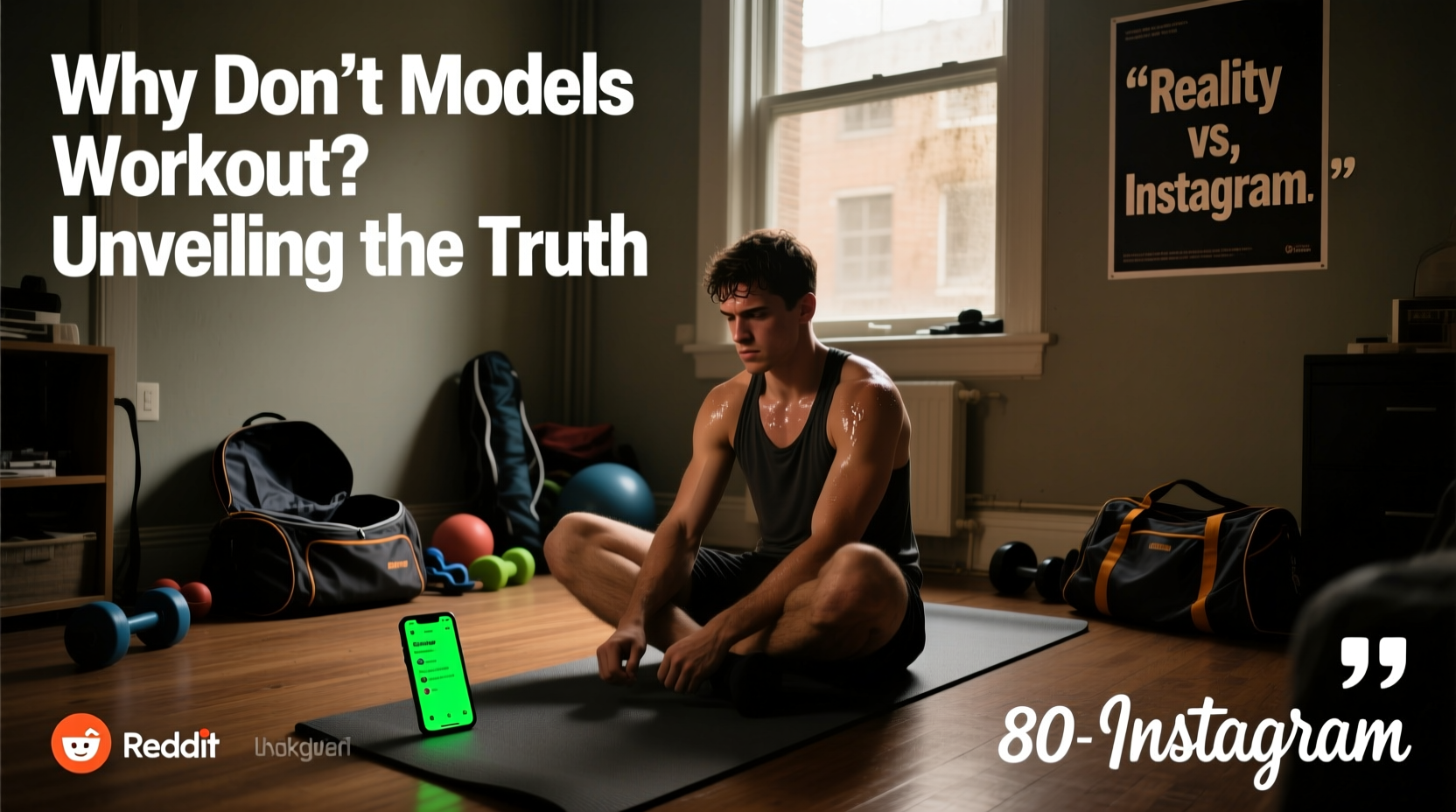
In the world of high fashion, the ideal physique often leans toward slim, elongated, and almost ethereal—think waif-like frames with minimal muscle definition. This standard clashes directly with the results of regular strength training or intense cardio. Weightlifting builds muscle mass, which many designers and agencies actively discourage.
As one former model shared on r/modeling:
“I was told by my agency not to do any weight training because I’d ‘get too bulky.’ I walked everywhere, did light stretching, but nothing that would build visible muscle.”
This preference for low body fat and lean limbs means that even if a model is physically active, they often avoid exercises that promote hypertrophy. Cardio may be acceptable, but only in moderation—excessive running can lead to overdeveloped calves, which some designers consider “unfeminine” or “too strong” for certain looks.
Reddit Insights: What Models Actually Do
A deep dive into popular Reddit communities such as r/modeling, r/femalefashionadvice, and r/askmodels reveals recurring themes about fitness—or the lack thereof. Here are some key takeaways:
- Walking is king. Many models report walking 10–15 miles a day during fashion weeks, which naturally keeps them lean without adding muscle.
- Diet controls shape more than exercise. Several users emphasized strict dietary regimens over gym sessions to maintain low body fat.
- Agencies dictate fitness habits. Some models said their agencies explicitly advised against joining gyms or posting workout photos online to preserve a “natural,” untrained look.
- “Looking toned” vs. being strong. There’s a distinction between appearing fit and actually being physically strong. Many models prioritize appearance over functional fitness.
One user from Milan, who worked with several luxury brands, wrote:
“They don’t want athletes. They want bodies that move like poetry. If you look like you’ve been lifting, you’re out. Yoga once a week, walk everywhere, eat clean—that’s the formula.”
Industry Pressures and Body Image Standards
The fashion industry has long faced criticism for promoting unrealistic body types. While progress is being made toward inclusivity, many top-tier runway and editorial agencies still favor very specific silhouettes—often underweight by medical standards.
This creates a paradox: models must appear healthy and vibrant on camera, yet remain extremely thin. Traditional workouts can disrupt this balance by increasing appetite, building muscle, or altering proportions. As a result, many rely on non-exercise methods to control their physique.
| Method | Purpose | Risks |
|---|---|---|
| Controlled Dieting | Maintain low body fat | Nutrient deficiency, fatigue |
| Excessive Walking | Burn calories subtly | Joint strain, overtraining |
| Yoga / Stretching | Improve posture and flexibility | Limited impact on body composition |
| Fasting or Cleanses | Rapid weight loss before shoots | Metabolic slowdown, dehydration |
These practices aren’t always sustainable—or safe. Yet, in an industry where bookings depend on fitting sample sizes, many feel they have little choice.
Expert Insight: The Health Cost of Looking \"Perfect\"
Dr. Lena Torres, a clinical psychologist specializing in eating disorders among performers, explains:
“The expectation for models to stay thin without looking ‘worked on’ creates a dangerous disconnect. They’re penalized for being muscular, but also criticized if they appear unhealthy. This leads to disordered behaviors masked as ‘lifestyle choices.’”
She notes that many models develop orthorexic tendencies—obsessive focus on “clean” eating—without realizing the psychological toll. The avoidance of gyms isn’t just about aesthetics; it’s often a way to sidestep triggers or maintain rigid control over calorie output.
Do Any Models Actually Workout?
Yes—but it depends heavily on the niche. The idea that *no* models work out is a myth. However, the type, frequency, and purpose of exercise vary dramatically across sectors:
- Runway Models: Rarely engage in structured workouts. Rely on walking, genetics, and diet.
- Commercial & Fitness Models: Train rigorously. Their marketability depends on visible muscle tone and physical fitness.
- Plus-Size Models: Often more open to strength training, as their agencies celebrate curves and health-focused branding.
- Instagram & Influencer Models: Frequently post gym content to align with fitness trends and monetize through supplements or apparel.
The divergence highlights a fundamental truth: modeling isn’t one industry, but many. What works for a Victoria’s Secret campaign won’t fly on a Comme des Garçons runway.
Mini Case Study: From Gym Enthusiast to Runway Star
Sophie, a 24-year-old model based in Paris, had been a dedicated CrossFit athlete before signing with a major agency. Within months, her agent asked her to stop lifting weights.
“I lost bookings because my shoulders were too broad,” she explained on Reddit. “I switched to daily 10K walks and stopped eating carbs after 4 p.m. My abs stayed visible, but I wasn’t ‘bulky’ anymore. Got hired for three shows at Paris Fashion Week after that.”
Her story reflects a harsh reality: success sometimes requires sacrificing personal health goals for professional viability.
Actionable Checklist: What You Can Learn (Safely)
If you're inspired by model physiques but want to stay healthy, here’s how to adapt their habits responsibly:
- ✅ Prioritize natural movement—walking, stair climbing, standing more.
- ✅ Focus on posture and alignment through yoga or Pilates.
- ✅ Avoid extreme dieting; aim for balanced nutrition with whole foods.
- ✅ If you lift weights, do so with moderate intensity and higher reps for lean tone, not bulk.
- ✅ Listen to your body—energy levels, mood, and recovery matter more than scale weight.
Frequently Asked Questions
Do models ever go to the gym?
Some do, especially those in commercial, swimwear, or fitness modeling. However, high-fashion models often avoid gyms to prevent muscle gain that could interfere with fitting sample sizes.
How do models stay so thin without working out?
Many combine genetic predisposition with high daily movement (like walking), strict portion control, and sometimes unhealthy practices like fasting or purging. It’s important to note that not all thinness is achieved safely.
Is it bad for models to avoid exercise?
From a health perspective, yes. Lack of strength training can lead to poor bone density, weak core stability, and increased injury risk. While they may look fit, many models are functionally weaker than the average person.
Conclusion: Rethinking the Model Physique
The truth uncovered by Reddit and industry insiders is clear: many models don’t workout—not because they’re lazy, but because the fashion world rewards a specific aesthetic that often conflicts with traditional fitness. Their routines prioritize appearance over performance, leanness over strength, and compliance over well-being.
This doesn’t mean these habits should be emulated. Instead, they should be understood as products of a demanding, often flawed system. You can appreciate the elegance of a model’s stride without sacrificing your health to mimic it.




 浙公网安备
33010002000092号
浙公网安备
33010002000092号 浙B2-20120091-4
Comments
No comments yet. Why don't you start the discussion?