
Ecology has long been grounded in fieldwork—researchers trekking through forests, sampling soil, tracking animal migrations on foot or by drone. But as environmental challenges grow in scale and complexity, a new frontier is proving essential: outer space. From monitoring deforestation to predicting climate-driven species shifts, the integration of satellite technology and remote sensing is no longer optional—it’s foundational. Understanding ecological space requires more than terrestrial observations; it demands a planetary perspective only possible from orbit.
The Expanding Scope of Ecological Research
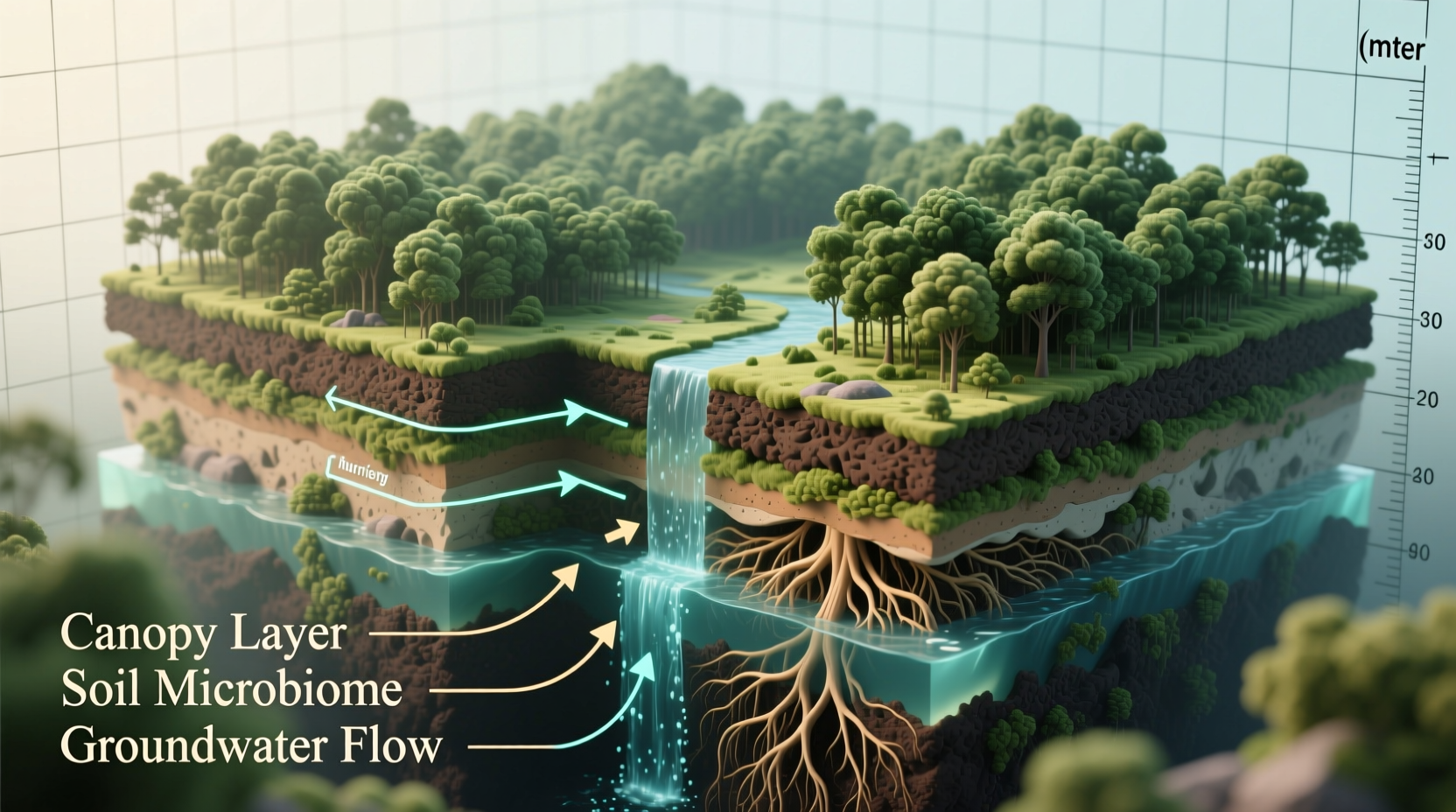
Traditional ecological studies focus on localized interactions: predator-prey dynamics, nutrient cycling in wetlands, or plant succession after disturbance. While these remain vital, today’s pressing issues—climate change, biodiversity loss, land degradation—unfold across continents and decades. No network of field stations can capture that scope alone. Satellites, however, provide continuous, synoptic views of Earth’s biosphere, enabling scientists to detect patterns invisible at ground level.
For example, NASA’s Landsat program has delivered consistent imagery of Earth’s surface since 1972. This decades-long dataset allows ecologists to track glacier retreat, urban sprawl, and forest cover changes with precision. Without such longitudinal space-based records, modeling ecosystem responses to global change would be guesswork.
Satellite Technology in Ecosystem Monitoring
Modern satellites offer more than just photographs. They carry sensors capable of measuring vegetation health (via NDVI), sea surface temperatures, atmospheric CO₂ levels, and even nocturnal light pollution. These data streams feed into ecological models that predict drought impacts, coral bleaching events, and wildfire risks.
One transformative application is the use of LiDAR (Light Detection and Ranging) from space. The Global Ecosystem Dynamics Investigation (GEDI), mounted on the International Space Station, maps forest structure in 3D. This allows researchers to estimate biomass and carbon storage with unprecedented detail—critical for climate mitigation strategies under initiatives like REDD+ (Reducing Emissions from Deforestation and Forest Degradation).
| Parameter | Measurement Tool | Ecological Application |
|---|---|---|
| Vegetation Health | MODIS, Sentinel-2 | Drought monitoring, crop yield prediction |
| Forest Canopy Height | GEDI, ICESat-2 | Carbon stock estimation, habitat mapping |
| Land Cover Change | Landsat, Sentinel-1 | Deforestation tracking, urban expansion analysis |
| Ocean Chlorophyll Levels | SeaWiFS, OLCI | Marine productivity, algal bloom detection |
Real-Time Response and Conservation Planning
In 2019, when wildfires raged across the Amazon, real-time satellite alerts from the Brazilian INPE (National Institute for Space Research) revealed a 84% increase in fires compared to the previous year. Though political backlash followed, the data itself was irrefutable—and instrumental in mobilizing international attention.
This case illustrates how space-based monitoring enables rapid response. Platforms like GLAD (Global Land Analysis & Discovery) issue deforestation alerts within days of tree cover loss, empowering NGOs and governments to act before irreversible damage occurs. In Gabon, such systems support anti-poaching patrols by identifying suspicious road construction in protected areas.
“Satellite data doesn’t replace boots on the ground—it tells us where to put them.” — Dr. Jane Goodall, Primatologist and Conservationist
Integrating Space Data into Ecological Forecasting
Ecologists increasingly rely on predictive models to anticipate species range shifts, disease outbreaks, and ecosystem tipping points. These models require vast inputs: temperature gradients, precipitation trends, land use history. Space agencies now provide open-access data portals—such as NASA’s Earthdata and the European Space Agency’s Copernicus program—that deliver petabytes of standardized, time-stamped observations.
Machine learning algorithms trained on this data can forecast phenomena like locust swarms in East Africa by correlating vegetation greenness with weather patterns. Similarly, AI-driven analysis of penguin guano from satellite images helps estimate population sizes in inaccessible Antarctic regions.
Step-by-Step: How Ecologists Use Satellite Data
- Define research question (e.g., “How has mangrove cover changed in Southeast Asia since 2000?”)
- Select appropriate satellite datasets (e.g., Landsat for optical imagery, Sentinel-1 for radar in cloudy regions)
- Process and analyze imagery using GIS software like QGIS or Google Earth Engine
- Validate findings with field data to ensure accuracy
- Apply results to policy recommendations, conservation planning, or scientific publication
Challenges and Limitations
Despite its advantages, space-based ecology faces hurdles. Cloud cover can obstruct optical sensors, particularly in tropical regions. High-resolution data may be restricted or costly. Temporal resolution—the frequency of satellite revisits—can miss short-term events. Moreover, interpreting spectral signatures requires expertise; a red patch on a false-color image might indicate algae, sediment, or sensor error.
There’s also a knowledge gap. Many ecology programs still emphasize field biology over geospatial analytics. Bridging this divide requires interdisciplinary training and institutional investment in remote sensing infrastructure.
Mini Case Study: Reviving the Aral Sea
The Aral Sea, once one of the world’s largest lakes, shrank by over 90% due to Soviet-era irrigation projects. Ground surveys documented the collapse, but it was satellite imagery that revealed the full extent and timeline. Decades of Landsat images showed not just water loss, but the emergence of a toxic salt desert contributing to respiratory diseases.
Today, space data guides restoration. The North Aral Sea has partially recovered thanks to the Kok-Aral Dam. MODIS sensors monitor water salinity and surface area, while local authorities use this information to adjust flow management. Without orbital oversight, such targeted intervention would lack feedback and accountability.
Frequently Asked Questions
Can satellites really detect individual species?
Not directly, but they can identify habitats with high precision. For example, hyperspectral imaging can distinguish between plant species based on reflectance signatures. Combined with AI, this allows indirect detection of species dependent on specific vegetation, such as koalas in eucalyptus forests.
Is satellite data accessible to independent researchers?
Yes. Most major space agencies offer free data access. NASA’s Earth Observing System Data and Information System (EOSDIS) and ESA’s Sentinel Hub provide user-friendly platforms. Tools like Google Earth Engine democratize analysis with cloud computing power.
How accurate are space-based ecological measurements?
Accuracy varies by sensor and parameter. Vegetation indices like NDVI correlate strongly with ground-measured biomass (R² > 0.8 in many studies). However, validation with field data remains essential to correct biases and improve models.
Checklist: Getting Started with Space-Based Ecology
- Identify your ecological question and spatial scale
- Explore available satellite datasets (Landsat, Sentinel, MODIS)
- Learn basic GIS and remote sensing principles
- Use free platforms like Google Earth Engine or QGIS
- Collaborate with remote sensing specialists
- Validate satellite findings with ground truthing
- Apply insights to conservation, policy, or further research
“The view from space reminds us that ecosystems don’t respect borders, politics, or disciplines. To protect them, neither should we.” — Dr. Katherine Calvin, Chief Scientist, NASA Earth Observatory
Conclusion
Ecology is no longer confined to the field. To understand the dynamics of a changing planet, scientists must look up—not just to study stars, but to observe Earth as a living system. Space-based observation provides the continuity, coverage, and consistency needed to tackle environmental crises at their true scale. From tracking melting ice sheets to guiding reforestation efforts, the marriage of ecology and orbital science is reshaping conservation.




 浙公网安备
33010002000092号
浙公网安备
33010002000092号 浙B2-20120091-4
Comments
No comments yet. Why don't you start the discussion?