
The gallbladder is a small, pear-shaped organ located beneath the liver that stores bile—a digestive fluid produced by the liver. While not essential for survival, it plays a role in fat digestion. However, when complications arise, surgical removal—known as cholecystectomy—may become necessary. Millions of people undergo this procedure each year, often with excellent outcomes. Understanding why the gallbladder might need to be removed and what to expect can help reduce anxiety and improve recovery.
Common Reasons for Gallbladder Removal
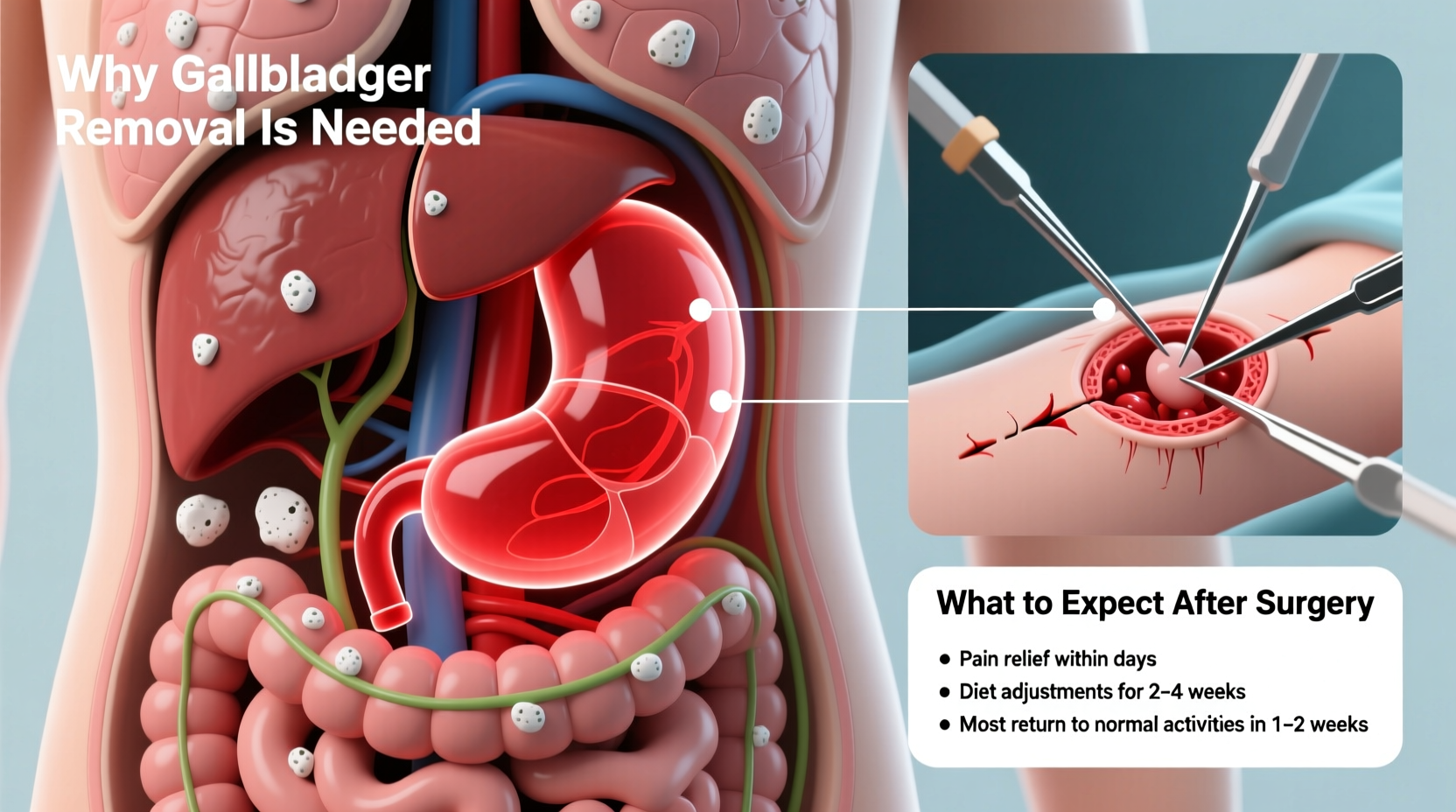
Gallbladder removal is typically recommended when the organ causes recurring pain or leads to serious health complications. The most frequent conditions prompting surgery include:
- Gallstones (Cholelithiasis): Hardened deposits of digestive fluid that form in the gallbladder. They can block bile ducts, leading to inflammation, infection, or pancreatitis.
- Cholecystitis: Inflammation of the gallbladder, usually due to gallstones blocking the cystic duct. Acute cases require prompt treatment, sometimes including emergency surgery.
- Biliary colic: Episodes of severe abdominal pain caused by temporary blockage of the bile duct by a stone.
- Pancreatitis: Inflammation of the pancreas, often triggered when a gallstone migrates and blocks the pancreatic duct.
- Acalculous gallbladder disease: A condition where symptoms mimic gallbladder disease but without visible stones, often seen in critically ill patients.
- Gallbladder polyps or cancer: Though rare, large polyps (>1 cm) or suspicious growths may warrant removal to prevent malignancy.
“Recurrent biliary pain significantly impacts quality of life. When conservative management fails, cholecystectomy offers definitive relief.” — Dr. Alan Reyes, Gastrointestinal Surgeon
Types of Gallbladder Surgery
There are two primary methods for removing the gallbladder, each with its own advantages and considerations:
| Procedure | How It's Done | Recovery Time | Best For |
|---|---|---|---|
| Laparoscopic Cholecystectomy | Four small incisions; camera and tools inserted to remove gallbladder | 1–2 weeks | Most patients with uncomplicated gallbladder disease |
| Open Cholecystectomy | Single large incision under the ribcage | 4–6 weeks | Severe inflammation, scarring, or complications |
Laparoscopic surgery is the gold standard, accounting for over 90% of procedures. It offers less pain, shorter hospital stays, and faster return to daily activities. Open surgery is reserved for complex cases where visibility or safety is compromised.
What to Expect Before Surgery
Preparation begins well before the operation. Your surgeon will likely order blood tests, imaging (such as an ultrasound or HIDA scan), and a review of your medical history. You’ll receive specific instructions about fasting—typically no food or drink after midnight the night before surgery.
It’s important to disclose all medications, especially blood thinners, diabetes drugs, or supplements, as some may need to be paused. Smokers are encouraged to quit ahead of time to support healing and reduce respiratory risks.
Step-by-Step Timeline: From Diagnosis to Surgery
- Week 1: Initial evaluation, symptom assessment, and diagnostic imaging.
- Week 2: Consultation with surgeon, discussion of options, and pre-op testing.
- Day Before Surgery: Final prep—fasting, hygiene instructions, and arranging post-op care.
- Surgery Day: Arrival at facility, anesthesia administration, procedure (usually 60–90 minutes).
- Post-Op: Monitoring in recovery, discharge (same day for laparoscopic), or brief hospital stay.
Recovery and Life After Gallbladder Removal
Most patients go home the same day after laparoscopic surgery. Mild discomfort at the incision sites and in the abdomen is normal. Some report shoulder pain due to residual carbon dioxide gas used during the procedure—this resolves within a few days.
Dietary adjustments are often needed temporarily. Start with clear liquids and bland foods (broth, toast, rice), then gradually reintroduce fats. About 10–20% of patients experience ongoing digestive changes such as loose stools or bloating, particularly after fatty meals. These symptoms usually improve over time.
Mini Case Study: Recovery in Real Life
Maria, a 45-year-old teacher, experienced recurrent episodes of sharp upper-right abdominal pain after meals, especially those high in fat. An ultrasound revealed multiple gallstones and signs of chronic cholecystitis. After consulting her surgeon, she opted for laparoscopic cholecystectomy. She took three days off work, managed mild pain with acetaminophen, and followed a low-fat diet for two weeks. Within a month, she resumed normal activities and reported feeling better than she had in years—no more post-meal pain or nausea.
Do’s and Don’ts After Surgery
| Do’s | Don’ts |
|---|---|
| Walk daily to prevent blood clots | Lift heavy objects (>10 lbs) for 4–6 weeks |
| Follow wound care instructions | Submerge incisions in baths or pools until healed |
| Stay hydrated and eat fiber-rich foods | Consume greasy, spicy, or dairy-heavy meals early on |
| Contact your doctor if fever, redness, or worsening pain occurs | Ignore persistent diarrhea or jaundice (yellow skin/eyes) |
FAQ Section
Can you live a normal life without a gallbladder?
Yes. The liver continues to produce bile, which flows directly into the small intestine. Most people adapt well and resume regular diets within a few weeks. Long-term complications are rare.
Will I gain weight after gallbladder removal?
Not necessarily. Some patients gain weight due to improved appetite post-surgery (no longer avoiding food due to pain), while others lose weight initially from dietary restrictions. Maintaining balanced nutrition and activity levels supports healthy weight management.
Are there non-surgical alternatives to treat gallstones?
In select cases, medications like ursodeoxycholic acid can dissolve small cholesterol stones, but this takes months to years and has a high recurrence rate. It’s typically only considered for patients who can’t undergo surgery. Most symptomatic cases require removal.
Final Checklist Before Your Procedure
- ✔️ Complete all preoperative tests (blood work, EKG if needed)
- ✔️ Discuss all medications and supplements with your surgeon
- ✔️ Arrange for someone to drive you home post-surgery
- ✔️ Prepare a recovery area at home with essentials nearby
- ✔️ Stock up on gentle, low-fat foods and fluids
- ✔️ Understand signs of complications: fever, severe pain, jaundice
Conclusion
Gallbladder removal is a common and generally safe procedure that provides lasting relief for those suffering from gallstones, inflammation, or related conditions. Whether performed laparoscopically or openly, the surgery addresses the root cause of pain and prevents future complications. With proper preparation, realistic expectations, and attentive recovery, most patients return to full function quickly.




 浙公网安备
33010002000092号
浙公网安备
33010002000092号 浙B2-20120091-4
Comments
No comments yet. Why don't you start the discussion?