
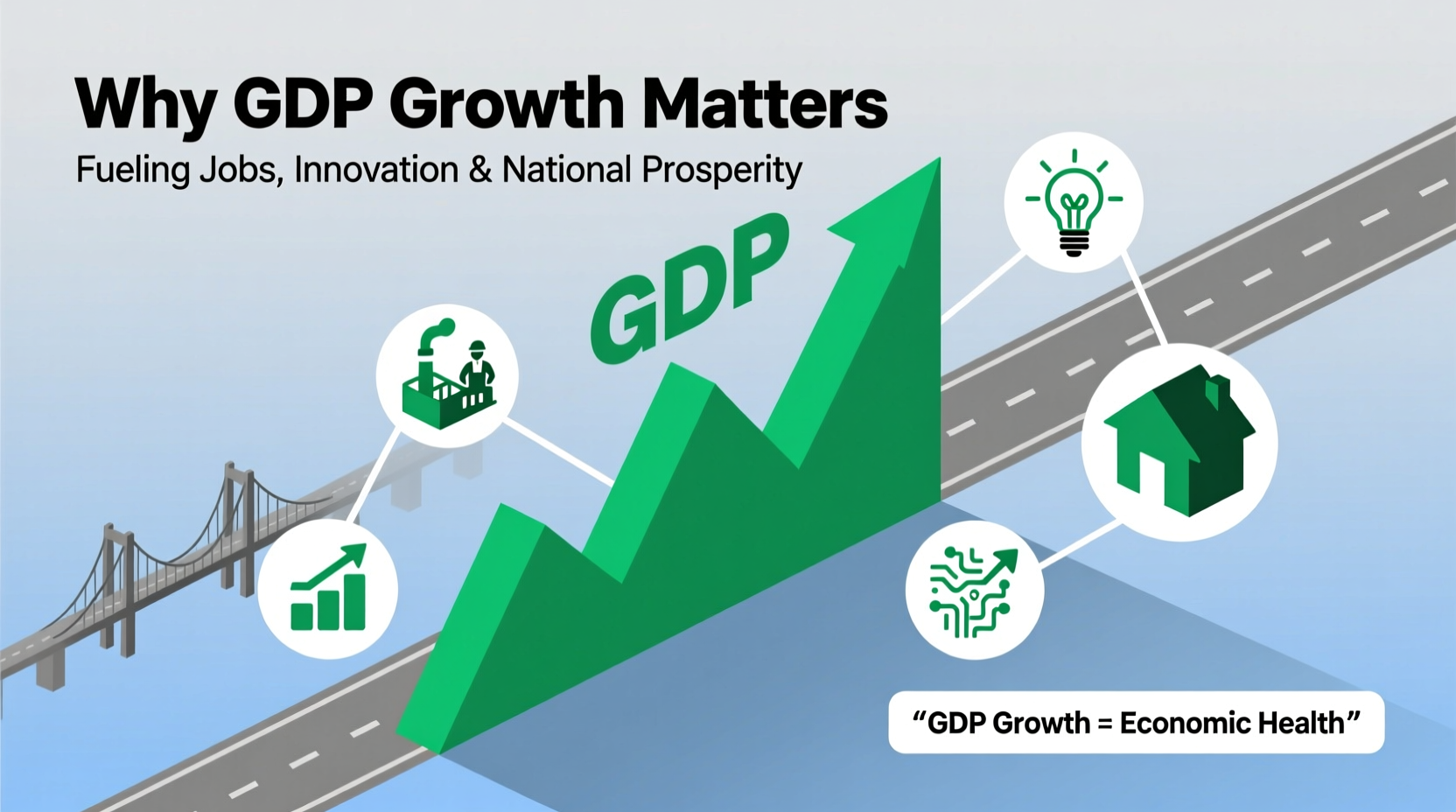
Gross Domestic Product (GDP) growth is more than a number cited in economic reports—it’s a vital indicator of a nation’s health and trajectory. When GDP rises steadily, it signals that an economy is expanding: businesses are producing more, consumers are spending, and employment is generally improving. Conversely, stagnant or shrinking GDP can foreshadow hardship, unemployment, and reduced public confidence. Understanding why GDP growth matters helps individuals, policymakers, and investors make better decisions about the future.
What Is GDP and How Is It Measured?
GDP represents the total market value of all final goods and services produced within a country over a specific period—typically a quarter or a year. There are three primary methods to calculate GDP: the production approach, the income approach, and the expenditure approach. The most commonly used formula is:
GDP = C + I + G + (X – M)
- C: Consumer spending on goods and services
- I: Business investment in capital (e.g., machinery, buildings)
- G: Government expenditures
- X – M: Net exports (exports minus imports)
Growth in GDP means the economy is producing more than before. Even small annual increases—such as 2%—can have compounding effects over time, significantly raising living standards when sustained.
Why GDP Growth Drives Job Creation and Income Growth
One of the most direct benefits of GDP growth is increased employment. As demand for goods and services rises, businesses expand operations and hire more workers. This dynamic reduces unemployment and strengthens household incomes.
For example, during periods of strong GDP growth in the United States between 2017 and 2019, the unemployment rate dropped from 4.3% to below 3.5%, the lowest level in decades. More people working means higher tax revenues for governments and greater consumer spending, reinforcing the cycle of growth.
Additionally, rising GDP often correlates with wage growth. When companies generate more revenue, they are more likely to offer raises, bonuses, or improved benefits. Over time, this lifts entire communities out of poverty and increases access to education, healthcare, and housing.
“Sustained GDP growth is the single most powerful tool we have to reduce poverty and expand opportunity.” — Janet Yellen, Former U.S. Treasury Secretary and Federal Reserve Chair
The Link Between GDP Growth and Living Standards
Long-term GDP growth directly influences quality of life. Countries with consistently rising GDP per capita—GDP divided by population—tend to have better infrastructure, healthcare systems, and educational outcomes.
Consider South Korea: in the 1960s, it was poorer than many African nations. But through decades of high GDP growth driven by industrialization and innovation, it transformed into a high-income country with world-class technology and healthcare. Today, South Koreans enjoy longer life expectancy, higher literacy rates, and broader access to digital services—all outcomes tied to economic expansion.
Moreover, GDP growth funds public services. Governments collect more tax revenue during expansionary phases, enabling investments in roads, schools, clean energy, and social safety nets. These investments, in turn, create conditions for future growth, forming a virtuous cycle.
Investment and Innovation Thrive in Growing Economies
Businesses are more willing to invest in new projects when the economy is growing. A stable or rising GDP signals confidence in future demand, encouraging entrepreneurs to launch startups and established firms to expand.
Stock markets also respond positively to GDP growth. Historically, equity markets perform better during periods of moderate economic expansion. For instance, the S&P 500 delivered average annual returns of around 10% during years when U.S. GDP grew by more than 2.5%, compared to flat or negative returns during recessions.
Innovation flourishes under these conditions. Tech hubs like Silicon Valley or Berlin’s startup scene thrive because investors have capital to deploy, consumers have disposable income, and institutions support research and development—all supported by macroeconomic stability and growth.
Key Economic Indicators That Accompany GDP Growth
| Indicator | Typical Trend During GDP Growth | Why It Matters |
|---|---|---|
| Unemployment Rate | Decreases | More people employed improves household stability and spending power. |
| Inflation | Moderate increase (if controlled) | Reflects rising demand; excessive inflation harms purchasing power. |
| Consumer Confidence | Rises | People spend more when optimistic about jobs and income. |
| Interest Rates | May rise gradually | Central banks may tighten policy to prevent overheating. |
Mini Case Study: Ireland’s Celtic Tiger Era
In the 1990s, Ireland experienced one of the most dramatic GDP expansions in modern history—a period known as the “Celtic Tiger.” From 1995 to 2000, GDP grew at an average rate of over 7% annually.
This surge was fueled by strategic government policies: low corporate taxes attracted foreign tech and pharmaceutical companies, while investments in education created a skilled workforce. Exports boomed, unemployment plummeted, and wages rose sharply.
The impact was transformative. Poverty rates declined, homeownership increased, and Ireland shifted from a largely agricultural economy to a knowledge-based powerhouse. While the boom eventually cooled after the 2008 financial crisis, the legacy of sustained GDP growth reshaped the nation’s long-term prospects.
Common Misconceptions About GDP Growth
Despite its importance, GDP has limitations. It does not account for income inequality, environmental degradation, or unpaid labor such as caregiving. A country could report strong GDP growth while many citizens feel left behind.
For instance, if economic gains are concentrated among the wealthiest 1%, overall GDP may rise, but median household income might stagnate. Similarly, pollution-intensive industries can boost GDP while harming public health.
That said, GDP remains the best broad measure of economic momentum. Complementary metrics—like the Human Development Index (HDI), Genuine Progress Indicator (GPI), or income distribution data—should be used alongside GDP for a fuller picture.
How Policymakers Influence GDP Growth
Governments and central banks use fiscal and monetary tools to encourage healthy GDP expansion.
- Fiscal Policy: Increasing public spending on infrastructure or cutting taxes can stimulate demand and boost GDP in the short term.
- Monetary Policy: Central banks adjust interest rates and control money supply. Lower rates encourage borrowing and investment.
- Regulatory Environment: Streamlining business regulations and protecting property rights foster entrepreneurship.
- Education and Innovation: Long-term growth depends on human capital. Investing in STEM education and R&D pays dividends over decades.
Effective policy balances growth with stability. Overstimulating the economy can cause inflation; being too restrictive can lead to stagnation.
FAQ
Can a country grow without increasing GDP?
While true economic activity may exist outside formal GDP measurements—such as informal work or subsistence farming—GDP remains the standard metric. Alternative models exist, but no widely accepted replacement yet matches GDP’s comprehensiveness.
Is constant GDP growth necessary?
Sustainable growth is ideal, but economies naturally cycle through expansion and contraction. The goal is steady, inclusive growth over time—not endless exponential expansion at environmental or social cost.
Does GDP growth always improve well-being?
Not automatically. Growth must be inclusive and environmentally responsible to translate into widespread well-being. Policies ensuring fair distribution are essential.
Actionable Checklist for Citizens and Leaders
- ✅ Support education and skills training to boost productivity
- ✅ Advocate for transparent, pro-growth economic policies
- ✅ Encourage innovation through funding and entrepreneurship programs
- ✅ Monitor both GDP trends and inequality metrics
- ✅ Promote sustainable development to ensure long-term growth viability
Conclusion: Why We Should All Care About GDP Growth
GDP growth is not an abstract economic concept—it shapes job opportunities, public services, and personal financial security. When managed wisely, it lifts millions out of poverty, fuels innovation, and strengthens national resilience. While it should not be the sole measure of progress, understanding its role is crucial for anyone interested in societal well-being.




 浙公网安备
33010002000092号
浙公网安备
33010002000092号 浙B2-20120091-4
Comments
No comments yet. Why don't you start the discussion?