
A fuller face can appear suddenly or develop gradually over months, often leading to concern about appearance, health, or aging. While facial fullness isn’t inherently unhealthy, unexpected changes in facial shape can signal underlying shifts in lifestyle, hormones, or medical conditions. Understanding the root causes is essential before attempting any corrective measures. This article explores the most common reasons for facial weight gain and offers practical, sustainable strategies to manage it.
Common Causes of Facial Fullness
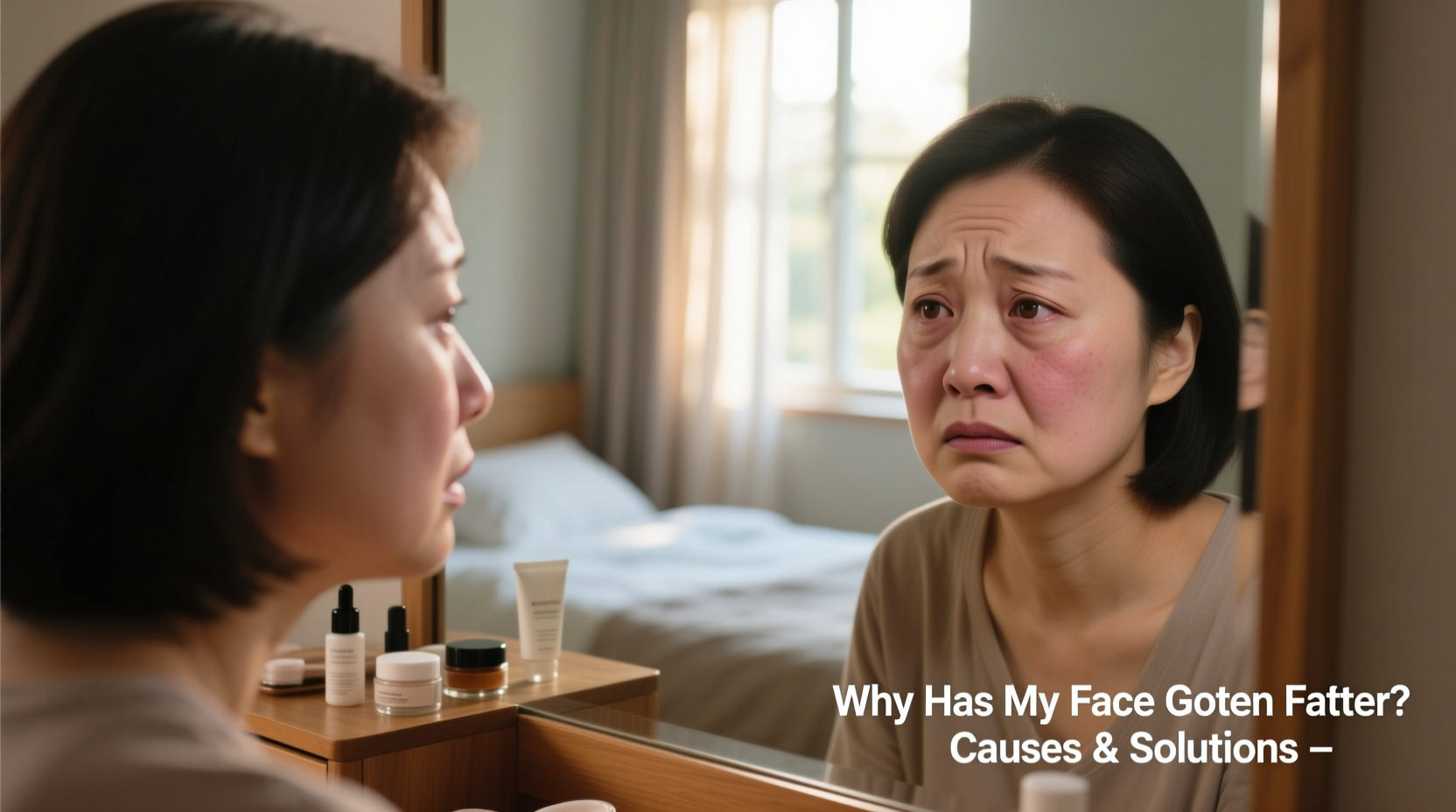
The perception of a “fatter” face typically stems from increased fat deposits, fluid retention, muscle bulk, or loss of skin elasticity. These changes are influenced by biological, environmental, and behavioral factors.
- Weight gain: General body fat increase often shows first in the face due to subcutaneous fat accumulation in the cheeks and jawline.
- Water retention: High sodium intake, hormonal fluctuations (especially during menstruation), or certain medications can cause puffiness.
- Hormonal imbalances: Conditions like Cushing’s syndrome, hypothyroidism, or polycystic ovary syndrome (PCOS) alter metabolism and fat distribution.
- Medications: Corticosteroids, antidepressants, and some diabetes drugs are known to cause facial bloating or fat redistribution.
- Aging: As collagen and elastin decline, facial skin sags, creating a puffy or swollen appearance even without actual fat gain.
- Lifestyle habits: Poor sleep, excessive alcohol, dehydration, and lack of exercise contribute to facial puffiness.
Medical Conditions Linked to Facial Changes
Sudden or disproportionate facial fullness should prompt evaluation for underlying health issues. Some conditions directly affect facial structure and fat distribution.
Cushing’s Syndrome
This rare disorder results from prolonged exposure to high cortisol levels, often due to medication or tumors. A hallmark sign is \"moon face\"—a round, red, full appearance with thin limbs.
Hypothyroidism
An underactive thyroid slows metabolism, leading to weight gain, fluid retention, and facial swelling, particularly around the eyes and cheeks.
Polycystic Ovary Syndrome (PCOS)
Women with PCOS may experience insulin resistance and elevated androgens, contributing to central weight gain and facial fullness.
“Facial puffiness that persists despite diet and exercise warrants medical assessment. Hormonal imbalances are more common than people realize.” — Dr. Lena Torres, Endocrinologist
How Lifestyle Impacts Facial Appearance
Daily habits play a significant role in how your face looks—even if overall body weight remains stable.
| Habit | Effect on Face | Better Alternative |
|---|---|---|
| High-sodium diet | Causes water retention and puffiness | Use herbs and spices; limit processed foods |
| Poor sleep | Increases cortisol and dark circles | 7–9 hours per night; consistent bedtime |
| Alcohol consumption | Dehydrates and inflames tissues | Moderation or alcohol-free days |
| Dehydration | Triggers fluid retention as compensation | Drink half your body weight (lbs) in ounces daily |
Real Example: Sarah’s Experience
Sarah, a 34-year-old teacher, noticed her face looked increasingly round over six months. Despite no major weight gain, her jawline blurred, and she felt puffy by midday. After cutting out nightly wine, reducing packaged snacks, and increasing water intake, she saw visible improvement in three weeks. A blood test later revealed mild hypothyroidism, which was managed with treatment. Her case highlights how multiple factors—lifestyle and physiology—can combine to change facial appearance.
Natural and Effective Ways to Address Facial Fullness
While spot-reducing fat isn’t possible, holistic approaches can reduce overall body fat and minimize puffiness for a more defined facial contour.
Step-by-Step Guide to a Leaner-Looking Face
- Assess your diet: Reduce refined carbs, sugar, and sodium. Focus on whole foods—vegetables, lean proteins, healthy fats.
- Stay hydrated: Drink at least 2–3 liters of water daily to flush excess sodium and reduce bloating.
- Improve sleep hygiene: Aim for consistent bedtimes and limit screen time before sleep to regulate cortisol.
- Exercise regularly: Combine cardio (brisk walking, cycling) with strength training to boost metabolism.
- Try facial massage: Use upward strokes with light pressure or a jade roller to stimulate lymphatic drainage.
- Limit alcohol and smoking: Both dehydrate skin and weaken connective tissue, worsening sagging.
- Consider supplements: Omega-3s, magnesium, and vitamin B6 may help reduce water retention (consult a doctor first).
Facial Exercises: Do They Work?
While evidence is limited, small studies suggest consistent facial exercises may improve muscle tone and reduce perceived fullness. Try this simple routine daily:
- The Smile Lift: Smile widely while keeping lips closed, hold for 10 seconds, repeat 10 times.
- Jaw Release: Tilt head back, look at ceiling, push lower jaw forward, hold 5 seconds, repeat 8 times.
- Cheek Puff: Inhale deeply through nose, puff cheeks, slowly release air through mouth, repeat 10 times.
When to Seek Medical Advice
Not all facial changes are lifestyle-related. See a healthcare provider if you experience:
- Rapid or unexplained facial swelling
- Symptoms like fatigue, hair loss, or irregular periods
- Double chin despite being lean elsewhere
- Changes in vision or headaches alongside facial changes
Blood tests for thyroid function, cortisol levels, and glucose metabolism can identify treatable conditions. Early diagnosis improves outcomes significantly.
Frequently Asked Questions
Can losing weight make my face thinner?
Yes. Since the face contains subcutaneous fat, overall fat loss through diet and exercise usually leads to a slimmer facial appearance. However, genetics influence where you lose fat first.
Why does my face look fatter after eating salty food?
High sodium disrupts fluid balance, causing temporary water retention. This effect is most visible in soft tissues like the face and can last 24–48 hours.
Are facial slimming products effective?
Most creams or serums claiming to “tighten” or “slim” the face offer only short-term tightening via caffeine or cooling agents. Long-term results require systemic changes in diet and health.
Action Checklist: Reduce Facial Fullness Naturally
- Track sodium intake—stay under 2,300 mg/day
- Drink 8–10 glasses of water daily
- Get 7+ hours of quality sleep
- Eliminate sugary drinks and processed snacks
- Practice facial exercises 5–7 days/week
- Schedule a wellness check-up if changes persist
- Avoid alcohol binges and late-night eating
Final Thoughts
A fuller face doesn’t automatically mean poor health, but it can be a signal worth investigating. Whether the cause is subtle fluid retention or a deeper metabolic shift, addressing it begins with awareness and consistent habits. Sustainable improvements come not from quick fixes, but from aligning nutrition, movement, and self-care with your body’s needs. Pay attention to your patterns, listen to your body, and don’t hesitate to consult a professional when something feels off.




 浙公网安备
33010002000092号
浙公网安备
33010002000092号 浙B2-20120091-4
Comments
No comments yet. Why don't you start the discussion?