
The human body contains many organs whose functions have puzzled scientists for decades, and the appendix is among the most debated. Once considered a useless evolutionary remnant, it's now believed to play a minor role in immune function and gut flora maintenance. However, when inflamed or infected, the appendix can become a medical emergency. The standard treatment—appendectomy—is one of the most common abdominal surgeries performed worldwide. Understanding why the appendix is removed, how the procedure works, and what recovery entails empowers patients to make informed decisions about their health.
What Is the Appendix and Why Does It Cause Problems?
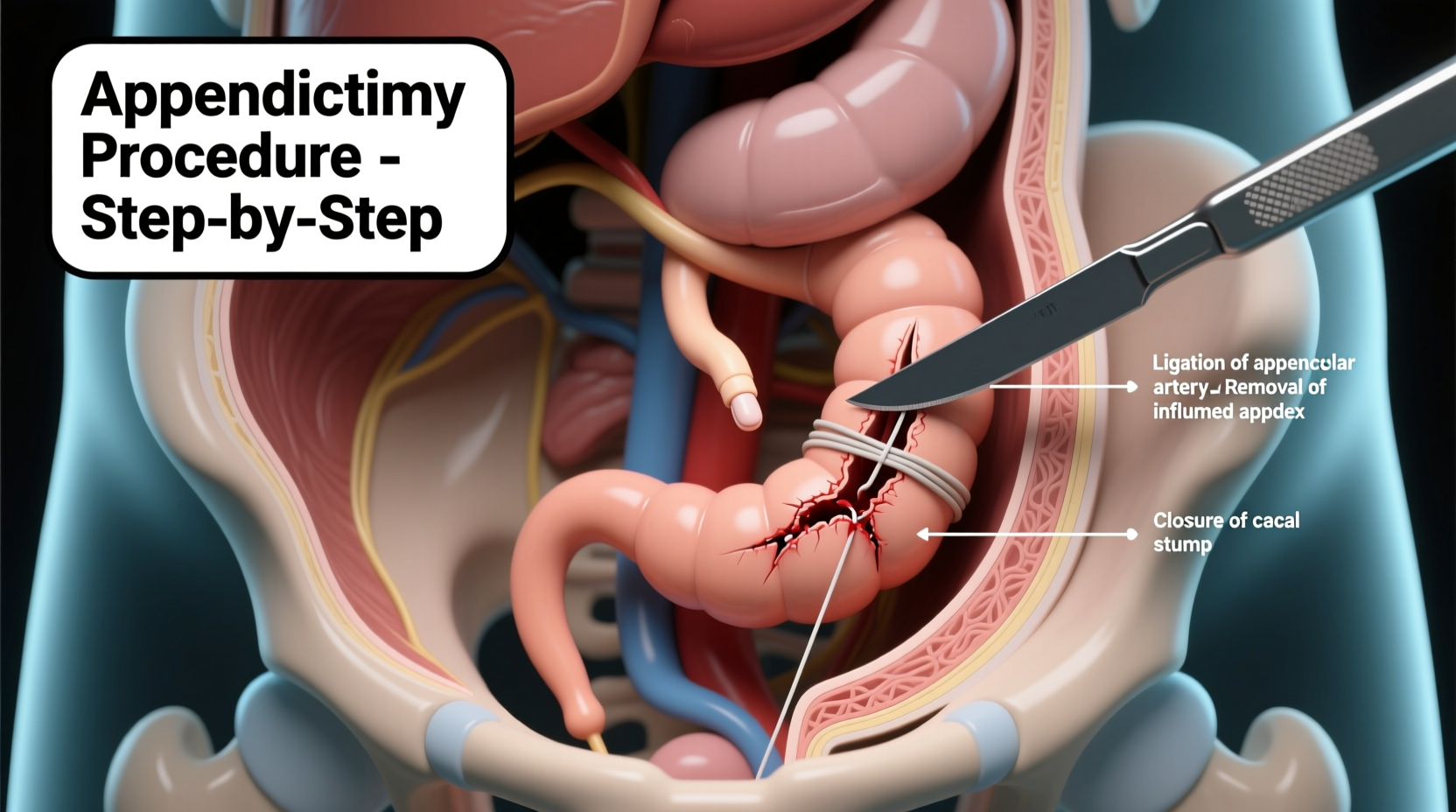
The appendix is a small, finger-shaped pouch attached to the cecum, the beginning of the large intestine, located in the lower right abdomen. It measures about 3 to 4 inches long and has no essential digestive function in humans today. Despite its size, the appendix can trigger severe complications when blocked by fecal matter, tumors, or swollen lymphoid tissue. This blockage leads to bacterial overgrowth, inflammation, and infection—a condition known as appendicitis.
Left untreated, an inflamed appendix can rupture within 48 to 72 hours of symptom onset. A rupture releases infectious material into the abdominal cavity, potentially causing peritonitis—an inflammation of the abdominal lining—or sepsis, both of which are life-threatening conditions. Because of this rapid progression, surgical removal remains the gold standard treatment.
Types of Appendectomy: Open vs. Laparoscopic
There are two primary methods for removing the appendix, each with distinct advantages depending on the patient’s condition and medical history.
| Feature | Laparoscopic Appendectomy | Open Appendectomy |
|---|---|---|
| Incision Type | 3–4 small incisions (0.5–1 cm) | One larger incision (2–4 inches) |
| Recovery Time | 1–2 weeks | 2–4 weeks |
| Pain Level | Mild to moderate | Moderate to high |
| Risk of Infection | Lower | Higher |
| Best For | Early-stage appendicitis, non-ruptured cases | Ruptured appendix, abscesses, complex anatomy |
Laparoscopic surgery, also known as keyhole surgery, uses a camera and specialized tools inserted through tiny cuts. It offers faster recovery, less scarring, and reduced postoperative pain. Open surgery is typically reserved for advanced cases where infection has spread or when laparoscopy isn’t feasible due to adhesions or obesity.
Step-by-Step: What Happens During an Appendectomy?
An appendectomy is usually performed under general anesthesia and takes between 30 minutes to an hour, though longer if complications arise. Here’s a realistic timeline of the procedure:
- Preoperative Preparation: The patient undergoes blood tests, imaging (ultrasound or CT scan), and fasting for at least 6–8 hours before surgery. Antibiotics are often administered to reduce infection risk.
- Anesthesia Administration: General anesthesia is given intravenously, rendering the patient unconscious and pain-free during the operation.
- Surgical Access: In laparoscopic surgery, carbon dioxide is pumped into the abdomen to create space. Surgeons insert trocars (small tubes) through which instruments and a laparoscope are passed. In open surgery, a single incision is made in the lower right abdomen.
- Appendix Removal: The appendix is carefully detached from surrounding tissues and the base is secured using sutures or clips before being cut and removed.
- Closure and Monitoring: Incisions are closed with sutures or staples. The patient is moved to recovery for monitoring until fully awake.
Post-surgery, patients are observed for signs of bleeding, infection, or adverse reactions. Most individuals begin light activity within hours and may be discharged within 24 to 72 hours, depending on whether the appendix ruptured.
Expert Insight: When Surgery Isn't Immediate
In select cases, especially when diagnosis is uncertain or an abscess has formed, doctors may opt for non-surgical management first. This involves antibiotics and drainage of the abscess via imaging-guided catheter, followed by elective appendectomy weeks later.
“Not every case of appendicitis requires immediate surgery. For patients with contained abscesses, we can stabilize them with antibiotics and drain the infection first. But definitive treatment still involves removing the appendix to prevent recurrence.” — Dr. Alan Reyes, Board-Certified General Surgeon
Recovery Tips and Common Challenges
While most people recover fully within a few weeks, proper care significantly impacts healing speed and comfort. Consider these practical tips:
- Avoid heavy lifting (over 10 pounds) for at least two weeks after laparoscopic surgery, or four weeks after open surgery.
- Walk regularly to prevent blood clots and improve circulation.
- Follow wound care instructions strictly—keep incisions dry and clean.
- Eat a fiber-rich diet gradually to prevent constipation caused by pain medications.
- Monitor for red flags: fever above 101°F, increasing pain, pus from incision sites, or vomiting.
Mini Case Study: Delayed Diagnosis Leads to Complications
Samantha, a 24-year-old graduate student, experienced mild stomach discomfort she attributed to stress and poor diet. Over 48 hours, the pain intensified and shifted to her lower right side. She visited urgent care, where initial tests were inconclusive. By the time a CT scan confirmed appendicitis, her appendix had ruptured. She required emergency open surgery and a week-long hospital stay with intravenous antibiotics. Her recovery took nearly a month—double the typical timeframe.
This case underscores the importance of timely evaluation. Early intervention could have led to a minimally invasive procedure and quicker return to normal life. It also highlights that symptoms can start subtly but escalate rapidly.
Frequently Asked Questions
Can you live normally without an appendix?
Yes. There is no significant long-term impact on digestion or immunity after appendectomy. Some studies suggest a slight increase in certain gastrointestinal infections or autoimmune conditions, but the overall effect is minimal for most people.
Are there alternatives to surgery for appendicitis?
In select non-perforated cases, antibiotic therapy alone may resolve symptoms. However, recurrence rates are high—up to 30% within a year—so surgery is still recommended as definitive treatment.
How soon can I return to work after an appendectomy?
Most office workers can return within 1–2 weeks after laparoscopic surgery. Those with physically demanding jobs may need 3–6 weeks, especially after open surgery.
Conclusion: Taking Action for Better Outcomes
Understanding why the appendix is removed goes beyond knowing the mechanics of surgery—it’s about recognizing warning signs early, trusting medical guidance, and supporting recovery with informed choices. Appendectomy is safe and effective, but timing matters. Delays can turn a routine procedure into a serious health crisis. If you or someone you know experiences persistent abdominal pain, especially localized to the lower right side, seek medical attention promptly.




 浙公网安备
33010002000092号
浙公网安备
33010002000092号 浙B2-20120091-4
Comments
No comments yet. Why don't you start the discussion?