
Anime, once considered a niche interest for a small group of dedicated fans in the West, has transformed into a mainstream cultural phenomenon. From record-breaking box office films to Netflix dominance and sold-out conventions, anime’s presence is now undeniable across Europe, North America, and beyond. But what exactly caused this dramatic shift? How did Japanese animation move from cult status to center stage in Western pop culture? The answer lies not in a single factor, but in a powerful convergence of technology, storytelling evolution, generational change, and shifting cultural attitudes.
The Digital Revolution: Accessibility Changed Everything
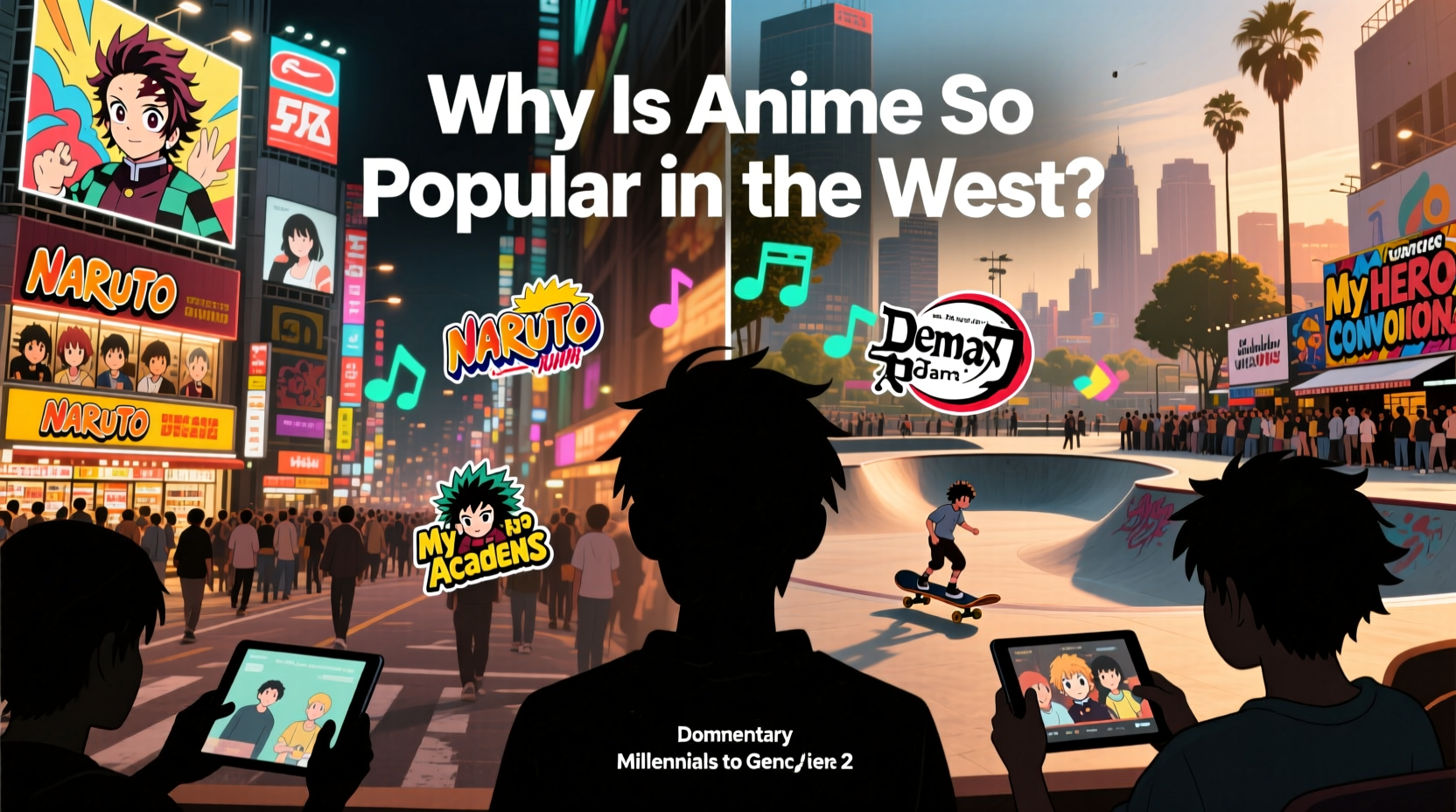
In the 1990s and early 2000s, watching anime outside Japan was difficult. Fans relied on VHS tapes, fan-subbed DVDs, or late-night cable broadcasts with limited selections. Today, that landscape has been completely reshaped by digital platforms. Streaming services like Crunchyroll, Netflix, Hulu, and Disney+ have made thousands of anime titles available instantly and legally.
This accessibility removed the biggest barrier to entry: convenience. Viewers no longer need to hunt down obscure releases or wait months for translations. With a few clicks, they can watch new episodes within hours of their Japanese broadcast—often with professional subtitles or dubs.
The rise of social media also amplified discovery. Platforms like TikTok, YouTube, and Twitter allow fans to share clips, discuss theories, and recommend series to millions. A single viral moment—like Gojo Satoru’s blindfold removal in Jujutsu Kaisen—can spark global interest overnight.
Storytelling That Resonates Across Cultures
Western audiences are increasingly drawn to anime not just for its visual style, but for its narrative depth and emotional range. Unlike traditional Western cartoons, which were long associated with children’s programming, anime spans every genre imaginable: psychological thrillers, philosophical dramas, complex romances, and existential sci-fi.
Series like Death Note explore morality and justice through a gripping cat-and-mouse game. Attack on Titan deconstructs war, propaganda, and the cost of freedom. My Hero Academia reimagines superhero narratives with personal struggle and societal critique. These stories don’t talk down to viewers—they challenge them.
“Anime often asks bigger questions than most Western media is willing to entertain. It treats teenagers as capable of grappling with identity, loss, and purpose.” — Dr. Naomi Tanaka, Cultural Anthropologist at University College London
Moreover, anime embraces emotional honesty. Characters cry, fail, grow, and change in ways that feel authentic. This emotional maturity resonates strongly with younger generations who value authenticity over escapism.
A Generational Shift in Media Consumption
Millennials and Gen Z grew up during anime’s gradual integration into Western culture. For many, shows like Pokemon, Digimon, and Sailor Moon were childhood staples. As these audiences matured, they retained an openness to anime and sought out more sophisticated titles.
This generational familiarity created a foundation for broader acceptance. Unlike older generations who might dismiss anime as “weird” or “just cartoons,” younger viewers see it as a legitimate art form with diverse voices and perspectives.
Additionally, today’s youth prioritize individuality and global awareness. They’re less bound by geographic or linguistic borders when choosing entertainment. Watching anime becomes not just a hobby, but a way to engage with global culture, learn about Japan, and connect with international communities.
How Anime Entered the Western Mainstream: A Timeline
- 1995: Sailor Moon airs on American TV, introducing magical girl tropes and strong female leads to a wide audience.
- 1998: Pokemon becomes a global phenomenon, proving anime could appeal to children and families.
- 2000s: Adult Swim’s Toonami block brings action-heavy anime like Dragon Ball Z and Fullmetal Alchemist to late-night American audiences.
- 2008: Studio Ghibli films gain critical acclaim in the West, especially after Disney’s distribution deal.
- 2013: Crunchyroll launches its streaming service, offering legal, timely access to new anime.
- 2019: Demon Slayer: Kimetsu no Yaiba breaks box office records in Japan and later becomes a hit in the U.S.
- 2020–2023: Netflix invests heavily in anime originals; Spy x Family, Jujutsu Kaisen, and Chainsaw Man dominate global charts.
Cultural Openness and Identity Expression
As Western societies become more multicultural, audiences are more receptive to foreign media. There’s growing appreciation for different aesthetics, philosophies, and storytelling traditions. Anime offers a window into Japanese values—such as perseverance (gaman), duty, and harmony—while also reflecting universal human experiences.
For many fans, anime also serves as a tool for self-expression. Cosplay, fan art, and online communities allow individuals to explore identity, creativity, and belonging. In a world where mental health and personal growth are increasingly discussed, anime characters who struggle with anxiety, trauma, or self-doubt—like Shinji Ikari in Neon Genesis Evangelion or Kaori in Your Lie in April—provide comfort and validation.
| Aspect | Traditional Western Animation | Modern Anime |
|---|---|---|
| Target Audience | Often children or families | All ages, including adults |
| Narrative Scope | Episodic, resolution-focused | Serialized, character-driven arcs |
| Themes | Good vs. evil, heroism | Moral ambiguity, personal growth, societal critique |
| Art Style | Consistent, simplified | Expressive, symbolic, varied |
| Emotional Range | Limited, comedic tone common | Broad—from absurd comedy to deep tragedy |
This emotional and thematic complexity makes anime feel more “real” to many viewers, especially those navigating the uncertainties of modern life.
The Role of Music, Fashion, and Pop Culture Fusion
Anime’s influence extends far beyond television screens. Its music—ranging from energetic J-rock openings to haunting orchestral scores—has gained international followings. Artists like YOASOBI, LiSA, and Kenshi Yonezu regularly chart globally, with songs tied to anime series going viral on Spotify and YouTube.
Fashion trends inspired by anime are also rising. Streetwear brands collaborate with anime franchises, and styles like “decora” or “visual kei” influence alternative fashion scenes in cities like Los Angeles, London, and Berlin. Even major luxury brands have taken notice—Gucci released a Doraemon collection, and Louis Vuitton partnered with Final Fantasy.
Conventions like Anime Expo in Los Angeles and Hyper Japan in London draw hundreds of thousands annually, blending commerce, performance, and community. These events aren’t just for hardcore fans—they’re cultural festivals that celebrate creativity and inclusivity.
“I came for Naruto, but I stayed for the people. It’s the first place I felt truly accepted for being passionate about something different.” — Maya Tran, 24, attendee at Anime NYC
Common Misconceptions About Anime’s Popularity
Despite its growth, several myths persist about why anime is popular in the West:
- Myth: It’s only popular because of exaggerated emotions or unrealistic art.
Reality: While stylized, these elements serve narrative purposes—heightened expressions convey internal states clearly, much like theater or silent films. - Myth: Anime is mostly for teenagers obsessed with fantasy.
Reality: Many top-rated series tackle adult themes like grief, politics, and ethical dilemmas. - Myth: Western animation can’t compete.
Reality: Shows like Avatar: The Last Airbender and Rick and Morty show Western creators adopting anime-inspired storytelling and aesthetics.
Mini Case Study: How 'Demon Slayer' Broke the U.S. Box Office
In 2020, Demon Slayer: Mugen Train shocked the film industry by earning over $49 million in the United States—making it the highest-grossing Japanese film in American history. This was unprecedented for a subtitled animated feature.
Several factors contributed to its success:
- Strong pre-existing fanbase: The TV series had already built massive anticipation.
- Strategic release: Aniplex and Crunchyroll coordinated a wide theatrical rollout, treating it like a Hollywood blockbuster.
- Universal themes: Loyalty, sacrifice, and fighting inner demons resonated across cultures.
- Social media buzz: Clips of intense animation sequences went viral, drawing curiosity from non-fans.
Demon Slayer proved that anime could succeed not just as niche content, but as mainstream entertainment—when given the right platform and respect.
FAQ: Understanding Anime’s Western Appeal
Is anime’s popularity in the West just a passing trend?
No. What began as a trend has evolved into a sustained cultural movement. With ongoing investments from streaming giants, original productions, and academic interest, anime is now embedded in global media infrastructure. Its popularity may fluctuate by title, but the overall trajectory is upward and stable.
Do you need to understand Japanese culture to enjoy anime?
Not at all. While some context enhances appreciation, most anime is designed for broad appeal. Themes like friendship, ambition, love, and resilience are universal. Subtitles and dubs ensure language isn’t a barrier. Creators often explain cultural references within the story itself.
Why do some anime have such long seasons or endless sequels?
Many anime are based on manga (Japanese comics) or light novels that are still ongoing. Unlike Western TV, which often plans finite seasons, anime adapts source material as it’s published. Series like One Piece continue because there’s still more story to tell—and fans keep supporting it.
How to Start Exploring Anime: A Beginner’s Checklist
If you're curious but unsure where to begin, follow this simple guide:
- ✅ Identify your favorite genres (e.g., action, romance, mystery).
- ✅ Try one critically acclaimed starter series (e.g., Fullmetal Alchemist: Brotherhood for drama/action, Clannad for emotional depth, Haikyuu!! for sports and motivation).
- ✅ Use a legal streaming service like Crunchyroll, Netflix, or Hulu.
- ✅ Watch with subtitles first to experience original voice acting and pacing.
- ✅ Join online communities (Reddit, Discord) to get recommendations and avoid spoilers.
- ✅ Be patient—some series take time to build characters and plot.
Conclusion: More Than Just Entertainment
Anime’s surge in the West isn’t just about better access or flashy animation. It reflects a deeper cultural shift—one where audiences crave meaningful stories, embrace global perspectives, and reject outdated hierarchies of what “counts” as serious art. Anime offers emotional truth, creative risk-taking, and a sense of community that resonates in an increasingly fragmented world.
As lines between cultures continue to blur, anime stands as proof that great storytelling transcends borders. It’s not merely popular—it’s transformative. Whether you’ve been a fan for decades or are just discovering it now, there’s never been a better time to engage with this vibrant, evolving art form.




 浙公网安备
33010002000092号
浙公网安备
33010002000092号 浙B2-20120091-4
Comments
No comments yet. Why don't you start the discussion?