
Vegetable chili is more than a meatless alternative—it’s a canvas for bold flavors, hearty textures, and nutritional depth. Whether you're new to plant-based cooking or refining your technique, mastering veggie chili means understanding how to build complexity without relying on animal proteins. Unlike traditional chili, which leans on ground beef or pork for richness, a great vegetarian version depends on ingredient synergy: beans, vegetables, spices, and umami-rich elements working in harmony. Done well, it delivers the same satisfying warmth and depth as any classic stew, with added fiber, antioxidants, and versatility. This guide walks through every stage of crafting exceptional veggie chili, from selecting base ingredients to professional-level enhancements like smoked paprika infusions, masa thickening, and acid balancing—ensuring consistent results whether you’re feeding one or serving a crowd.
Definition & Overview
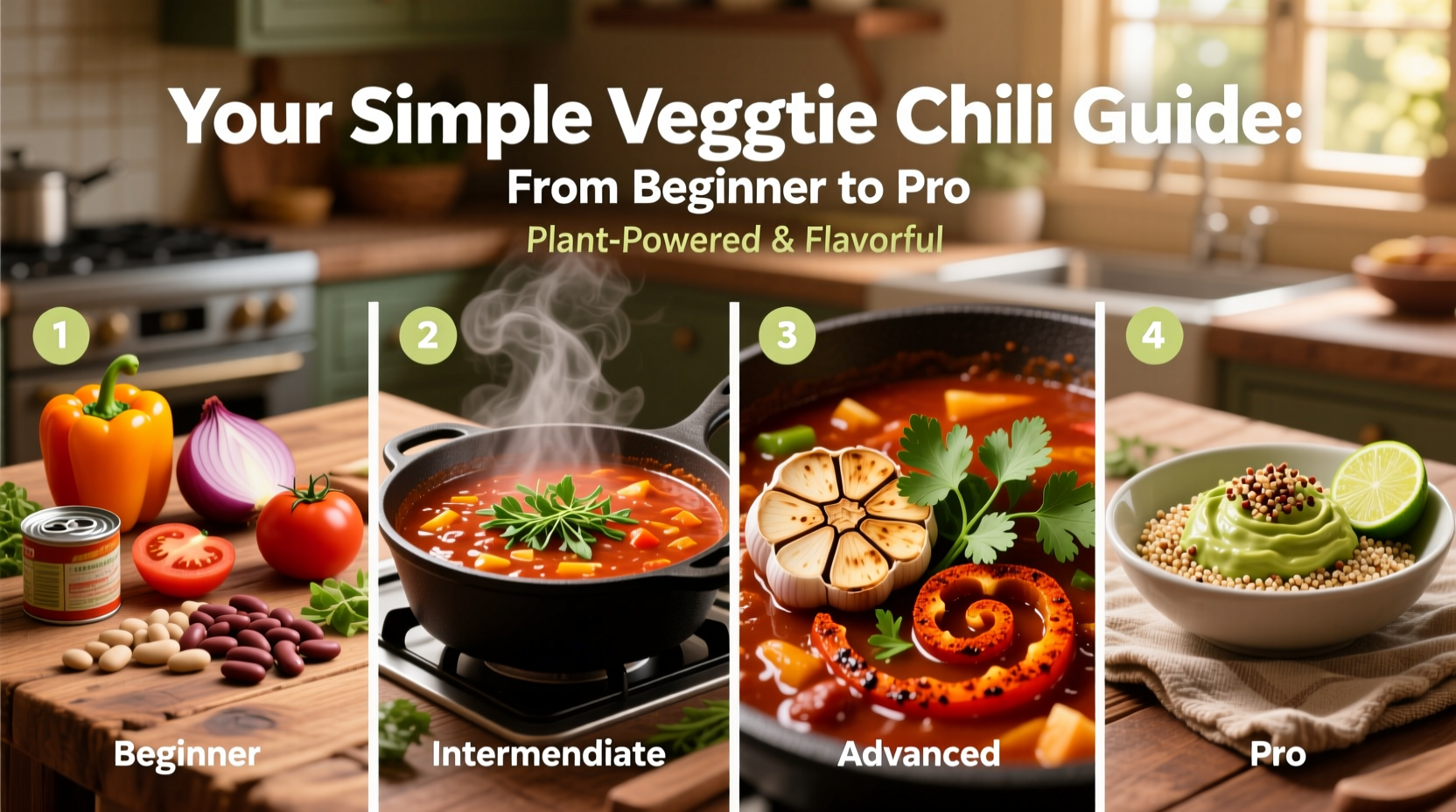
Veggie chili is a plant-based adaptation of American chili con carne, typically omitting meat while preserving its robust, spicy-savory character. It originated in the late 20th century as vegetarianism gained cultural traction, particularly in the Southwestern United States. While regional variations exist—from Texas-style (meat-heavy, bean-light) to Cincinnati chili (cinnamon-laced, served over spaghetti)—veggie chili aligns most closely with New Mexico and California interpretations, where fresh produce, multiple beans, and layered chile powders define the dish.
The core components include legumes (such as black beans, kidney beans, or pinto beans), aromatic vegetables (onion, bell pepper, garlic), tomatoes (crushed, diced, or paste), broth or water, and a spice blend centered around chili powder, cumin, and oregano. Unlike its meat-based counterpart, success hinges not on slow-rendered fat but on building body through texture variation and deepening savoriness via natural glutamates found in mushrooms, tomato paste, soy sauce, or nutritional yeast.
A well-made veggie chili should be thick enough to coat a spoon, rich without being greasy, and balanced between heat, sweetness, acidity, and earthiness. It functions equally well as a weeknight dinner, meal-prep staple, or centerpiece at communal gatherings. With proper technique, it improves overnight, making it ideal for batch cooking.
Key Characteristics
| Characteristic | Description |
|---|---|
| Flavor Profile | Earthy, smoky, moderately spicy, with underlying sweetness from peppers and tomatoes; savory depth from umami boosters. |
| Aroma | Toasted spices, caramelized onions, roasted peppers, warm cumin, and dried chiles. |
| Color/Form | Deep red-brown, slightly glossy surface; chunky but cohesive texture with visible beans and vegetable pieces. |
| Heat Level | Mild to medium-hot, adjustable based on chili type and quantity; rarely extreme unless specified. |
| Culinary Function | Main course, filling for nachos/tacos, topping for baked potatoes, base for chili fries or cornbread pairings. |
| Shelf Life | Refrigerated: up to 5 days; frozen: up to 6 months in airtight containers. |
Practical Usage: Building Layers of Flavor
The difference between bland and brilliant veggie chili lies in layering—not just spices, but textures and taste dimensions. Follow this structured approach for consistently flavorful results:
- Sauté Aromatics Deeply: Begin with onions, carrots, and bell peppers in olive oil or avocado oil over medium heat. Cook until onions turn golden (not just translucent), about 8–10 minutes. This step develops sweetness and foundation flavor.
- Bloom Spices: Add minced garlic, chili powder, ground cumin, smoked paprika, and dried oregano. Stir constantly for 30–60 seconds until fragrant. Blooming in oil releases essential oils and intensifies potency.
- Build Umami Base: Stir in two tablespoons of tomato paste and cook for 2–3 minutes, letting it darken slightly. This creates a Maillard reaction that adds roasted depth. Optional: add one teaspoon of soy sauce or tamari at this stage for extra savoriness.
- Add Liquids Gradually: Pour in crushed tomatoes first, scraping the bottom to deglaze. Then add vegetable broth—preferably low-sodium—to control salt levels. Bring to a simmer before adding beans.
- Incorporate Beans and Vegetables: Use a mix of canned (drained/rinsed) beans—e.g., black, kidney, and cannellini—for varied texture. Add diced zucchini, sweet potato, or corn during the last 20 minutes to retain structure.
- Simmer Strategically: Maintain a gentle simmer for 30–45 minutes. Avoid boiling, which can break down beans. Stir occasionally to prevent sticking.
- Finish with Brightness: Off heat, stir in lime juice or apple cider vinegar (1–2 tsp). Taste and adjust seasoning—salt, spice, or sweetness (a pinch of brown sugar if too sharp).
Pro Tip: For restaurant-quality thickness without mushiness, mash ¼ of the cooked beans against the pot wall halfway through simmering. This releases starch naturally, improving mouthfeel without flour or cornstarch.
Variants & Types
Veggie chili isn’t monolithic. Regional styles, dietary preferences, and ingredient availability give rise to distinct types. Choosing the right variant depends on context—casual family meals versus gourmet entertaining, freezer storage needs, or allergen restrictions.
1. Classic Three-Bean Chili
- Ingredients: Kidney, black, and pinto beans; onion, green pepper, garlic, canned tomatoes, chili powder, cumin.
- Best for: Weeknight dinners, potlucks, beginner cooks.
- Texture: Chunky, balanced, familiar.
2. Smoky Chipotle-Chickpea Chili
- Ingredients: Canned chickpeas, fire-roasted tomatoes, adobo sauce from canned chipotles, smoked paprika, cocoa powder.
- Best for: Bold flavor seekers; pairs exceptionally with cornbread or avocado crema.
- Texture: Creamier due to chickpea breakdown; slight heat with lingering smoke.
3. White Bean & Turkey-Free “Meat” Chili
- Ingredients: Cannellini beans, textured vegetable protein (TVP) or crumbled tempeh, yellow onion, celery, green chiles, cumin, coriander.
- Best for: Mimicking ground meat texture; high-protein meal prep.
- Texture: Hearty, almost meat-like when TVP is rehydrated in broth.
4. Roasted Vegetable Chili
- Ingredients: Pre-roasted sweet potatoes, beets, or mushrooms blended partially into the base; fresh tomatoes, herbs.
- Best for: Fall/winter menus; gourmet presentations.
- Texture: Richer, deeper color, velvety body with rustic chunks.
5. Instant Pot / Pressure Cooker Chili
- Ingredients: Dry beans (soaked or unsoaked), all other ingredients added raw.
- Method: Sauté function for aromatics and spices, then pressure cook 15–20 minutes.
- Best for: Time efficiency; dry beans eliminate can dependency.
| Variant | Prep Time | Protein Source | Special Equipment |
|---|---|---|---|
| Classic Three-Bean | 15 min + 40 min cook | Legumes only | Standard pot |
| Chipotle-Chickpea | 20 min + 35 min cook | Chickpeas, adobo | Food processor (optional) |
| White Bean & TVP | 25 min + 30 min cook | TVP, tempeh, beans | Fine mesh strainer (for rinsing) |
| Roasted Veggie | 40 min roasting + 30 min simmer | Beans, mushrooms | Oven, baking sheet |
| Instant Pot | 10 min sauté + 20 min pressure | Dry beans, lentils | Electric pressure cooker |
Comparison with Similar Ingredients
Veggie chili is often confused with other tomato-based stews or meatless dishes. Understanding distinctions ensures proper execution and expectations.
| Compared To | Differences | When to Choose Which |
|---|---|---|
| Chili Con Carne | Contains beef/pork; richer fat content; often less beans in traditional versions. | Choose meat chili for carnivores or authentic Tex-Mex events; veggie for plant-forward diets. |
| Ratatouille | Mediterranean herbs (thyme, basil); no chili spices; eggplant/zucchini dominant; lighter texture. | Ratatouille for summer produce showcases; chili for hearty, spiced comfort food. |
| Marinara Sauce | Italian profile (oregano, basil, garlic); thinner; never includes beans or cumin. | Marinara for pasta; chili for bowls, toppings, or standalone servings. |
| Vegetarian Bolognese | Uses lentils/mushrooms to mimic meat; includes milk or cream; longer reduction; nutmeg/cloves used. | Bolognese for pasta pairing; chili for dipping, scooping, or ladling over grains. |
| Goulash | Central European; paprika-heavy but sweet, not spicy; often includes potatoes and caraway. | Goulash for cold-weather stews; chili for Southwestern flavor profiles. |
Practical Tips & FAQs
How do I prevent my veggie chili from being watery?
Simmer uncovered during the final 15 minutes to reduce excess liquid. Alternatively, use less broth initially—start with 2 cups per 4 cans of beans—and add more only if needed. Mashing some beans also thickens naturally.
Can I use dry beans instead of canned?
Yes, and doing so enhances flavor control and reduces sodium. Soak 1 cup dried beans overnight, then boil until tender (about 60–90 minutes) before adding to the chili. Or use an Instant Pot to cook unsoaked beans directly in the mixture (add 1 extra cup water).
What are the best umami boosters for meatless chili?
- Tomato paste (browned)
- Soy sauce or tamari (1 tsp)
- Nutritional yeast (1–2 Tbsp)
- Dried mushrooms (powdered or whole, removed before serving)
- Miso paste (stirred in at end, off heat)
- Worcestershire sauce (check for anchovies; use vegan version if needed)
How spicy should veggie chili be?
Adjustable. Standard blends use mild-to-medium chili powder. For heat, add cayenne (¼ tsp at a time), fresh jalapeños, or hot sauce. Always label if serving guests—spice tolerance varies widely.
Is freezing veggie chili recommended?
Excellent candidate for freezing. Cool completely, portion into airtight containers, leaving ½-inch headspace. Thaw in fridge overnight and reheat gently with a splash of broth to refresh consistency.
What are top garnishes for serving?
- Fresh cilantro
- Lime wedges
- Diced avocado or guacamole
- Sour cream or vegan yogurt
- Shredded cheese or dairy-free alternative
- Green onions
- Tortilla chips or strips
“The secret to great vegetarian chili isn’t substitution—it’s translation. You’re not replacing beef; you’re creating something equally profound using different tools.” — Chef Elena Ruiz, Plant-Based Culinary Institute
How long does it keep in the fridge?
Up to five days. Flavors meld and deepen after 24 hours, making day-two chili often better than fresh. Reheat on stove over medium-low, stirring frequently.
Can I make it gluten-free?
Easily. Ensure broth and any processed ingredients (like TVP or chili powder blends) are certified gluten-free. Most base ingredients—beans, vegetables, spices—are naturally GF.
Batch Cooking Checklist:
- Double the recipe for freezing
- Label containers with date and spice level
- Store garnishes separately
- Include reheating instructions: \"Warm over medium heat with 2 Tbsp broth\"
Summary & Key Takeaways
Mastering veggie chili requires attention to layering, texture, and balance—not just dumping ingredients into a pot. Start with a solid base of sautéed aromatics and bloomed spices. Build depth using umami-rich ingredients like tomato paste, soy sauce, or mushrooms. Choose beans and vegetables that offer both heartiness and contrast. Simmer with intention, adjusting thickness and seasoning toward the end. Finish with acidity to brighten the profile.
Whether preparing a simple weeknight version or elevating it with roasted vegetables and smoked chiles, the principles remain constant: develop flavor gradually, respect ingredient roles, and tailor the experience to your audience. Once mastered, this dish becomes a reliable staple—nutritious, scalable, and deeply satisfying.
Challenge yourself: Make the same chili twice—once following a basic recipe, once applying these layering techniques. Taste them side by side. The difference will confirm what technique can achieve.




 浙公网安备
33010002000092号
浙公网安备
33010002000092号 浙B2-20120091-4
Comments
No comments yet. Why don't you start the discussion?