
Beyond its role in family planning, birth control is a critical healthcare tool used to manage conditions like endometriosis, PCOS, acne, and menstrual disorders. Yet for millions of Americans, accessing reliable contraception remains a financial burden. Despite being classified as preventive care under the Affordable Care Act (ACA), many individuals still face high out-of-pocket costs. The reasons are complex—rooted in insurance design, pharmaceutical pricing, and systemic healthcare inequities. Understanding why birth control is so expensive requires unpacking layers of policy, market forces, and individual circumstances.
The Role of Insurance Coverage Gaps
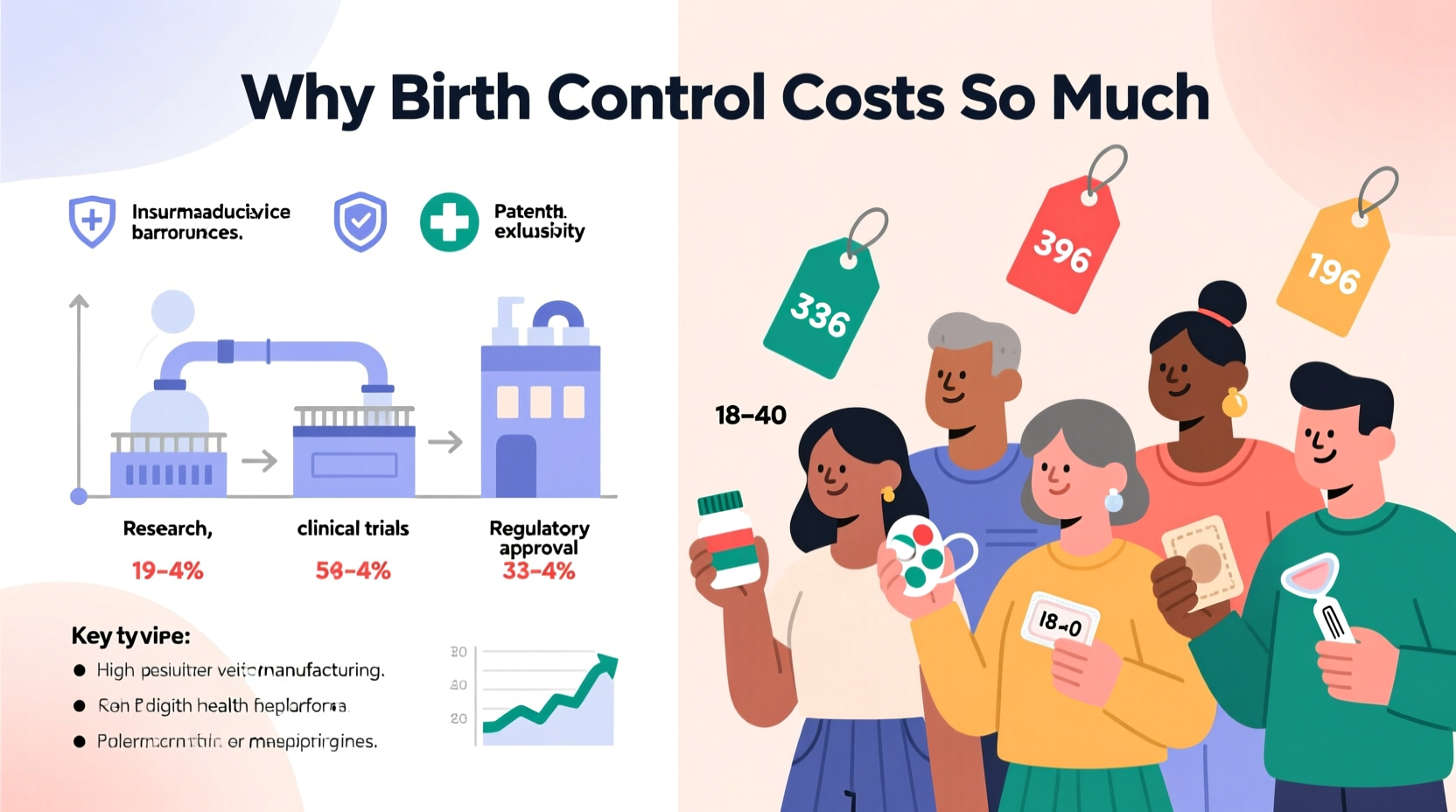
While the ACA mandates that most insurance plans cover FDA-approved contraceptives without cost-sharing, this rule comes with significant exceptions. Grandfathered health plans—those created before 2010—are not required to comply. Additionally, some employer-sponsored plans, particularly those self-funded or claiming religious exemptions, may exclude contraceptive coverage entirely.
Even when covered, patients often encounter limitations. Insurers typically maintain a formulary—a list of approved medications—and may only cover generic versions or specific brands. If a prescribed method isn’t on the list, patients must either pay the full price or switch to an alternative they may not tolerate well.
Pharmaceutical Pricing and Market Control
The U.S. allows drug manufacturers broad discretion in setting prices, unlike countries with centralized healthcare systems that negotiate rates. This lack of price regulation enables steep markups, especially for brand-name contraceptives. For example, some extended-cycle pills or newer IUDs can cost over $1,000 without insurance.
Patents and limited competition also contribute. A single company may dominate production of certain hormonal formulations, reducing incentives to lower prices. Even after generics become available, brand loyalty—driven by marketing or physician preference—can sustain higher-cost options in the market.
“Drug pricing in the U.S. isn’t tied to development cost or medical value—it’s driven by what the market will bear.” — Dr. Rachel Kim, Health Economist, Johns Hopkins Bloomberg School of Public Health
Out-of-Pocket Costs and Access Barriers
For uninsured individuals, birth control costs can be prohibitive. A monthly pack of branded oral contraceptives may range from $50 to $80, totaling nearly $1,000 annually. Long-acting reversible contraceptives (LARCs) like IUDs or implants carry even steeper upfront expenses: insertion procedures, follow-up visits, and device fees can exceed $2,000.
These costs disproportionately affect low-income women, young adults, and marginalized communities. A 2022 study by the Kaiser Family Foundation found that one in five women skipped doses or switched methods due to cost concerns. Some resort to less effective options like condoms or withdrawal, increasing the risk of unintended pregnancy.
| Birth Control Method | Average Annual Cost (Uninsured) | Covered Under ACA? |
|---|---|---|
| Generic Oral Pills | $240–$480 | Yes |
| Brand-Name Pills | $600–$1,200 | Varies by plan |
| Vaginal Ring (e.g., NuvaRing) | $1,000–$1,500 | Often, with restrictions |
| Hormonal IUD (e.g., Mirena) | $1,000–$2,000 (device + insertion) | Yes, but copays may apply |
| Implant (Nexplanon) | $800–$1,300 | Yes |
| Condoms (monthly supply) | $60–$120 | No |
Hidden Fees and Provider-Related Expenses
The sticker price of birth control rarely tells the full story. Many people overlook associated medical costs, such as:
- Doctor visits for prescriptions (especially gynecologists, who may charge more than primary care providers)
- Pelvic exams or STI screenings required by clinics before prescribing hormonal methods
- Follow-up appointments for LARC insertions or removals
- Lab work to assess hormone levels or contraindications
In rural or underserved areas, transportation, time off work, and childcare add further strain. These indirect costs create what public health experts call “financial toxicity”—a burden so great it deters consistent use.
Mini Case Study: Maria’s Experience
Maria, a 27-year-old freelance graphic designer in Texas, was prescribed a new hormonal IUD for severe cramping. Her insurance covered the device but required a $150 copay for the insertion procedure and a separate $75 fee for the follow-up checkup. Because she didn’t have a steady income during a project gap, she delayed the appointment by three months. During that time, she relied on emergency contraception twice—costing $50 each time—and experienced increased anxiety about unintended pregnancy. Maria’s case illustrates how fragmented coverage and procedural costs undermine access, even when the medication itself is technically “covered.”
Strategies to Reduce Birth Control Costs
Despite systemic challenges, several practical steps can help lower expenses and improve affordability.
Step-by-Step Guide to Cutting Contraceptive Costs
- Review your insurance plan: Contact your insurer to confirm which contraceptives are covered at $0 cost-sharing. Ask for a copy of the formulary.
- Ask for generics: If your doctor prescribes a brand-name pill, inquire whether a generic equivalent is available and equally effective.
- Use telehealth services: Platforms like Nurx, Lemonaid, or Pandia Health offer online consultations and mail-order delivery, often at lower visit fees than in-person appointments.
- Visit community clinics: Federally Qualified Health Centers (FQHCs) and Planned Parenthood locations provide sliding-scale fees based on income.
- Apply for patient assistance programs: Many pharmaceutical companies offer discounts or free trials for brand-name contraceptives. Check the manufacturer’s website for eligibility.
- Consider long-term savings: While IUDs or implants have high upfront costs, they last 3–10 years and may be cheaper over time than monthly pills.
Checklist: Affordability Action Plan
- ☐ Verify contraceptive coverage with your insurance provider
- ☐ Compare prices at local pharmacies using tools like GoodRx
- ☐ Schedule appointments at low-cost clinics if uninsured
- ☐ Apply for Medicaid or state-specific family planning programs (e.g., Title X)
- ☐ Explore mail-order telehealth options for convenience and savings
- ☐ Request annual pill refills or multi-pack prescriptions to reduce trips
Frequently Asked Questions
Does the Affordable Care Act really make birth control free?
For most private insurance plans, yes—birth control must be covered with no copay or deductible. However, exceptions exist for grandfathered plans, religious employers, and certain short-term policies. Medicaid and Medicare have different rules; Medicaid usually covers contraceptives at no cost, while Medicare Part D coverage varies.
Why do some birth control pills cost more than others?
Pricing differences stem from branding, formulation complexity, and patent status. Newer pills with unique hormone combinations are often patented and priced higher. Generics, which contain the same active ingredients, are significantly cheaper once patents expire.
Can I get birth control without a prescription?
As of 2024, a limited number of states—including California, Colorado, and New York—allow pharmacists to prescribe and dispense hormonal contraceptives directly. Over-the-counter options are expected to expand soon; the first non-prescription daily pill (Opill) is anticipated to hit shelves in 2025.
Conclusion: Moving Toward Equitable Access
The high cost of birth control isn’t just a personal financial issue—it’s a public health concern. When effective contraception is unaffordable, reproductive autonomy erodes, and health disparities widen. While policy reforms and expanding OTC access offer hope, immediate solutions lie in informed consumer choices, advocacy, and smarter use of existing resources.
Every individual deserves access to affordable, reliable birth control—regardless of income, location, or insurance status. By understanding the factors behind the price tag and taking proactive steps, you can navigate the system more effectively and protect both your health and budget.




 浙公网安备
33010002000092号
浙公网安备
33010002000092号 浙B2-20120091-4
Comments
No comments yet. Why don't you start the discussion?