
Bisphenol A (BPA) is a synthetic chemical widely used since the 1960s in the production of polycarbonate plastics and epoxy resins. Found in food containers, water bottles, canned goods linings, and even thermal receipts, BPA has become nearly unavoidable in modern life. While its durability and clarity made it an industrial favorite, growing scientific evidence reveals that BPA may interfere with human hormonal systems, posing serious long-term health risks. Understanding why BPA is harmful—its mechanisms, exposure routes, and potential effects—is essential for making informed choices about everyday products.
What Is BPA and Where Is It Found?
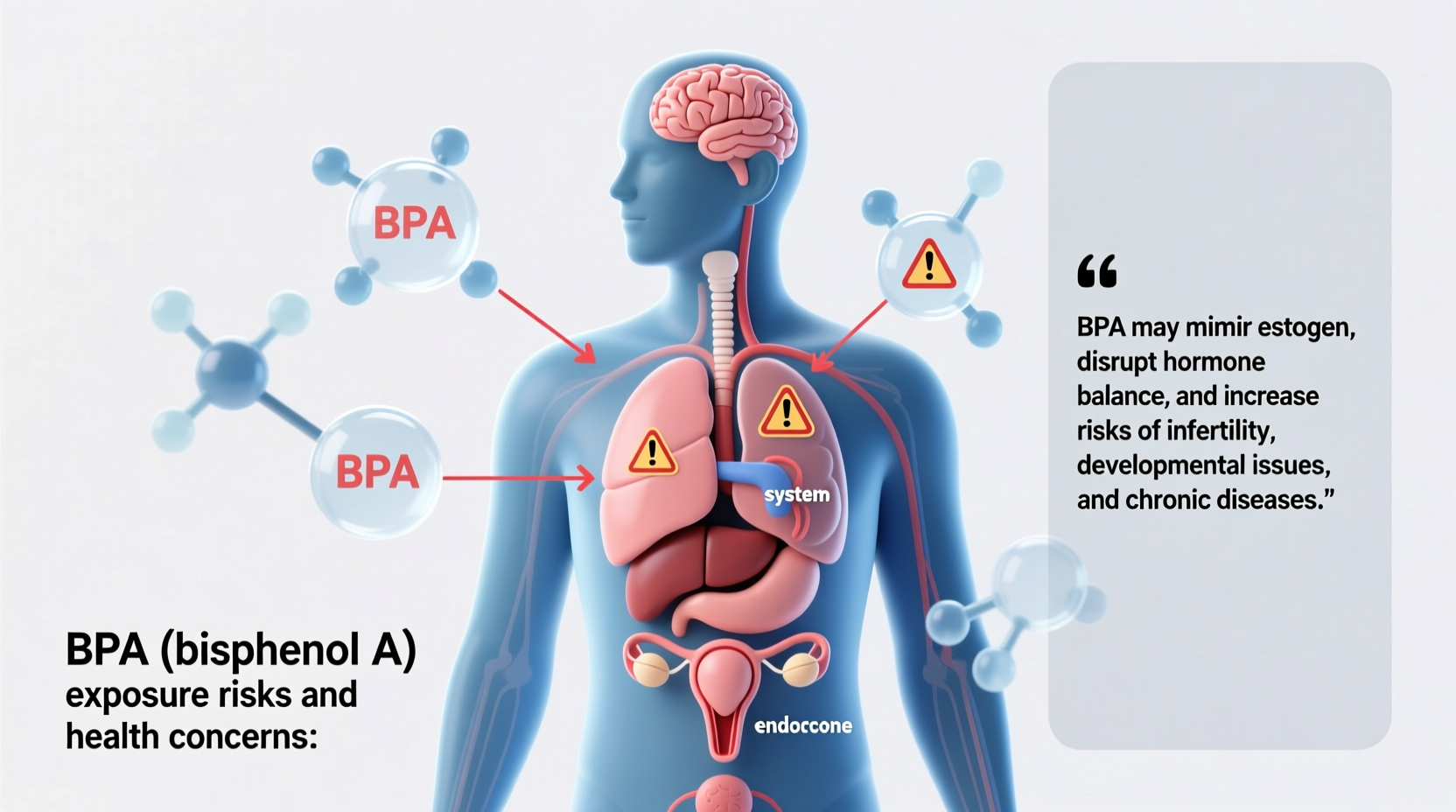
BPA is an industrial chemical used primarily to harden plastics and create protective coatings inside metal-based food and beverage cans. It helps prevent corrosion and contamination from metal leaching into food. Despite its functional benefits, BPA is not chemically bound into plastic, meaning it can leach into food, drinks, and even the environment over time—especially when exposed to heat, acidic conditions, or prolonged storage.
Common sources of BPA include:
- Plastic containers labeled with recycling code #7 (often polycarbonate)
- Canned foods and beverages (lined with BPA-containing epoxy resin)
- Thermal paper receipts (such as those from gas stations and stores)
- Medical devices and dental sealants
- Water supply pipes and storage tanks
Because BPA is so pervasive, studies by the Centers for Disease Control and Prevention (CDC) have found detectable levels of BPA in over 90% of Americans tested.
How BPA Disrupts Hormonal Function
The primary concern with BPA lies in its ability to mimic estrogen, one of the body’s key sex hormones. This property classifies BPA as an endocrine disruptor—a substance that interferes with the endocrine system’s normal signaling processes. Even at low doses, BPA can bind to estrogen receptors, triggering responses that may alter development, metabolism, reproduction, and behavior.
Unlike natural hormones, which are tightly regulated, BPA exposure is uncontrolled and continuous. The body does not efficiently eliminate BPA, especially in infants and children whose metabolic pathways are still developing. Chronic exposure during critical developmental windows—such as fetal growth, infancy, and puberty—can lead to irreversible changes.
“Endocrine disruptors like BPA don’t need high concentrations to cause harm. Their impact is often most profound during early development, where timing and dosage sensitivity are crucial.” — Dr. Ana Soto, Professor of Cellular Biology, Tufts University School of Medicine
Health Risks Associated with BPA Exposure
Over the past two decades, hundreds of peer-reviewed studies have linked BPA exposure to a range of adverse health outcomes. While regulatory agencies continue to debate safe exposure levels, the weight of evidence points to significant public health concerns.
Reproductive and Developmental Effects
Prenatal and early-life exposure to BPA has been associated with altered brain development, behavioral issues (including ADHD-like symptoms), and disrupted reproductive organ formation. In animal studies, offspring exposed to BPA in utero showed reduced fertility, early puberty, and structural changes in the uterus and testes.
Increased Risk of Chronic Diseases
Long-term BPA exposure correlates with higher incidence of several chronic conditions:
- Obesity: BPA may interfere with fat cell regulation and insulin sensitivity.
- Type 2 Diabetes: Studies show BPA can impair pancreatic beta-cell function and glucose metabolism.
- Cardiovascular Disease: Research links higher urinary BPA levels to increased risk of hypertension and heart disease.
- Cancer: Some evidence suggests a connection between BPA and hormone-sensitive cancers like breast and prostate cancer.
Neurological and Behavioral Impacts
Children exposed to higher levels of BPA in early life are more likely to exhibit anxiety, depression, hyperactivity, and impaired cognitive function. These effects appear to be dose-dependent and more pronounced in girls than boys, though both genders are affected.
Do’s and Don’ts: Reducing BPA Exposure
| Do’s | Don’ts |
|---|---|
| Use glass, stainless steel, or BPA-free plastic containers | Use plastic containers with recycling codes #3, #6, or #7 (unless labeled BPA-free) |
| Choose fresh or frozen foods over canned goods | Heat food in plastic containers or microwave plastic wraps |
| Wash hands after handling thermal paper receipts | Store hot liquids in plastic bottles |
| Check labels for “BPA-free” on baby bottles and toys | Assume all clear plastics are safe—many still contain BPS or BPF, similar chemicals |
Real-Life Example: The Case of Sarah and Her Toddler
Sarah, a first-time mother, noticed her 18-month-old son was frequently irritable and had trouble sleeping. After consulting a pediatric nutritionist, she reviewed his daily routine and discovered a major source of BPA exposure: his favorite sippy cup, made of clear polycarbonate plastic, was being filled with hot apple cider each morning. The heat caused BPA to leach into the drink. Upon switching to a stainless steel cup and eliminating canned formula, Sarah reported noticeable improvements in her son’s mood and sleep within three weeks. While not definitive proof, this case illustrates how simple changes can reduce exposure and potentially improve well-being.
Step-by-Step Guide to Minimizing BPA in Your Home
- Inspect food storage containers: Replace old or cloudy plastic containers, especially those marked with #7. Opt for glass or stainless steel alternatives.
- Switch to fresh or frozen produce: Reduce consumption of canned foods. When using canned goods, choose brands that explicitly state they are BPA-free lined (e.g., Eden Foods, Trader Joe’s).
- Avoid heating plastic: Never microwave food in plastic or pour hot liquids into plastic bottles. Use ceramic or glass instead.
- Limit receipt handling: Decline unnecessary thermal paper receipts, especially when shopping with children. Wash hands after touching them.
- Check baby products: Ensure bottles, pacifiers, and teething toys are labeled BPA-free. Replace older items manufactured before 2012, when many countries began banning BPA in infant products.
- Filter your water: Use a certified water filter that removes contaminants, including trace BPA from aging pipes or bottled water sources.
Frequently Asked Questions
Is BPA banned in the United States?
No, BPA is not fully banned in the U.S., but it has been prohibited in baby bottles and sippy cups since 2012 due to public pressure and health concerns. The FDA maintains that BPA is safe at current exposure levels, though it continues to monitor new research.
Are BPA-free products truly safe?
Not necessarily. Many manufacturers replaced BPA with structurally similar chemicals like Bisphenol S (BPS) or Bisphenol F (BPF). Emerging studies suggest these alternatives may also disrupt hormones and pose comparable health risks. Choosing non-plastic materials remains the safest option.
Can BPA be absorbed through the skin?
Yes. Handling thermal paper receipts—common at gas stations, ATMs, and retail stores—can lead to dermal absorption of BPA, especially if hands are moist or greasy. This route of exposure is particularly concerning for cashiers and pregnant women.
Conclusion: Taking Control of Your Health
The evidence linking BPA to hormonal disruption, developmental issues, and chronic disease is too substantial to ignore. While complete avoidance in today’s world is nearly impossible, informed choices can drastically reduce exposure. Prioritizing whole foods, minimizing plastic use, and advocating for stronger regulations are practical steps toward safeguarding personal and family health. Awareness is the first line of defense—by understanding the risks and acting decisively, you can limit BPA’s footprint in your daily life.




 浙公网安备
33010002000092号
浙公网安备
33010002000092号 浙B2-20120091-4
Comments
No comments yet. Why don't you start the discussion?