
Charli XCX isn’t just another pop star—she’s a cultural architect. Over the past decade, she has transformed from a behind-the-scenes songwriter into one of the most influential voices in contemporary pop music. Her fame isn’t built on fleeting viral moments but on a sustained commitment to innovation, authenticity, and genre-blurring experimentation. While casual listeners may know her for chart-topping hits like “Boom Clap” or “Fancy,” her true impact lies deeper: in shaping the sound of 2010s and 2020s pop, empowering DIY aesthetics, and championing artistic freedom in an industry often driven by formula.
Understanding why Charli XCX is famous requires more than listing her hits—it demands examining her evolution, her creative risks, and her role as both a hitmaker and a muse for a new generation of artists.
The Early Years: From Songwriter to Solo Artist
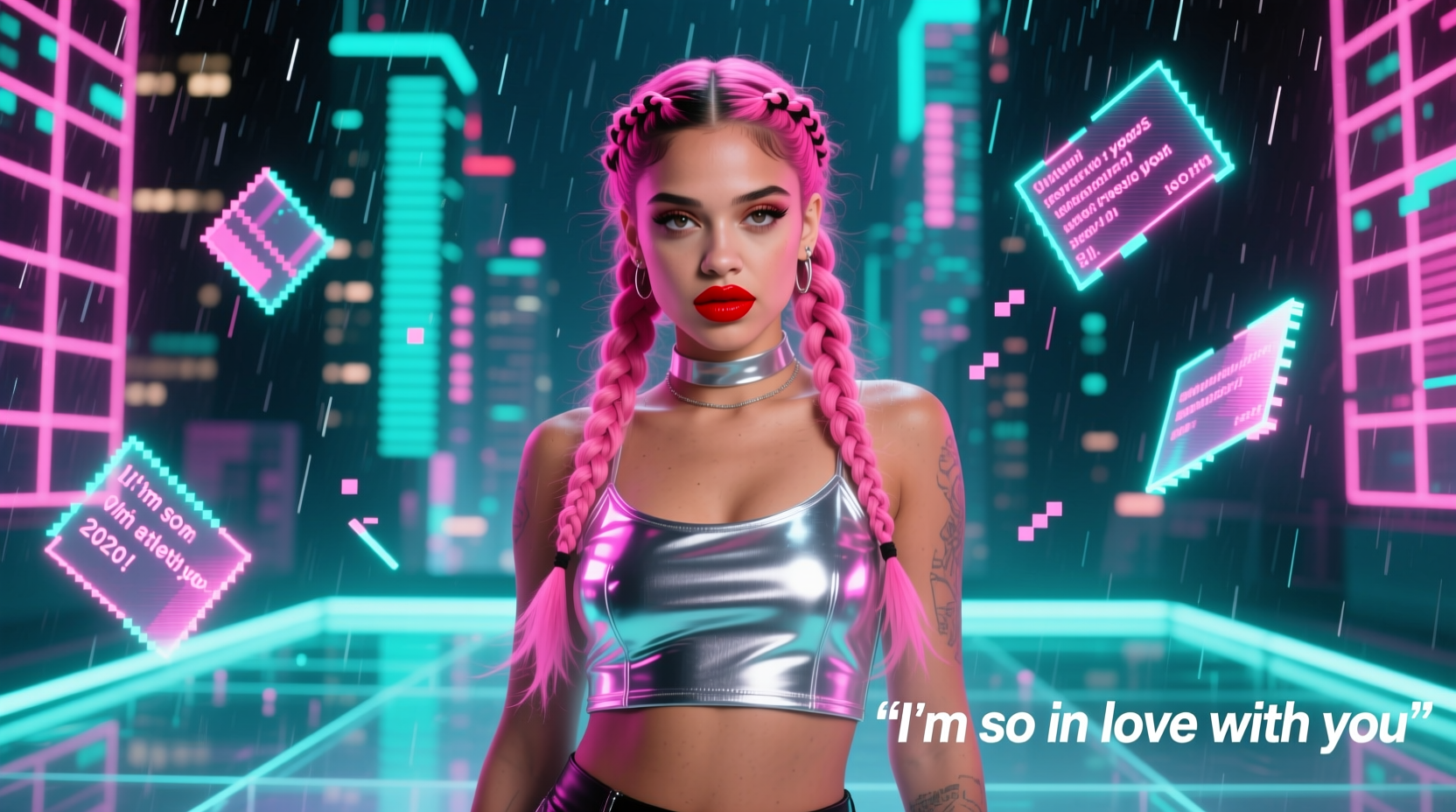
Born Charlotte Emma Aitchison in Cambridge, England, Charli XCX began writing songs at age 14 and quickly developed a sharp ear for pop hooks. By her late teens, she was uploading music to MySpace and collaborating with producers in London’s underground electronic scene. What set her apart early on wasn’t just vocal talent, but lyrical wit and a fearless embrace of synth-heavy, punk-inspired pop.
Her initial breakthrough came not as a performer, but as a songwriter. She co-wrote “I Love It” for Icona Pop in 2012—a track that became a global anthem of rebellious joy. Its success opened doors, but Charli XCX had bigger ambitions. That same year, she released her debut single “Stay Away,” followed by “Nuclear Seasons,” which earned critical acclaim for its icy production and emotionally raw lyrics.
In 2013, her major-label debut album True Romance arrived—a conceptually rich, darkly romantic synth-pop record that fused ’80s nostalgia with futuristic beats. Though it didn’t achieve blockbuster sales, it cemented her reputation as a serious artist unafraid of emotional complexity and sonic experimentation.
Breakthrough to Mainstream: The ‘Fancy’ Moment
While True Romance earned cult status, it was her feature on Iggy Azalea’s “Fancy” (2014) that catapulted her into the global spotlight. The song topped the Billboard Hot 100, received multiple Grammy nominations, and became a defining track of mid-2010s pop-rap fusion. For many, this was their first introduction to Charli XCX—but for her, it was a double-edged sword.
Suddenly labeled a “featured artist” rather than a leading pop force, she faced pressure to conform to mainstream expectations. Her sophomore album Sucker, released later that year, leaned into brash, glittery pop-punk anthems like “Break the Rules” and “Doing It.” It was a deliberate pivot toward accessibility, showcasing her ability to craft radio-ready hits while maintaining a rebellious edge.
“Sucker was me trying to be what I thought the world wanted,” she admitted in a 2019 interview with The Fader. “But it also gave me the platform to do exactly what I wanted next.”
Pioneering PC Music and the Hyperpop Movement
What followed was a radical reinvention. Teaming up with producer A.G. Cook and the experimental label PC Music, Charli XCX began deconstructing pop itself. Between 2017 and 2019, she released a series of mixtapes and EPs—Number 1 Angel, Pop 2, and Charli—that embraced maximalist production, glitchy electronics, and themes of digital identity, queer culture, and emotional vulnerability.
Tracks like “Vroom Vroom,” “Boys,” and “1999” weren’t just songs—they were statements. They rejected traditional pop structures in favor of fragmented beats, autotune-as-instrument, and collaborations with underground artists like CupcakKe, Pabllo Vittar, and Kim Petras. These releases laid the foundation for what would later be called “hyperpop”—a genre characterized by exaggerated vocals, synthetic textures, and ironic yet sincere emotional expression.
“Charli XCX didn’t just participate in the hyperpop movement—she legitimized it. She brought avant-garde ideas into the mainstream without diluting their essence.” — Dr. Lena Torres, Musicologist & Pop Culture Analyst
A Timeline of Artistic Evolution
Charli XCX’s rise can’t be measured solely by album sales or awards. It’s best understood as a timeline of bold creative turns:
- 2010–2012: Underground emergence via MySpace and indie labels; early singles showcase synth-punk influences.
- 2013: Debut album True Romance releases to critical acclaim; co-writes “I Love It” for Icona Pop.
- 2014: Breaks into mainstream with “Fancy”; releases Sucker as a polished pop-punk statement.
- 2017–2019: Collaborates with PC Music; releases experimental mixtapes that redefine pop boundaries.
- 2020: Drops how i’m feeling now, a fan-collaborative album made entirely during lockdown—recorded, produced, and promoted in real time.
- 2022: Releases Crash, a sleek, intentionally commercial album that flips the script by embracing artificiality as art.
This progression shows a rare consistency in vision: each phase builds on the last, even when it contradicts it. Where other artists might fear alienating audiences, Charli XCX uses disruption as a tool for growth.
Why She Stands Out: Authenticity in the Digital Age
In an era where social media often flattens celebrity into curated perfection, Charli XCX thrives on imperfection and intimacy. She shares studio snippets, unfinished demos, and personal reflections with fans through Discord and Twitter, blurring the line between artist and audience. Her 2020 album how i’m feeling now was created in just six weeks using fan feedback, making it one of the first truly collaborative pandemic-era records.
She also champions inclusivity. Open about her support for LGBTQ+ communities, she frequently collaborates with queer and non-binary artists and incorporates drag, ballroom, and club culture into her visuals. Her music videos are less about glamour and more about self-expression, chaos, and joy.
| Album | Style | Cultural Impact |
|---|---|---|
| True Romance (2013) | Synth-noir, cinematic pop | Reintroduced emotional depth to electronic pop |
| Sucker (2014) | Pop-punk, bratty anthems | Brought feminist rebellion to Top 40 |
| Pop 2 (2017) | Hyperpop, experimental | Defined the sound of internet-native pop |
| Crash (2022) | Glamorous, retro-futuristic | Reimagined commercialism as performance art |
Frequently Asked Questions
What was Charli XCX’s first big hit?
While “I Love It” (co-written and featured with Icona Pop) was her first international smash in 2012, her solo breakthrough came with “Boom Clap” from the The Fault in Our Stars soundtrack in 2014.
Is Charli XCX part of the hyperpop genre?
Yes—though she doesn’t label herself strictly within any genre, her work with PC Music and albums like Pop 2 and how i’m feeling now are foundational to the hyperpop movement. She’s often cited as a godmother of the genre.
How does Charli XCX involve fans in her music?
She pioneered real-time fan collaboration, especially during the creation of how i’m feeling now. Fans voted on song titles, cover art, and even contributed vocal ideas through online platforms, making them co-creators of the project.
Key Takeaways for Aspiring Artists
- Don’t wait for permission—start creating and sharing, even if it’s imperfect.
- Use commercial success as leverage for creative freedom, not as an end goal.
- Collaborate widely, especially with artists outside the mainstream.
- Embrace digital tools and fan engagement as part of your artistic process.
- Be willing to evolve—even if it means alienating some listeners temporarily.
Conclusion: More Than Just Fame—A Lasting Legacy
Charli XCX is famous not because she followed the rules, but because she rewrote them. From underground clubs to Grammy stages, from DIY recordings to high-concept albums, she has remained uncompromising in her vision. Her influence extends beyond charts: she’s inspired a generation of artists to value experimentation over polish, collaboration over control, and emotional honesty over image.
Her story proves that lasting fame in the digital age isn’t about virality—it’s about consistency, courage, and connection. Whether you discovered her through “Fancy” or “Von Dutch,” one thing is clear: Charli XCX isn’t just riding the wave of pop evolution. She’s creating it.




 浙公网安备
33010002000092号
浙公网安备
33010002000092号 浙B2-20120091-4
Comments
No comments yet. Why don't you start the discussion?