
In recent seasons, Brighton & Hove Albion and Chelsea defender Marc Cucurella has become one of the most talked-about figures in English football—not always for the right reasons. While his tenacity, work rate, and commitment on the pitch have earned praise from some, he has also drawn consistent boos from fans across stadiums in the Premier League. Whether it’s during matches at Stamford Bridge, the Amex Stadium, or opposing grounds, the sound of jeers often follows him. But why? This article breaks down the plausible explanations behind the hostility, examining everything from his transfer saga and perceived theatrics to cultural perceptions and media amplification.
The Transfer That Sparked Backlash
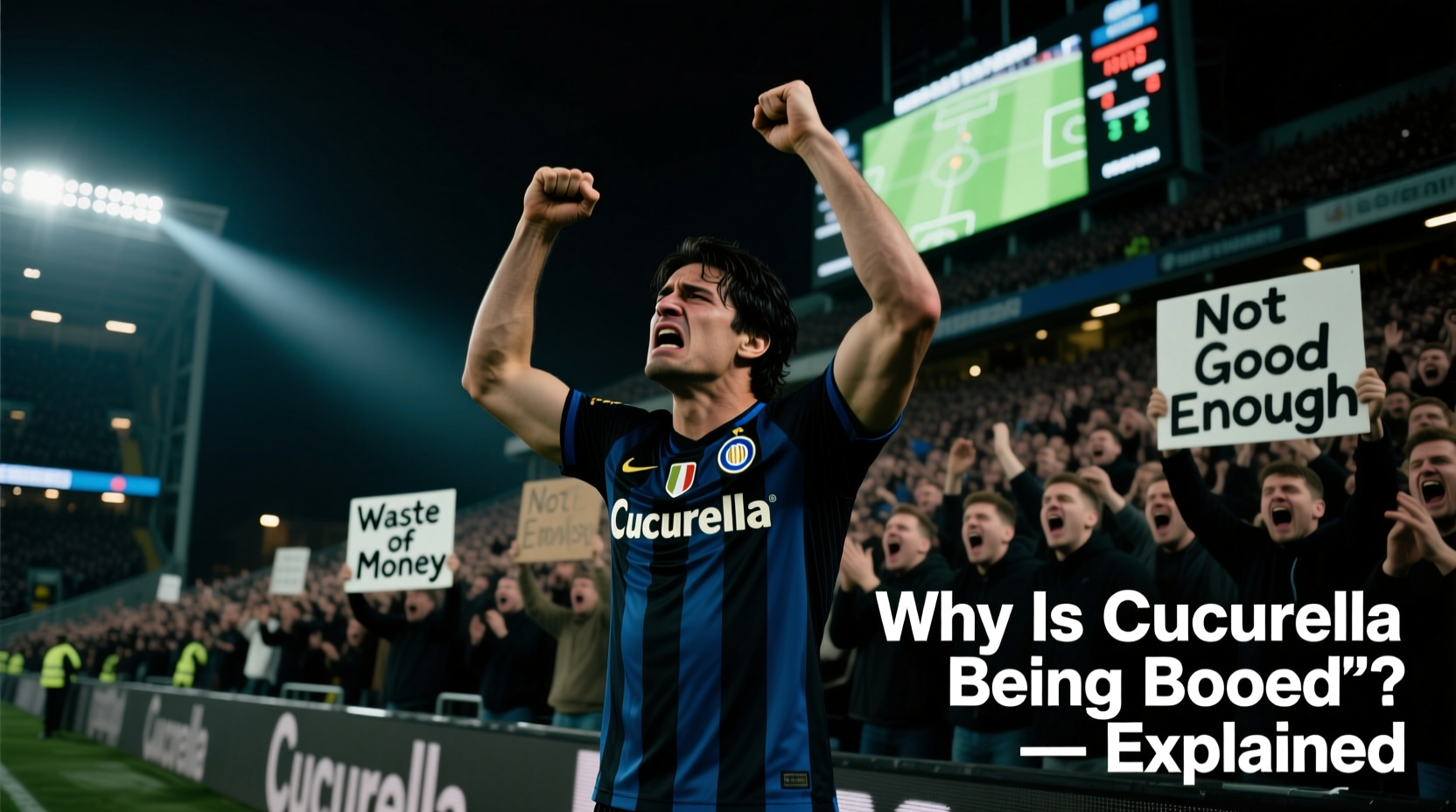
Cucurella’s move from Brighton to Chelsea in August 2022 was more than just a routine transfer—it became symbolic of deeper tensions between clubs, fans, and player loyalty. The Spanish left-back had quickly become a fan favorite at Brighton after joining in 2021. His energetic performances, relentless pressing, and emotional connection with supporters made him a standout figure in a team known for developing talent.
However, when he expressed a desire to leave after just one season—citing ambitions to play in the Champions League—many Brighton fans felt betrayed. Despite having signed a new five-year contract months earlier, Cucurella pushed for a transfer, leading to accusations of disloyalty. His public statements, including comments about wanting to “compete at the highest level,” were interpreted by some as dismissive of Brighton’s project.
Chelsea ultimately met Brighton’s £60 million valuation—a record fee for a left-back at the time—which further fueled resentment. To Seagulls supporters, it felt like their star asset was poached, not through sporting competition, but via financial muscle. As a result, Cucurella became a lightning rod for frustration, and the boos began even before he played a competitive minute for his new club.
On-Pitch Behavior and Perceived Simulation
Beyond the transfer controversy, Cucurella’s playing style has contributed significantly to the negative reception. Known for his high-intensity pressing and aggressive tackling, he frequently finds himself in physical duels. However, opponents and neutral observers alike have criticized his tendency to go down easily under minimal contact.
Replays from multiple matches show Cucurella reacting dramatically to challenges that many consider fair or only marginally questionable. While feigning injury or exaggerating contact is not unique to him, the frequency and visibility of these incidents have made him a target for criticism. Referees have occasionally penalized him for diving, reinforcing the perception.
“He’s got pace, fight, and energy—but sometimes crosses the line in how he engages with referees and opponents.” — Mark Lawrenson, BBC Sport Analyst
This behavior triggers a psychological response among rival fans. When a player is seen as trying to manipulate officials or gain unfair advantages, it breeds contempt. In football culture, authenticity and toughness are highly valued, and actions perceived as theatrical or manipulative are often punished with vocal disapproval.
Media Narratives and Public Perception
The media plays a powerful role in shaping how players are viewed. Cucurella’s flamboyant personality, distinctive appearance (including colorful hair and tattoos), and animated celebrations make him a natural focal point for cameras and headlines. While this visibility can build a positive following, it also makes him more vulnerable to scrutiny.
Broadcasters and pundits have repeatedly highlighted his confrontational moments—arguing with referees, gesturing toward the stands, or engaging in heated exchanges with opponents. These clips circulate widely on social media, often stripped of context, reinforcing a narrative of the player as petulant or overly dramatic.
Moreover, his outspoken nature in interviews has occasionally backfired. Comments such as calling Brighton’s training facilities “rubbish” compared to Chelsea’s sparked outrage among former supporters. Whether taken out of context or not, such remarks feed into the image of a player who lacks humility or appreciation for where he came from.
Fan Identity and Symbolic Resistance
Football fandom is deeply tied to identity, loyalty, and moral codes. When a player moves from a smaller, community-driven club like Brighton to a wealthy powerhouse like Chelsea, it challenges the romantic ideal of “club over cash.” For fans of mid-table teams, such transfers symbolize the growing imbalance in modern football, where financial power trumps sentiment.
Cucurella, whether fairly or not, has become a symbol of that shift. His transfer wasn’t just a personal career move—it represented a broader trend of talent drain from smaller clubs to elite spenders. By booing him, opposing fans, especially those from clubs with similar values, express resistance to what they see as the commercialization and erosion of football’s soul.
This dynamic is amplified when he returns to face Brighton. In those matches, the boos are louder, more personal, and emotionally charged. Former chants of admiration have been replaced with banners accusing him of betrayal. It’s less about his current performance and more about what he represents in the evolving landscape of English football.
A Closer Look: Key Incidents That Fueled Criticism
Several specific moments have intensified the backlash against Cucurella. Here’s a timeline of notable events:
- July 2022: Publicly requests transfer from Brighton despite signing a new contract six months prior.
- August 2022: Joins Chelsea for £60m, breaking the club’s record for a defender.
- September 2022: Receives red card against Wolves for dissent after arguing with referee.
- December 2022: Video goes viral of him rolling on the ground after light shoulder contact.
- April 2023: Makes provocative gesture toward fans during Brighton return match.
- October 2023: Accused of simulation by PGMOL after winning a penalty against Fulham.
Each incident added another layer to the narrative, making it harder for neutral observers to separate the player from the controversy.
Do’s and Don’ts: Managing Public Image in Modern Football
| Do’s | Don’ts |
|---|---|
| Express ambition respectfully | Publicly criticize former clubs’ facilities or staff |
| Engage positively with all fanbases | Make provocative gestures toward opposing supporters |
| Maintain consistency in effort on the pitch | Overreact to minor contact or challenges |
| Use media platforms to build connection | Feed controversy with inflammatory post-match comments |
FAQ: Common Questions About the Booing
Is Cucurella actually a bad player?
No. Statistically, Cucurella remains a strong defensive contributor. He ranks above average for tackles, interceptions, and pressing actions among Premier League full-backs. His work rate is consistently high. The criticism is less about ability and more about conduct and perception.
Do all fans boo him, or is it just certain clubs?
The booing is most intense from Brighton supporters and fans of clubs with similar underdog identities. However, due to his playing style and media portrayal, he draws negative reactions from many opposing crowds, particularly when involved in contentious incidents.
Has Cucurella apologized or addressed the backlash?
He has acknowledged the difficulty of facing Brighton again but has stood by his decision to join Chelsea for professional growth. He has not issued a formal apology, which some interpret as defiance, while others see it as self-assurance.
Conclusion: Understanding the Bigger Picture
The boos directed at Marc Cucurella are not simply about one player’s actions. They reflect broader tensions in modern football—between loyalty and ambition, emotion and professionalism, small clubs and financial giants. While some of the criticism may be exaggerated or unfairly targeted, the underlying sentiments are real and rooted in fan culture.
For players in similar positions, the lesson is clear: public perception matters as much as performance. How a player handles transitions, speaks about former clubs, and comports themselves on the pitch can have lasting consequences. Cucurella’s journey serves as a case study in the complexities of fame, identity, and accountability in the spotlight.




 浙公网安备
33010002000092号
浙公网安备
33010002000092号 浙B2-20120091-4
Comments
No comments yet. Why don't you start the discussion?