
Deadpool has become one of the most iconic antiheroes in modern cinema, known for his irreverent humor, relentless action, and unapologetic adult content. Since the first standalone film in 2016, audiences have embraced the character’s chaotic charm—but also noticed something different: unlike most superhero movies, Deadpool carries an R rating. This designation restricts viewers under 17 without a parent or guardian and sets the film apart from typical Marvel fare. But what exactly earns Deadpool this mature classification? The answer lies in a deliberate mix of graphic violence, pervasive language, sexual content, and dark humor that together create a viewing experience unsuitable for younger audiences.
The MPAA Rating System and What “R” Means
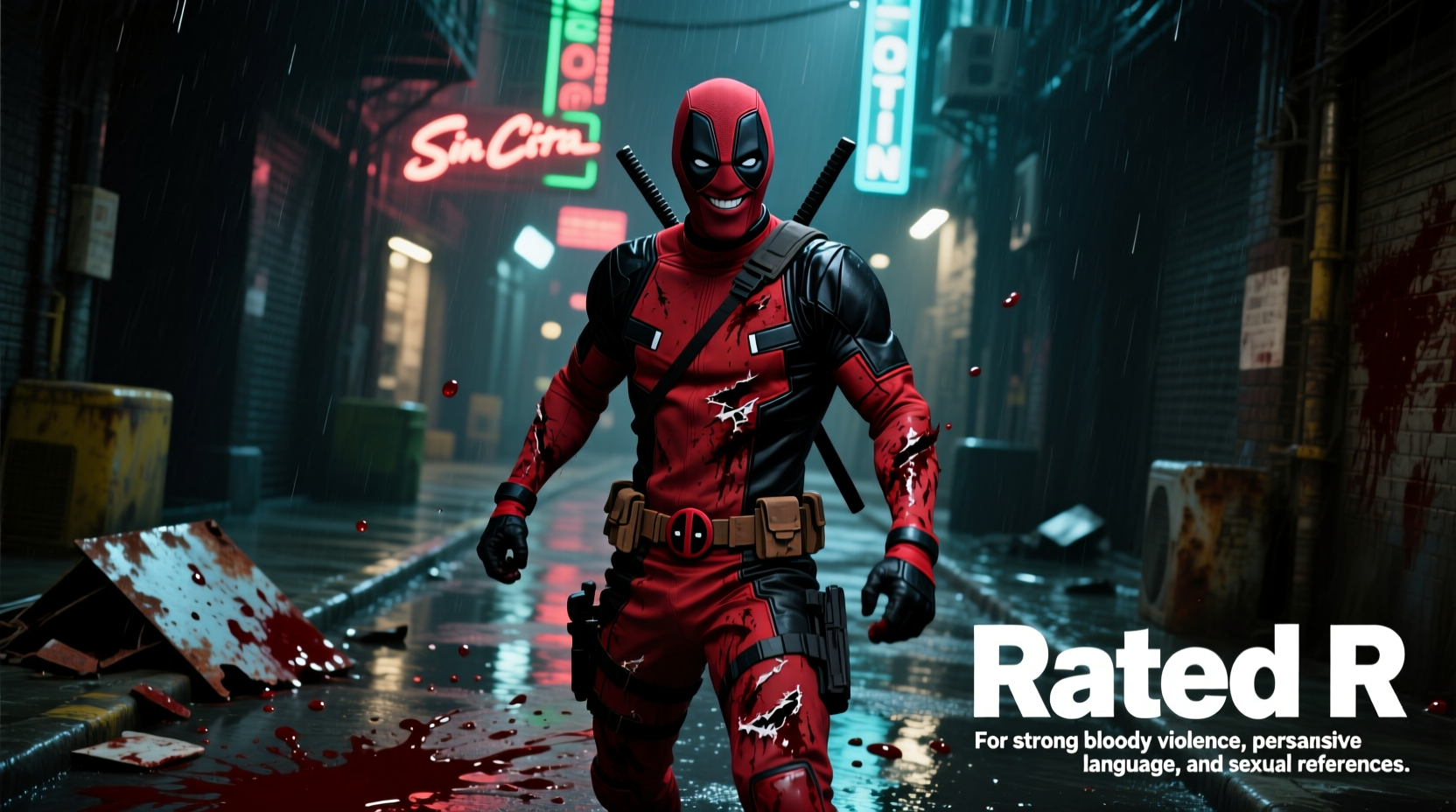
The Motion Picture Association of America (MPAA) assigns film ratings to guide parents and audiences on content suitability. An “R” rating—meaning “Restricted”—indicates that some material may be inappropriate for children under 17. According to the MPAA, such films typically include:
- Strong bloody violence
- Pervasive language
- Sexual content
- Drug use
- Mature thematic elements
While many superhero films aim for a PG-13 rating to maximize box office reach, Deadpool made a bold creative decision to embrace its R-rated roots from the comics. Director Tim Miller and star Ryan Reynolds fought for years to preserve the character’s authentic tone, knowing that sanitizing it would undermine what fans loved most.
“We didn’t want a watered-down version. Deadpool is crude, violent, and self-aware. To make him anything less would’ve been a disservice.” — Ryan Reynolds, Actor and Producer
Graphic and Prolonged Violence
One of the primary reasons for Deadpool’s R rating is its extreme and stylized violence. Unlike traditional superhero battles that often feature choreographed but bloodless fights, Deadpool revels in gore. Limbs are severed, heads explode, and enemies are eviscerated with exaggerated detail. The camera lingers on these moments, often accompanied by comedic narration from Deadpool himself.
In the original 2016 film, the opening sequence alone features:
- A high-speed car crash with multiple fatalities
- Close-up shots of impalement and dismemberment
- Blood splatter used as a visual punchline
- Slow-motion depictions of bullet impacts tearing through bodies
The sequel, *Deadpool 2* (2018), escalates this further with scenes like the brutal death of X-Force members during a parachute jump—each demise more absurd and gory than the last. One team member is instantly decapitated; another gets crushed by a falling van. While played for laughs, the level of carnage exceeds what is acceptable under PG-13 guidelines.
Pervasive Strong Language and Crude Humor
No discussion of Deadpool’s R rating is complete without addressing its relentless use of profanity. The script is packed with F-bombs, vulgar insults, and sexually explicit jokes delivered at rapid-fire pace. In fact, the first film contains over 150 uses of the F-word—a number far beyond the usual threshold for a PG-13 film, which typically allows only one non-sexual use.
The humor frequently crosses into offensive territory, mocking race, gender, sexuality, and pop culture with zero filter. For example:
- Deadpool refers to himself as a “genetically modified testicle”
- He mocks Colossus by calling him “Metal Jesus” and makes jokes about his Russian heritage
- There are repeated references to anal bleaching, masturbation, and erectile dysfunction
This brand of humor isn’t accidental—it’s central to the character’s identity. As a fourth-wall-breaking mercenary who knows he’s in a movie, Deadpool uses shock value to subvert expectations and challenge cinematic norms.
Sexual Content and Nudity
Another major contributor to the R rating is the film’s inclusion of sexual content and partial nudity. While not pornographic, the films feature several scenes that push boundaries:
- A prolonged sex scene between Deadpool and Vanessa (Morena Baccarin) that includes moaning, thrusting, and dialogue about performance anxiety
- Deadpool appearing fully nude in the final act, with his genitals strategically obscured by objects (a comedic device, but still explicit)
- Jokes about threesomes, bondage, and STDs
- Visual gags involving genital injury and enhancement
These moments are designed to provoke laughter through discomfort, but they clearly fall outside the bounds of family-friendly entertainment. The MPAA consistently flags such content when determining ratings, especially when combined with other mature elements.
Comparison: Deadpool vs. Other Superhero Films
| Film | MPAA Rating | Violence Level | Language | Sexual Content |
|---|---|---|---|---|
| Deadpool (2016) | R | Extreme, bloody, stylized | Pervasive strong language | Explicit scenes and nudity |
| Deadpool 2 (2018) | R | Even more graphic than first film | Over 200 F-words | Additional sexual humor and partial nudity |
| Spider-Man: Homecoming | PG-13 | Moderate, no blood/gore | Occasional mild swearing | Minimal; kissing only |
| Thor: Ragnarok | PG-13 | Cartoonish action | Some sarcasm and light insults | None |
| Logan (2017) | R | Brutal, realistic violence | Frequent strong language | Minimal sexual content |
As shown, Deadpool stands out even among other R-rated superhero films like *Logan*, due to its combination of all three key factors: violence, language, and sexual content. While *Logan* earned its R rating primarily through intense violence and emotional weight, Deadpool uses all tools available to maintain its edgy, adult-oriented tone.
Real-World Impact: Why the R Rating Was a Strategic Move
Despite concerns that an R rating would limit audience size and box office potential, the decision paid off handsomely. The first *Deadpool* film grossed over $780 million worldwide on a $58 million budget—making it one of the most profitable R-rated films ever. Audiences responded positively to the authenticity and maturity of the storytelling.
Mini Case Study: The Marketing Campaign That Embraced the R
Leading up to the 2016 release, the marketing team leaned heavily into the R-rated aspect. Trailers featured red text warnings, fake public service announcements (“This film is not suitable for anyone”), and humorous disclaimers. One viral ad portrayed Deadpool handing out “Get Out of Jail Free” cards to teens attempting to buy tickets. This self-aware campaign resonated with adults who appreciated being treated like grown-ups—and helped build massive anticipation.
The success proved that niche, mature superhero stories could thrive commercially, paving the way for future R-rated entries like *The Suicide Squad* (2021) and *Blade* (upcoming).
FAQ: Common Questions About Deadpool’s R Rating
Can kids watch Deadpool if a parent is with them?
Yes, the R rating allows viewers under 17 to attend with a parent or guardian. However, parents should consider whether the extreme violence, constant swearing, and sexual humor are appropriate for their child—even with supervision.
Is Deadpool more violent than horror movies?
Not necessarily in terms of realism, but the frequency and presentation of violence are comparable. While horror films rely on fear, Deadpool uses violence as comedy. The impact can still be disturbing, especially for younger or sensitive viewers.
Will future Deadpool films stay R-rated?
All signs point to yes. With Disney’s acquisition of Fox, there was initial speculation that Deadpool might be toned down for broader appeal. However, Kevin Feige confirmed that future installments, including *Deadpool & Wolverine* (2024), will retain the R rating to preserve creative integrity.
Conclusion: Embracing the Edge
The R rating of Deadpool isn’t a flaw—it’s a feature. It reflects a commitment to staying true to the character’s comic origins and delivering a unique experience in a genre often constrained by corporate caution. From bone-crunching fight scenes to boundary-pushing jokes, every element contributes to a film that knows exactly who it’s for: adults seeking a superhero story with teeth, heart, and a whole lot of swearing.
Understanding why Deadpool is rated R helps viewers make informed choices and appreciate the creative risks behind the mask. Whether you're a longtime fan or new to the Merc with a Mouth, recognizing the intent behind the rating deepens your appreciation for what makes this franchise so distinct.




 浙公网安备
33010002000092号
浙公网安备
33010002000092号 浙B2-20120091-4
Comments
No comments yet. Why don't you start the discussion?