
Elden Ring has captivated millions with its vast open world, intricate lore, and deep combat mechanics. But for many newcomers, it quickly becomes clear: this game is punishingly difficult. Enemies strike fast, mistakes are costly, and death comes often. Unlike most modern action RPGs, Elden Ring doesn’t hold your hand. It expects you to learn through trial, error, and observation. For players unfamiliar with FromSoftware’s design philosophy—popularized in Dark Souls and Sekiro—this can feel overwhelming. Yet, beneath the frustration lies a deeply rewarding experience. Understanding why Elden Ring is hard isn’t just about accepting challenge; it’s about learning how to grow stronger within its systems.
The Design Philosophy Behind the Difficulty
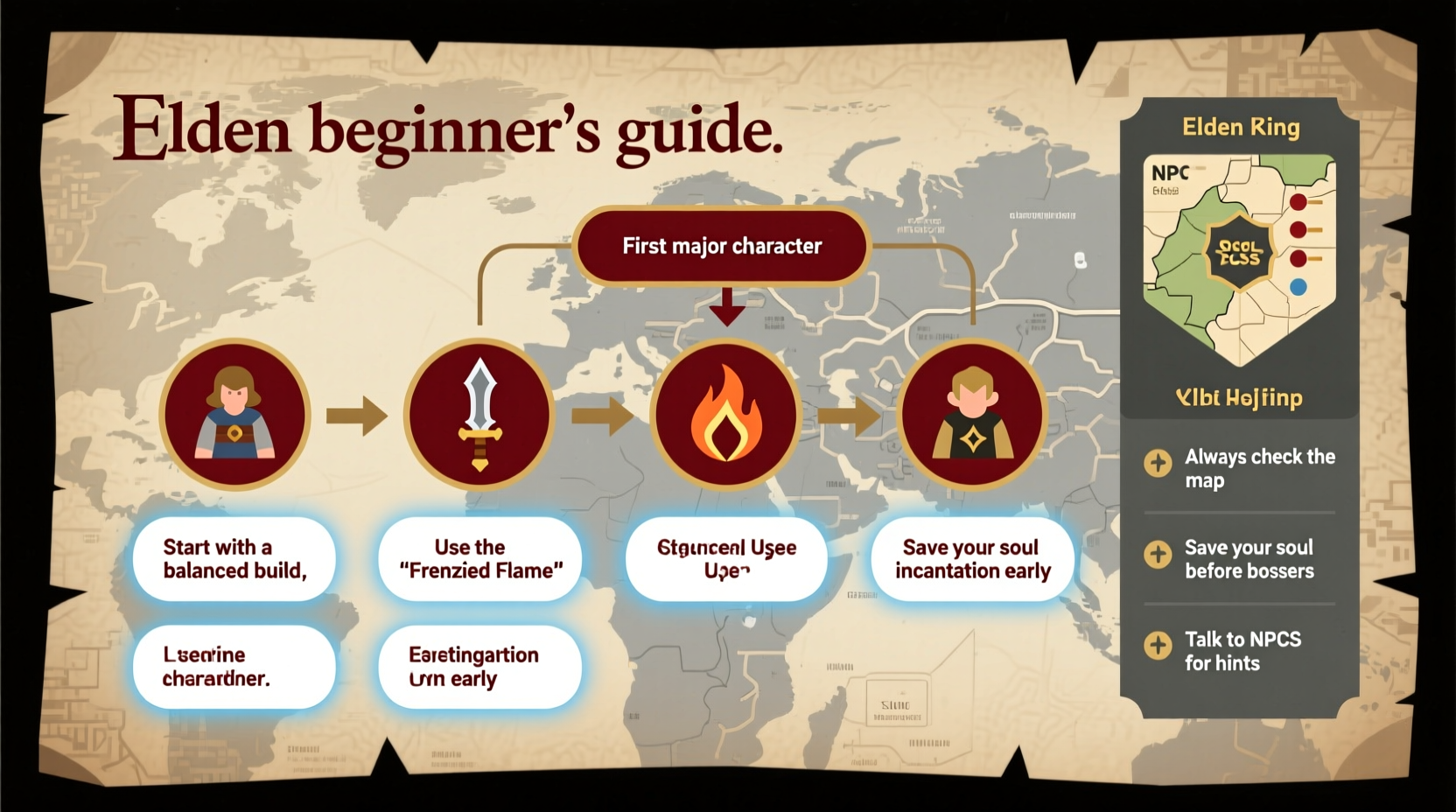
Elden Ring follows a tradition established by Hidetaka Miyazaki and FromSoftware: games that emphasize player growth over character progression. In most mainstream titles, leveling up makes enemies easier. In Elden Ring, levels help—but skill, positioning, timing, and knowledge matter far more. The game is designed around deliberate pacing. Every enemy teaches something: attack patterns, range, tells, and weaknesses. Victory comes not from grinding stats, but from adapting and improving as a player.
This approach fosters a sense of accomplishment that few other games match. Beating a boss after dozens of attempts feels earned because it reflects real improvement. However, this also means early experiences can be brutal. New players often lack the muscle memory and situational awareness needed to survive even basic encounters.
“Difficulty in our games is not meant to frustrate, but to create meaningful triumph.” — Hidetaka Miyazaki, Game Director at FromSoftware
Core Reasons Why Elden Ring Feels So Hard
The challenge isn’t arbitrary. Several interconnected design elements contribute to the steep learning curve:
- Limited Healing Resources Early On: Flask charges are scarce at first, forcing players to manage health carefully and avoid unnecessary fights.
- No Map Markers or Quest Arrows: The game rarely tells you where to go. Exploration requires attention to environmental cues and dialogue hints.
- High-Stakes Combat Mechanics: Stamina management, precise dodging, and posture damage play crucial roles. One mistimed roll can lead to a fatal combo.
- Enemy Placement and Ambushes: Many foes are positioned to catch players off guard, especially in narrow corridors or behind fog gates.
- Minimal Tutorialization: Core mechanics like parrying, jump attacks, and guard counters are introduced subtly—if at all.
Essential Tips for Beginners to Survive and Progress
Surviving Elden Ring isn’t about brute-forcing your way forward. It’s about adopting smart habits and respecting the world’s dangers. Here are key strategies every new Tarnished should internalize:
- Explore Instead of Charging Forward: The Lands Between rewards curiosity. Hidden paths, caves, and items are often tucked away from main roads. Exploring helps you find better gear, FP (Focus Points) for spells, and summoning sites.
- Use Spirit Ashes Early: After defeating Margit, you gain access to Spirit Ashes—summonable allies that distract enemies and take damage for you. Even weak ones like Mimic Tear or Lone Wolf offer critical breathing room during tough fights.
- Learn Enemy Attack Patterns: Most enemies have predictable movesets. Watch their wind-ups, ranges, and recovery times. Dodge only when necessary, and always roll away from danger—not into walls or corners.
- Upgrade Your Flask of Crimson Tears: Increasing healing capacity is one of the fastest ways to improve survivability. Seek out Sacred Tears hidden across the map to boost your flasks.
- Don’t Ignore Stealth: Crouching reduces detection range. Some enemies won’t notice you until you’re close. Use stealth to reposition, avoid fights, or get a backstab advantage.
| Mistake | Consequence | Solution |
|---|---|---|
| Spamming light attacks | Stamina depletion, opening for counterattacks | Limit to 2–3 hits, then retreat or block |
| Rolling toward enemies | Gets caught mid-roll due to poor frame timing | Roll diagonally or backward to create distance |
| Ignoring status effects | Falling victim to bleed, frostbite, or sleep | Equip resistant armor or talismans like Clarifying Crystal |
| Skipping checkpoints (Sites of Grace) | Losing progress after death | Activate every Site of Grace before engaging bosses |
A Step-by-Step Guide to Your First 10 Hours
Starting strong sets the tone for your entire journey. Follow this timeline to build confidence and resources without getting overwhelmed.
- Complete the Starting Zone (Limgrave): Focus on reaching the Church of Elleh. Speak to Melina, rest at the Site of Grace, and receive your horse, Torrent.
- Visit the Church of Vows: Located northeast of Church of Elleh. Exchange Runes for healing items and upgrade materials. Stock up on Small Golden Runes.
- Clear Minor Threats: Defeat Godrick Soldiers and weaker creatures to level up at Sites of Grace. Aim for 20 Vigor early for extra health.
- Explore Cave Dungeons: Enter the Agheel Lake South Mine or Murkwater Cave. These teach basic dungeon navigation and yield useful loot like weapons and crafting materials.
- Challenge a Mid-Tier Boss: Before facing Margit, fight Patches in Stormveil Castle if possible. He drops valuable items and teaches castle traversal.
- Prepare for Margit: Upgrade your weapon using Smithing Stones found in fields. Equip a shield with high stability. Bring plenty of healing and optional Spirit Ashes.
- Defeat Margit, the Fell Omen: This unlocks the ability to summon spirits. Don’t rush—learn his phases and dodge his grab attacks.
- Open New Areas: After Margit, explore Liurnia of the Lakes. It offers diverse enemies, spell schools, and easier progression paths than northern Limgrave.
- Learn Magic or Alternative Builds: Visit Raya Lucaria Academy or speak to sorcerers like Kaleg. Even non-casters benefit from utility spells like Glintstone Pebble for kiting.
- Join a Multiplayer Sign Covenant: Fingerslayer Hero summons invade you later. Join the Warriors of Shadows covenant to control invasions and earn unique rewards.
Real Example: How One Beginner Turned Around Their Experience
Mark, a casual gamer used to story-driven RPGs, picked up Elden Ring expecting exploration and narrative. Within two hours, he had died over 30 times—mostly to basic soldiers and fall damage. Frustrated, he nearly quit. But after watching a short video on stamina management, he changed his approach.
Instead of attacking recklessly, he started observing enemies. He learned that most humanoid foes pause briefly after two swings. By dodging only when needed and retreating after two hits, he conserved stamina and avoided fatal combos. He also began exploring side paths, finding a Greataxe in a cave that one-shotted early enemies.
Within five more hours, Mark defeated Margit. Not because he leveled excessively, but because he adapted. His turning point wasn’t gear—it was patience and pattern recognition. Today, he’s completed the game twice and recommends starting with faith builds for healing miracles.
Checklist: Must-Know Basics Before Advancing
- ✅ Understand stamina usage: Attacking, blocking, dodging, and rolling consume stamina.
- ✅ Learn the difference between i-frames (invincibility frames) in rolls vs. jumps.
- ✅ Know how to perform a guard counter: Block an attack, then press attack immediately.
- ✅ Identify enemy telegraphs: Large wind-ups mean heavy attacks; quick steps mean lunges.
- ✅ Use the environment: Lure enemies into terrain hazards or narrow spaces.
- ✅ Upgrade your weapon regularly—don’t rely solely on level scaling.
- ✅ Save Spirit Ashes for tough bosses or areas with multiple enemies.
- ✅ Check behind you frequently—backstabs are deadly, and invaders appear silently.
Frequently Asked Questions
Is Elden Ring harder than Dark Souls?
It depends. Elden Ring offers more freedom—players can often avoid tough enemies or come back later with better gear. However, some late-game bosses exceed Dark Souls in complexity. Overall, Elden Ring is more accessible due to open-world progression, but still brutally challenging.
Do I need to beat every boss to finish the game?
No. While major story bosses are required, many optional bosses exist for loot and lore. You can technically reach the final area with minimal completion, though preparation improves survival odds significantly.
Can I play effectively with a controller?
Absolutely. Most players use controllers. The key is mastering input timing—especially for dodges and weapon arts. Practice in low-risk areas first to build rhythm.
Final Thoughts: Embracing the Challenge
Elden Ring isn’t hard to exclude players—it’s hard to reward them. Each death teaches something. Each victory proves growth. The feeling of conquering a boss that once seemed impossible is unmatched in gaming. For beginners, the path is steep, but never insurmountable. Success comes not from avoiding failure, but from learning through it.
You don’t need to be the best player to enjoy Elden Ring. You just need persistence, curiosity, and a willingness to adapt. Start small. Master one mechanic at a time. Celebrate minor wins. Before long, you’ll look back at your first hour and marvel at how far you’ve come.




 浙公网安备
33010002000092号
浙公网安备
33010002000092号 浙B2-20120091-4
Comments
No comments yet. Why don't you start the discussion?