
Every year, over 100 billion garments are produced globally—more than at any point in human history. Behind this staggering number lies a system designed for speed, low cost, and constant turnover: fast fashion. While consumers enjoy trendy clothes at bargain prices, the environmental toll of this model is immense. The damage isn’t isolated to one stage; it permeates every link of the supply chain, from cotton fields and textile mills to shipping routes and landfills. Understanding how each phase contributes to ecological degradation reveals why fast fashion is one of the most unsustainable industries on the planet.
The Lifecycle of a Fast Fashion Garment
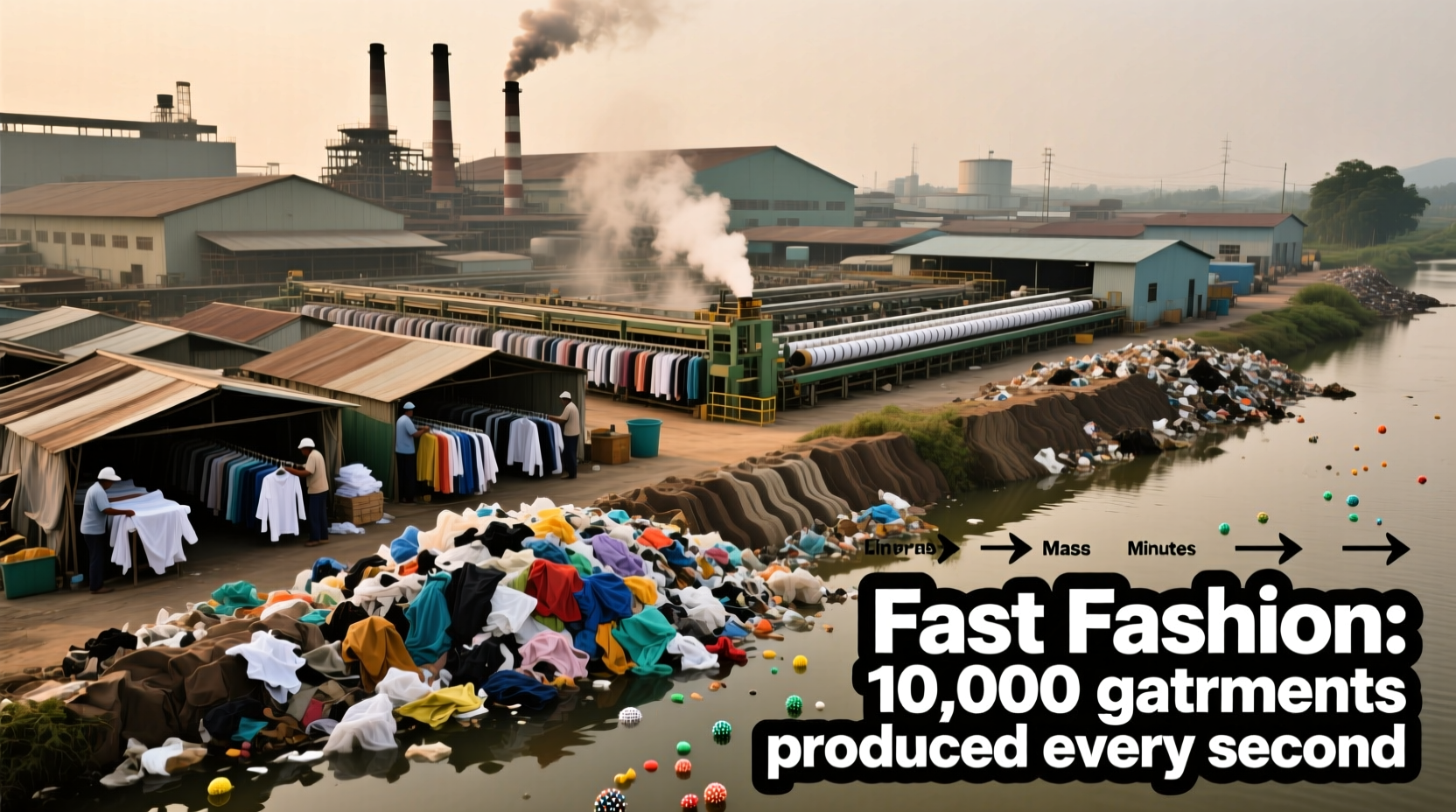
A typical garment in a fast fashion cycle moves rapidly from concept to consumer. Designers copy runway trends, factories produce in bulk within weeks, and retailers push items online and in stores with aggressive marketing. But before that shirt or dress reaches a shopping cart, it has already traveled thousands of miles and consumed vast resources. The journey begins long before retail, starting with raw material extraction and ending with disposal—often within months of purchase.
This accelerated lifecycle bypasses durability, ethical labor practices, and environmental responsibility. Each stage—from fiber production to manufacturing, distribution, use, and disposal—contributes significantly to pollution, carbon emissions, water depletion, and waste accumulation.
1. Raw Material Extraction: The Hidden Cost of Fabric
Most fast fashion garments rely on synthetic fibers like polyester or natural ones like conventional cotton. Both come with heavy environmental footprints.
- Polyester: Derived from fossil fuels, polyester accounts for about 60% of all clothing. Its production emits significant greenhouse gases and requires large amounts of energy. Moreover, every time a polyester garment is washed, it sheds microplastics—tiny plastic fibers that end up in oceans and enter the food chain.
- Cotton: Though natural, conventional cotton farming uses excessive water and pesticides. It takes an estimated 2,700 liters of water to produce just one cotton t-shirt—equivalent to what one person drinks over three years. Pesticides used in cotton farming contaminate soil and waterways, harming ecosystems and farmworkers alike.
- Viscose and Rayon: Made from wood pulp, these semi-synthetic fabrics often come from ancient and endangered forests. Deforestation for fabric production threatens biodiversity and increases carbon emissions.
2. Manufacturing: Pollution Hotspots in Textile Mills
Garment manufacturing is concentrated in countries like Bangladesh, Vietnam, India, and China, where labor is cheap and environmental regulations are weak. In these regions, textile factories release untreated wastewater into rivers, contaminating drinking water and killing aquatic life.
Dyeing and finishing processes are especially toxic. Over 8,000 synthetic chemicals are used in textile treatment, many of which are carcinogenic or non-biodegradable. For example, azo dyes release harmful aromatic amines, while formaldehyde is used to prevent wrinkling but poses health risks to workers and wearers.
“Textile dyeing is the second-largest polluter of clean water globally, after agriculture.” — World Bank
In addition to chemical pollution, manufacturing consumes massive amounts of energy. Most factories rely on coal-powered grids, contributing heavily to CO₂ emissions. A single polyester blouse may generate up to 5.5 kg of CO₂ during production—comparable to driving a car for 20 kilometers.
3. Global Distribution: The Carbon Footprint of Speed
Fast fashion thrives on rapid turnover. To keep shelves stocked with new styles every few weeks, brands ship garments across continents using air freight, trucks, and cargo ships—all major sources of greenhouse gas emissions.
Air freight, though expensive, is frequently used to expedite delivery. It emits up to 50 times more CO₂ per ton-kilometer than sea freight. When a trendy dress travels from a factory in Dhaka to a store in London via air, its carbon footprint skyrockets—even before it’s worn once.
Moreover, packaging adds to the burden. Plastic polybags, cardboard boxes, and hangers generate waste at distribution centers and retail locations. E-commerce amplifies this issue with individual shipments, return logistics, and excess packaging.
4. Consumer Use: Short Lifespan and High Waste
The average consumer now buys 60% more clothing than they did 20 years ago—but keeps each item half as long. Fast fashion garments are designed for short-term use, often wearing out after only 10 wears. This throwaway culture drives overconsumption and waste.
Washing synthetic clothes releases microfibers. A single load of laundry can shed hundreds of thousands of microplastics, which pass through wastewater treatment plants and end up in rivers, lakes, and oceans. Marine animals ingest these particles, and they eventually make their way into the human food supply.
Additionally, frequent washing consumes water and energy. Heating water for laundry accounts for nearly 90% of the energy used in washing machines. With billions of garments being laundered weekly, the cumulative effect is enormous.
5. End-of-Life: Landfills and Incineration
Less than 1% of clothing is recycled into new garments. The rest ends up in landfills or is incinerated. In the U.S. alone, about 11 million tons of textiles are discarded annually—roughly 85% of all clothing produced.
Synthetic fabrics like polyester can take up to 200 years to decompose. As they break down, they leach chemicals and microplastics into soil and groundwater. Incineration releases toxic fumes and CO₂, contributing to air pollution and climate change.
Even donated clothes often meet a grim fate. Only a small fraction is resold locally; much of it is shipped to developing countries, overwhelming local markets and creating “clothing graveyards” in places like Ghana’s Kantamanto Market, where 40% of imported secondhand clothes are too damaged to sell and are dumped.
Environmental Impact by the Numbers
| Impact Area | Statistic | Source |
|---|---|---|
| Global Carbon Emissions | Fashion industry produces 10% of global CO₂ emissions | UNEP |
| Water Consumption | Textile production uses ~93 billion cubic meters of water/year | Ellen MacArthur Foundation |
| Microplastic Pollution | 35% of ocean microplastics come from synthetic textiles | IUCN |
| Waste Generation | One garbage truck of textiles is landfilled or burned every second | Ellen MacArthur Foundation |
| Chemical Use | 20% of industrial water pollution stems from textile treatment | World Bank |
Mini Case Study: H&M’s Conscious Collection – Greenwashing or Progress?
In 2010, H&M launched its “Conscious Collection,” promoting clothes made from organic cotton and recycled polyester. Advertisements emphasized sustainability, encouraging customers to “close the loop” by recycling old garments in-store.
However, investigations revealed contradictions. Despite the eco-friendly branding, H&M continued producing over 3 billion garments annually—up from 600 million in 2004. Internal documents showed strategies focused on increasing volume, not reducing environmental harm. The brand also burned unsold inventory worth millions, undermining its recycling claims.
This case illustrates a broader trend: many fast fashion brands adopt sustainability initiatives as marketing tools without transforming their core business models. Without systemic changes—such as slowing production, improving worker conditions, and designing for longevity—eco-collections remain marginal efforts overshadowed by ongoing environmental damage.
Step-by-Step Guide: How to Break Free from Fast Fashion
Reducing your environmental impact starts with mindful consumption. Follow these steps to shift toward a more sustainable wardrobe:
- Assess Your Wardrobe: Take inventory of what you own. Identify gaps and prioritize quality over quantity.
- Buy Less, Choose Well: Invest in timeless pieces made from durable, sustainable materials.
- Support Ethical Brands: Research companies that prioritize transparency, fair labor, and circular design.
- Care for Clothes Properly: Wash less frequently, use cold water, and air-dry to extend garment life.
- Repair and Upcycle: Mend tears, replace buttons, or transform old clothes into new items.
- Resell or Donate Responsibly: Sell wearable clothes on secondhand platforms. Avoid dumping unusable textiles in donation bins.
- Advocate for Change: Support policies that regulate textile waste, promote extended producer responsibility, and protect garment workers.
Checklist: Building a Sustainable Wardrobe
- ☐ Audit your current clothing and identify true needs
- ☐ Set a monthly clothing budget (including $0 if needed)
- ☐ Research brands’ sustainability reports and certifications (e.g., GOTS, Fair Trade)
- ☐ Choose natural or recycled fibers over virgin synthetics
- ☐ Wash clothes in cold water and only when necessary
- ☐ Use a microfiber filter in your washing machine
- ☐ Learn basic sewing skills for repairs
- ☐ Participate in clothing swaps or rent special occasion outfits
- ☐ Recycle unwearable textiles through proper programs (not donation bins)
- ☐ Share your journey to inspire others
Expert Insight: The Need for Systemic Change
“The problem isn’t just consumer behavior—it’s an entire system built on overproduction and planned obsolescence. True sustainability requires rethinking how we design, make, and value clothes.” — Dr. Lucy Norris, Textile Waste Researcher, University of the Arts London
Experts agree that individual actions, while important, cannot offset the scale of industrial harm. Real progress demands policy intervention, corporate accountability, and innovation in materials and recycling technologies. Governments must enforce stricter environmental standards, ban the destruction of unsold goods, and incentivize circular business models. Brands must move beyond token sustainability lines and embrace slower, transparent production cycles.
FAQ
Is secondhand shopping always better for the environment?
Generally, yes. Buying used clothing extends the life of garments and reduces demand for new production. However, the growing export of low-quality secondhand clothes to developing nations can create waste problems abroad. To maximize benefit, buy locally, choose durable items, and avoid supporting overconsumption even in thrift markets.
Can recycled fabrics solve the fast fashion problem?
Recycled materials like rPET (recycled polyester) reduce reliance on virgin resources and lower carbon emissions. However, recycling technology is still limited. Mechanical recycling degrades fiber quality, and chemical recycling is expensive and rare. Plus, recycled garments still shed microplastics. Recycling should complement, not replace, reduction and reuse.
How can I tell if a brand is truly sustainable?
Look for third-party certifications (e.g., B Corp, GOTS, Fair Wear), detailed supply chain disclosures, and evidence of long-term commitments—not just seasonal campaigns. Be wary of vague terms like “eco-friendly” or “green” without proof. Transparent pricing and worker partnerships are strong indicators of genuine sustainability.
Conclusion: Rethinking Fashion for a Healthier Planet
The fast fashion supply chain is a complex web of environmental exploitation—from poisoned rivers and carbon-spewing factories to overflowing landfills and microplastic pollution. Its business model depends on treating clothes as disposable, ignoring the true cost of cheap trends. But awareness is growing, and change is possible.
By understanding the journey of a garment, consumers can make informed choices that challenge the status quo. Every decision—to repair instead of replace, to buy less, to support ethical makers—sends a message. Combined with advocacy and policy reform, these actions can help build a fashion industry that values people and the planet over profit.




 浙公网安备
33010002000092号
浙公网安备
33010002000092号 浙B2-20120091-4
Comments
No comments yet. Why don't you start the discussion?