
The term \"honeymoon\" evokes images of tropical beaches, romantic getaways, and blissful newlywed days. But long before Instagram-worthy vacations became the norm, the word carried a far more literal—and even medicinal—meaning. Today’s post-wedding trips are rooted in centuries-old customs that blended symbolism, survival, and superstition. Understanding the origin of “honeymoon” reveals how cultural beliefs about love, fertility, and transition have shaped one of the most cherished traditions in marriage.
Ancient Roots: The \"Honey Month\" Tradition
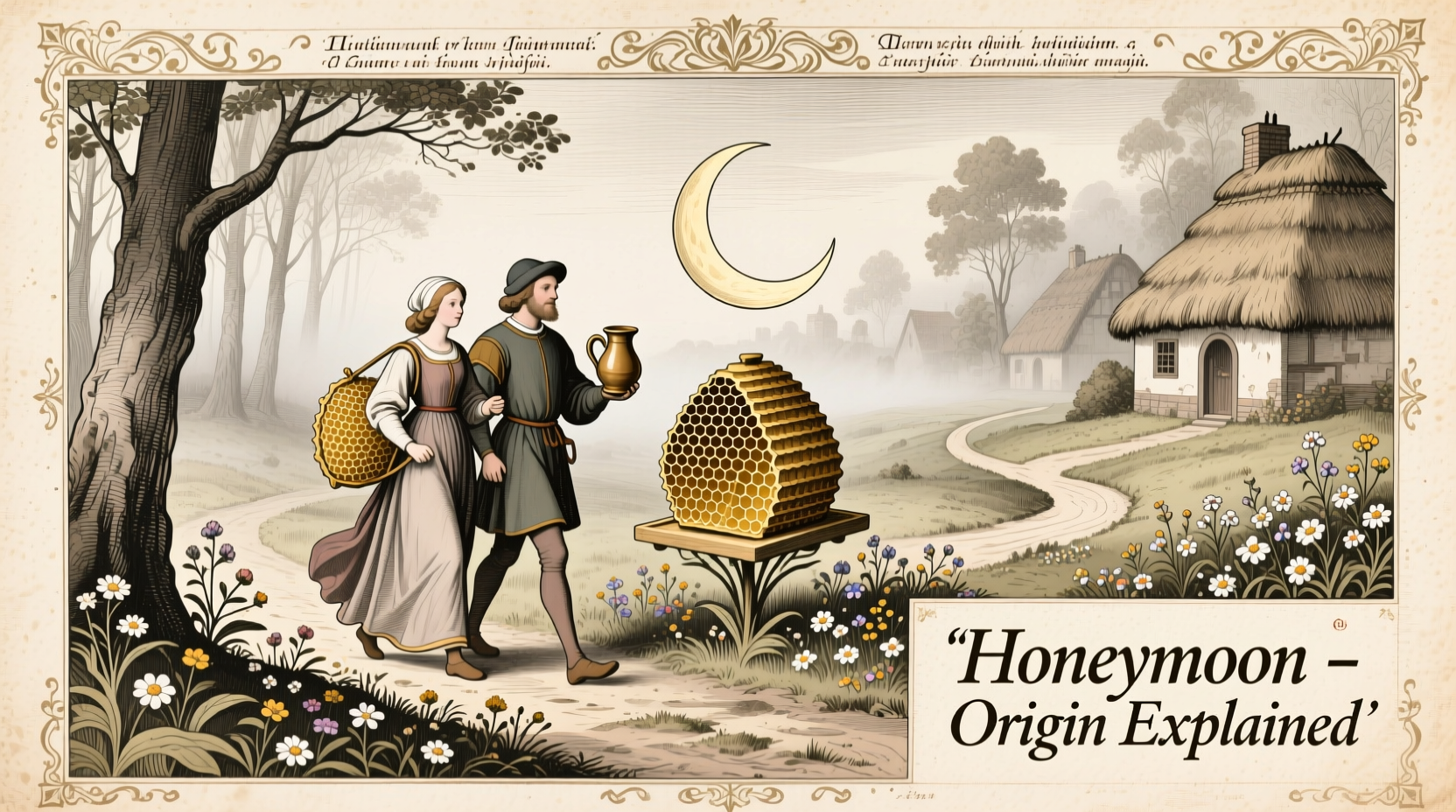
The phrase “honeymoon” dates back over a thousand years, with its earliest known usage appearing in 16th-century texts. However, the concept predates the English language itself. In medieval Europe, particularly among Germanic tribes like the Teutons, newly married couples would drink mead—a fermented beverage made from honey and water—for an entire month after their wedding.
This period, lasting approximately one lunar cycle (about 28 days), was referred to as the “honey month.” Mead was not just a celebratory drink; it was believed to possess aphrodisiac qualities and promote fertility. Given that marriages were often arranged for political or economic alliances, ensuring a swift conception was considered vital for securing lineage and legitimacy.
The timing was deliberate: consuming mead daily during this window was thought to increase the chances of conceiving a child, ideally a male heir. Thus, the “moon” referred to the lunar calendar, and the “honey” symbolized both the drink and the sweetness expected in early marital life.
“Mead wasn’t just festive—it was functional. In pre-modern societies, it was medicine, ritual, and celebration all in one.” — Dr. Eleanor Hartman, Cultural Historian at Oxford University
Linguistic Evolution: From Norse to Modern English
The earliest recorded use of a term resembling “honeymoon” appears in Old English and Norse texts. In 1552, Richard Huloet, an English lexicographer, referenced the “hyne mone,” describing the first month of marriage as sweet like honey but destined to wane like the moon. This poetic duality captured both the joy and fragility of new relationships.
By the 18th century, the term had solidified into “honeymoon” in English literature. Writers like Samuel Johnson acknowledged it in his 1755 dictionary, defining it as “the time when there are no disputes,” implying a temporary phase of harmony. This reflects a societal awareness that while the beginning of marriage is often euphoric, it may not last forever—much like the waxing and waning of the moon.
Why “Moon”? Symbolism Across Cultures
The moon has long symbolized cycles, change, and femininity. Many ancient cultures tied reproductive health to lunar phases. For example:
- In Babylonian tradition, the moon god Sin governed fertility and destiny.
- Greco-Roman myths linked Artemis and Diana—the moon goddesses—to childbirth and protection.
- Celtic rituals celebrated full moons as times of heightened energy and emotional clarity.
Thus, aligning the first month of marriage with the lunar cycle wasn’t arbitrary. It reflected a deep-seated belief in natural rhythms governing human life, especially in matters of love and procreation.
From Mead to Maldives: How Honeymoons Evolved
As societies modernized, so did the honeymoon. What began as a homebound ritual of drinking and bonding gradually transformed into a journey. By the 18th and 19th centuries, European aristocrats adopted the “grand tour”—extended travels across the continent—as a way to celebrate marriage and broaden cultural horizons.
The Industrial Revolution made travel more accessible. Railroads and steamships allowed middle-class couples to venture beyond their villages. By the mid-20th century, especially after World War II, honeymoons became standardized as short, destination-based trips. Resorts in places like Hawaii, the Caribbean, and the Mediterranean marketed themselves specifically to newlyweds, complete with champagne, rose petals, and secluded bungalows.
Modern Interpretations and Cultural Variations
While Western-style honeymoons dominate global media, many cultures observe different post-wedding traditions:
| Culture | Post-Wedding Tradition | Key Difference from Western Honeymoon |
|---|---|---|
| Japan | Couples often go on a trip, but also hold formal visits to family homes. | Emphasis on familial duty alongside celebration. |
| India | Honeymoons are growing in popularity, but some families delay travel for religious rituals. | Spiritual obligations may precede leisure. |
| France | Many couples host extended receptions rather than leave immediately. | Community celebration takes precedence over private retreat. |
| Mexico | “Luna de miel” trips are common, but often shorter due to work constraints. | Practicality shapes duration and destination. |
Psychological Significance: Why the Honeymoon Phase Matters
Beyond etymology, the idea of a “honeymoon phase” persists in psychology and relationship counseling. Experts describe this period as one of idealization, where partners focus on strengths and overlook flaws. While not exclusive to marriage, it plays a crucial role in bonding.
Dr. Lena Patel, a clinical psychologist specializing in couples therapy, explains:
“The initial six months to a year of marriage often involve high oxytocin and dopamine levels—biologically reinforcing attachment. This ‘phase’ gives couples a foundation to navigate future challenges together.”
Interestingly, the temporary nature implied by “moon” still holds truth. As reality sets in—financial decisions, household roles, in-law dynamics—the intense euphoria tends to fade. Recognizing this shift can help couples transition smoothly into long-term partnership rather than feeling disillusioned.
Planning a Meaningful Modern Honeymoon: A Step-by-Step Guide
Today’s couples have more choices than ever—but also more pressure to make their honeymoon “perfect.” To ensure your trip strengthens your bond without stress, follow this timeline:
- Set a budget early (6–12 months pre-wedding): Allocate funds based on priorities—luxury accommodations vs. experiences.
- Choose a destination aligned with shared values: Adventure? Relaxation? Culture? Discuss what each of you truly wants.
- Book key elements in advance (4–6 months out): Flights, stays, and special dinners sell out quickly.
- Plan downtime: Avoid over-scheduling. Leave room for spontaneity and rest.
- Consider a second celebration later: Some couples opt for a “minimoon” right after the wedding and save a longer trip for off-season.
Checklist: Essentials for a Stress-Free Honeymoon
- Passports and visas updated
- Travel insurance purchased
- Emergency contacts saved offline
- Backup payment methods
- Packaged gifts for hotel staff (optional but thoughtful)
- Offline maps and translation apps downloaded
- Shared digital itinerary with close family
FAQ: Common Questions About the Honeymoon Tradition
Does every culture have a honeymoon?
No. While many cultures mark the transition into married life with rituals, not all include a post-wedding trip. Some emphasize community feasts, religious ceremonies, or cohabitation preparation instead.
Is the “honeymoon phase” real in relationships?
Yes. Psychological studies confirm that new couples experience elevated mood and attraction due to neurochemical changes. This phase typically lasts 6–12 months and helps build emotional resilience for long-term commitment.
Can you have a honeymoon if you don’t travel?
Absolutely. A honeymoon is about intentionality, not geography. Staycations, weekend retreats, or even a series of date nights at home can serve the same purpose—creating space to connect deeply after the wedding chaos.
Conclusion: Honoring the Past, Creating Your Own Future
The word “honeymoon” carries layers of history—from ancient mead rituals to moon cycles, from fertility rites to modern escapes. Its evolution mirrors broader shifts in how we view love, marriage, and personal freedom. While the original practice may seem archaic, its core purpose remains relevant: to give couples dedicated time to begin their life together in joy and unity.
Whether you’re sipping mead at a rustic cabin or watching the sunrise over Santorini, the essence of a honeymoon isn’t the location or luxury—it’s the intentional pause between “I do” and “we live.” By understanding its origins, you don’t just inherit a tradition—you gain the power to reshape it meaningfully.




 浙公网安备
33010002000092号
浙公网安备
33010002000092号 浙B2-20120091-4
Comments
No comments yet. Why don't you start the discussion?