
The word \"honeymoon\" evokes images of tropical beaches, romantic getaways, and newlyweds basking in the glow of their recent marriage. But behind this familiar term lies a history far older—and stranger—than most realize. The concept of a post-wedding trip is relatively modern, yet the phrase \"honeymoon\" dates back over a thousand years. Its origins are rooted in ancient customs, lunar cycles, and even medieval survival strategies. Understanding why it’s called a honeymoon reveals how cultural traditions evolve and endure across centuries.
Ancient Beginnings: The Moon and Mead
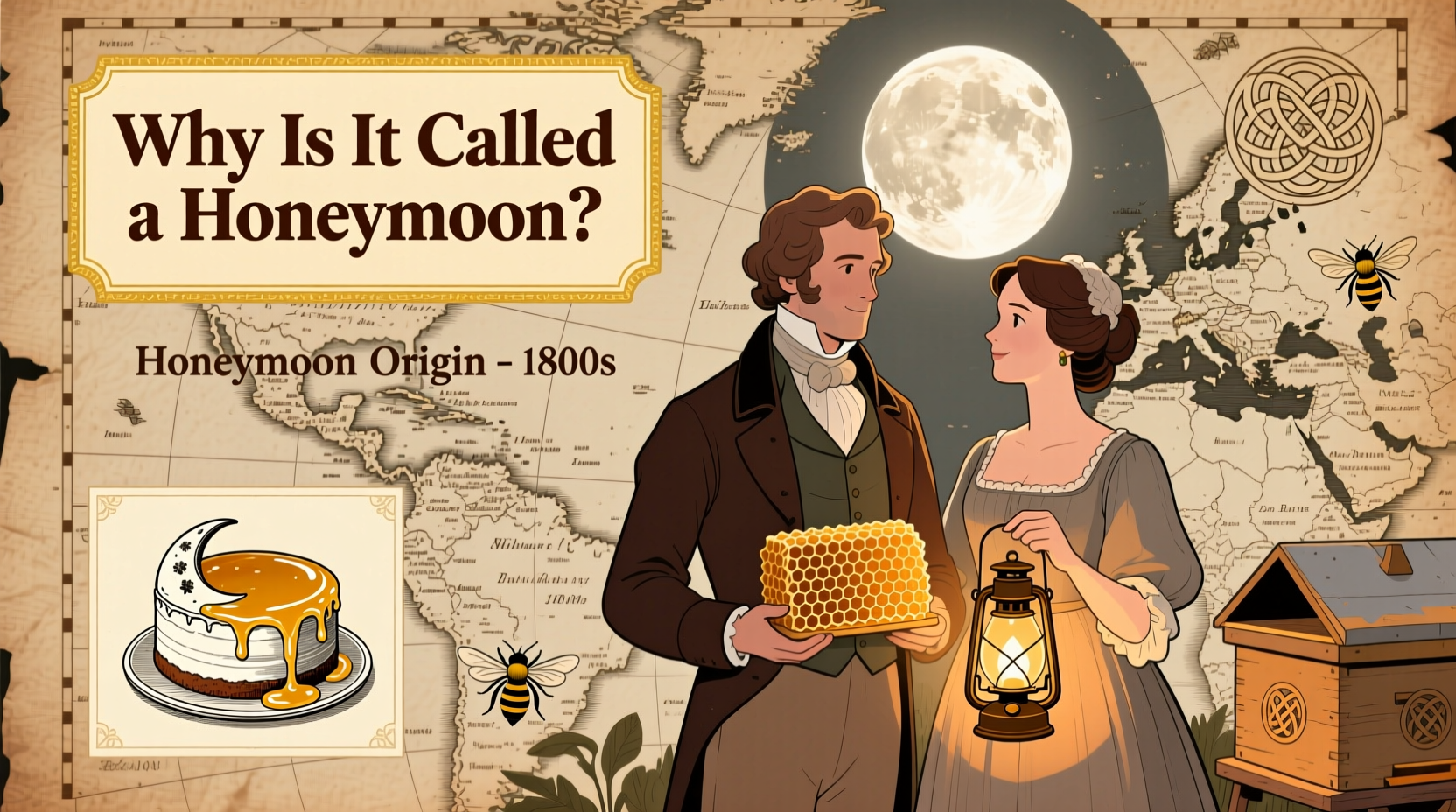
The earliest known references to the term “honeymoon” trace back to 16th-century writings, but the tradition it describes may be much older. The word itself combines “honey,” symbolizing sweetness, and “moon,” representing the lunar month. In many early societies, newly married couples were given a month’s supply of mead—a fermented honey drink believed to enhance fertility and passion. This practice was especially common among the Germanic tribes of northern Europe.
According to historical linguist Dr. Eleanor Whitmore, “The ‘honey month’ wasn’t just poetic—it was practical. Mead was thought to boost virility, and the full moon cycle offered a natural calendar for tracking the first phase of married life.” Couples would drink mead daily for one lunar cycle (approximately 29.5 days), hence the term “honeymoon.”
“Mead wasn’t just a beverage—it was medicine, ritual, and celebration rolled into one. The honeymoon began as a fertility rite long before it became a vacation.” — Dr. Eleanor Whitmore, Historical Linguist
From Ritual to Retreat: The Evolution of the Honeymoon
While the mead-drinking tradition faded with time, the symbolic meaning of the honeymoon endured. By the 18th century, particularly among European aristocracy, newlyweds began taking extended trips after their wedding. These journeys served multiple purposes: they allowed couples privacy during a socially scrutinized transition, demonstrated wealth, and reinforced familial alliances through visits to relatives or estates.
In Victorian England, honeymoons became more formalized. Affluent couples traveled by carriage or rail to scenic countryside locations or historic cities. The Grand Tour—a multi-month journey across continental Europe—was sometimes extended into a bridal tour, blending education with romance. Over time, the focus shifted from ritualistic symbolism to personal experience and emotional bonding.
Linguistic Evidence and Early Usage
The first recorded use of “honeymoon” in English appears in a 1552 text by Samuel Kaltor, who wrote: “The churche hath a mōneth of hony for every new wedded man.” Other variations include “honey month” and “bridal moon,” both emphasizing the temporary sweetness of early marriage.
Interestingly, some scholars believe the term may have originated as a cautionary metaphor. Just as the moon waxes and wanes, so too might the initial passion of marriage. The “honey” period was expected to fade, making the honeymoon a reminder to cherish fleeting joy.
| Era | Meaning of “Honeymoon” | Cultural Context |
|---|---|---|
| Pre-16th Century | Month-long mead consumption for fertility | Germanic and Norse traditions |
| 16th–17th Century | Symbolic sweetness of early marriage | Religious and literary references |
| 18th–19th Century | Post-wedding travel among elites | Rise of tourism and romantic ideals |
| 20th Century–Present | Tropical vacation or celebratory trip | Mass media, commercialization, global travel |
Modern Honeymoons: Tradition Transformed
Today, the honeymoon is less about mead and more about memory-making. With the rise of affordable air travel in the mid-20th century, honeymoons became accessible to the middle class. Destinations like Hawaii, the Maldives, and Paris entered the cultural imagination as ideal romantic escapes. Wedding registries often include honeymoon funds, and social media has turned these trips into highly curated experiences.
Yet remnants of the old symbolism remain. Many couples still choose destinations that align with lunar events—such as full moons on beaches—or incorporate honey into wedding rituals, like lighting a unity candle dipped in honey or serving honey-infused desserts.
Mini Case Study: A Modern Twist on an Ancient Tradition
Sophie and James, married in 2022 in rural Scotland, wanted their honeymoon to reflect both heritage and personal meaning. Instead of heading to a resort, they spent two weeks touring ancestral villages and ended with a stay at a historic meadery. Each evening, they drank locally crafted mead and journaled about their first days as a married couple. “It felt grounding,” Sophie said. “We weren’t just consuming a vacation—we were honoring where the idea of a honeymoon began.”
How to Honor the Origins of Your Honeymoon
Whether you’re planning a luxury escape or a quiet retreat, you can infuse your honeymoon with deeper meaning by acknowledging its roots. Consider these steps to create a more intentional experience:
- Choose a destination tied to cultural heritage—visit regions known for traditional wedding customs or mead production.
- Incorporate honey into your celebration—serve honey-based foods, gift honey jars to guests, or write vows using honey-themed metaphors.
- Align your trip with the lunar cycle—plan your departure around a full moon for symbolic resonance.
- Create a shared ritual—like drinking a toast of mead each evening or writing reflections together.
- Limit digital distractions—emulate the original purpose of the honeymoon: uninterrupted time to bond.
Frequently Asked Questions
Is the term “honeymoon” used in other cultures?
Yes, though translations vary. In French, it’s “lune de miel” (literally “moon of honey”), and in Spanish, “luna de miel.” The German “Flitterwochen” means “tinsel weeks,” reflecting festive glitter rather than honey. These variations show how the core idea—sweetness and temporality—has been adapted globally.
Did all ancient cultures practice a honeymoon?
Not in the way we understand it today. While many had post-wedding rituals involving seclusion, feasting, or symbolic acts, the specific combination of travel and celebration emerged primarily in Europe. However, communal support for newlyweds is nearly universal, suggesting a shared human need to mark marital transitions.
Can a honeymoon strengthen a marriage?
Research suggests that shared positive experiences early in marriage correlate with higher relationship satisfaction. A 2019 study published in the Journal of Social and Personal Relationships found that couples who engaged in novel, meaningful activities post-wedding reported stronger emotional bonds six months later. The key isn’t luxury—it’s presence.
Conclusion: Reclaiming the Spirit of the Honeymoon
The word “honeymoon” carries layers of history—from ancient fertility rites to modern Instagram moments. While the trappings have changed, the essence remains: a dedicated time for connection, renewal, and hope. Understanding its origins doesn’t diminish the romance; it deepens it. Whether you’re sipping mead under a full moon or hiking a distant trail, your honeymoon can be more than a vacation. It can be a conscious beginning.




 浙公网安备
33010002000092号
浙公网安备
33010002000092号 浙B2-20120091-4
Comments
No comments yet. Why don't you start the discussion?