
The mockingbird’s name evokes curiosity—what exactly is it “mocking”? Unlike birds named for their color, habitat, or shape, the mockingbird stands out for what it does: imitate. Its name isn’t poetic license; it’s a direct reflection of one of the most remarkable behaviors in the avian world. Found primarily across North and Central America, the northern mockingbird (*Mimus polyglottos*) has earned its title through an uncanny ability to replicate sounds from its environment with astonishing accuracy. But how did this trait lead to its common name? And what cultural, linguistic, and biological layers lie beneath the term “mockingbird”?
The Linguistic Roots of “Mockingbird”
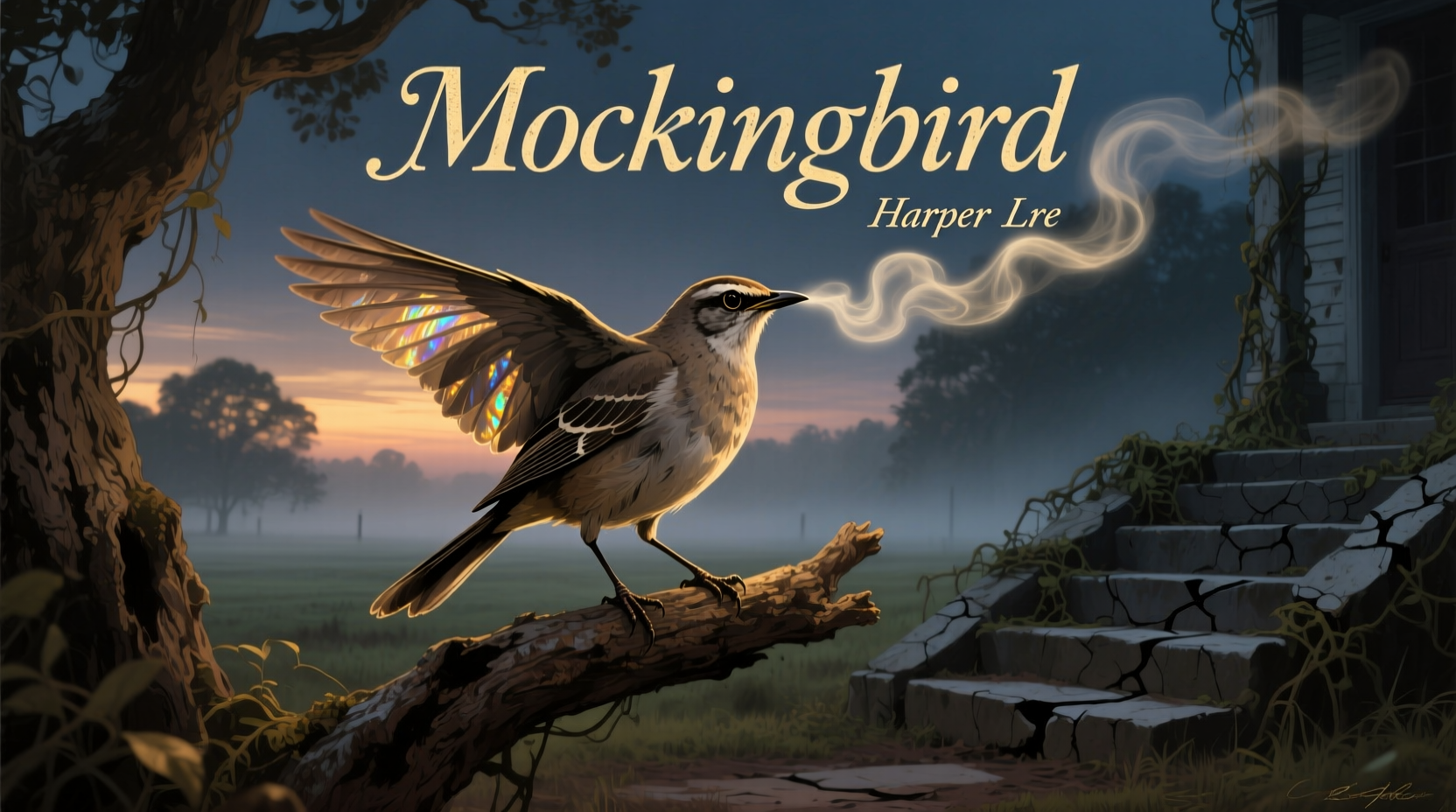
The word “mockingbird” first appeared in English during the early 17th century. It combines two elements: “mocking,” derived from the verb *to mock*, meaning to imitate or mimic, often with playful or satirical intent; and “bird,” the general term for feathered creatures. While today “mock” can carry negative connotations, in this context, it refers purely to imitation—a neutral, descriptive label for the bird’s vocal behavior.
Long before European settlers applied the name, Indigenous peoples had their own terms for the bird, many reflecting its vocal prowess. The Choctaw, for example, referred to it as *kotoba ishtim* (“the one who speaks”), acknowledging its articulate calls. When English-speaking colonists encountered the bird, they observed its talent for mimicking other species and household sounds—from frogs and crickets to barking dogs and creaking gates—and settled on “mockingbird” as a fitting descriptor.
The scientific name, *Mimus polyglottos*, reinforces this idea. *Mimus* is Latin for “mimic” or “actor,” while *polyglottos* comes from Greek, meaning “many-tongued.” Together, they form a scholarly echo of the common name: a creature fluent in many voices.
Why Mockingbirds Mimic: The Science Behind the Song
Mimicry in mockingbirds isn’t random performance—it serves specific evolutionary purposes. Male mockingbirds, in particular, develop extensive repertoires of songs, sometimes incorporating over 200 distinct phrases from other birds and environmental noises. This complexity plays a crucial role in mating and territory defense.
- Mating advantage: Females are more likely to choose males with larger song repertoires, interpreting variety as a sign of fitness, experience, and genetic quality.
- Territorial signaling: A diverse vocal range makes a male appear more dominant, potentially deterring rivals without physical confrontation.
- Environmental awareness: Some researchers suggest that mimicking predators (like hawks) or alarm calls may serve as warnings or even deceptive tactics.
A study published in the journal *Behavioral Ecology* found that urban mockingbirds incorporate more mechanical sounds—car alarms, sirens, cell phone ringtones—into their songs than rural counterparts. This adaptability underscores their intelligence and responsiveness to changing environments.
“Mockingbirds aren’t just copying sounds—they’re curating them. Their songs are dynamic, strategic, and deeply tied to survival.” — Dr. Laura Finch, Ornithologist at Cornell Lab of Ornithology
Myths and Misconceptions About the Name
Despite its straightforward etymology, several myths surround the mockingbird’s name. One persistent idea is that the bird mocks other animals with malicious intent. In reality, the term “mocking” here doesn’t imply ridicule but rather mimicry—an important distinction lost in modern usage.
Another misconception is that only northern mockingbirds exhibit this behavior. While they are the most famous mimics in North America, other species in the family Mimidae—including catbirds and thrashers—also possess strong mimicry skills. However, the northern mockingbird’s boldness, diurnal singing, and proximity to human settlements make its performances more noticeable.
Cultural Impact and Symbolism
The mockingbird’s name has transcended biology to become a cultural symbol. Perhaps the most famous reference is in Harper Lee’s novel *To Kill a Mockingbird*. In the story, the bird represents innocence and harmlessness: “It is a sin to kill a mockingbird” because all it does is sing beautifully and bring joy. This metaphor draws directly from the bird’s behavior—its mimicry is seen not as deception but as artistry and generosity.
In music and folklore, the mockingbird appears as a trickster, a teacher, and a muse. American folk songs like “Listen to the Mockingbird” romanticize its voice, while Indigenous oral traditions sometimes portray it as a messenger between worlds due to its ability to “speak many languages.”
The name, therefore, carries dual significance: scientifically accurate in describing vocal mimicry, and symbolically rich in representing creativity, resilience, and moral purity.
Comparative Mimicry in Birds: How Mockingbirds Stack Up
| Bird Species | Mimicry Ability | Repertoire Size | Primary Purpose |
|---|---|---|---|
| Northern Mockingbird | Exceptional | 150–200+ phrases | Mating, territorial defense |
| Lyrebird (Australia) | Extraordinary | Up to 100+ sounds | Courtship displays |
| Gray Catbird | Moderate | 50–80 phrases | Communication, warning |
| Nightingale | Limited mimicry | Complex original songs | Mating |
How to Identify a Mockingbird by Its Voice
Recognizing a mockingbird begins with listening. Unlike most birds that repeat their own call, mockingbirds alternate between different sounds, often repeating each phrase three to six times before switching. Here’s a step-by-step guide to identifying one by ear:
- Listen for repetition: A single sound repeated multiple times is a hallmark of mockingbird mimicry.
- Note the variety: Within minutes, you might hear warbles, whistles, trills, and even mechanical noises.
- Check the timing: Mockingbirds often sing at night, especially unmated males or those in well-lit urban areas.
- Observe the posture: They typically sing from high perches—rooftops, treetops, or utility wires—with tail flicking and wings slightly spread.
- Rule out similar species: Catbirds have a quieter, more conversational tone and lack repetitive phrasing.
“Once you learn to recognize the pattern of mimicry, the mockingbird becomes impossible to miss—even in a noisy city.” — James Holloway, Wildlife Sound Recordist
Frequently Asked Questions
Does the mockingbird understand the sounds it mimics?
No evidence suggests mockingbirds comprehend the meaning of the sounds they copy. Instead, they store and reproduce audio patterns learned during development. However, they do use certain mimicked calls—like hawk screams—in contextually appropriate ways, suggesting some level of functional understanding.
Are all mockingbirds equally good at mimicking?
No. Repertoire size varies significantly based on age, location, and experience. Older males tend to have larger libraries of sounds. Urban birds often incorporate more anthropogenic noises, while rural ones focus on natural sounds. Young birds begin practicing in late summer, gradually refining their songs over months.
Is the mockingbird’s name used in other languages?
Yes, though translations vary. In Spanish, it’s often called *mimido* or *avispa de ramera*, both referencing mimicry. In French, *moqueur* (meaning “ mocker”) is used. These names confirm that the bird’s defining trait—vocal imitation—is universally recognized.
Actionable Tips for Birdwatchers and Nature Enthusiasts
- Visit suburban parks or gardens at dawn or dusk to hear mockingbirds at their most active.
- Avoid playing recorded bird calls excessively, as this can stress territorial birds.
- Support native landscaping—mockingbirds thrive in areas with shrubs, berries, and open lawns.
- Report unusual mimicry (e.g., cell phone rings, musical snippets) to citizen science platforms like eBird.
Conclusion: More Than Just a Name
The name “mockingbird” is far more than a whimsical label—it’s a precise, centuries-old acknowledgment of one of nature’s most gifted vocal artists. Rooted in observation, reinforced by science, and elevated by culture, the term captures both behavior and symbolism. Understanding why it’s called a mockingbird deepens our appreciation not only for its songs but for the intricate ways language, biology, and human perception intersect in the natural world.




 浙公网安备
33010002000092号
浙公网安备
33010002000092号 浙B2-20120091-4
Comments
No comments yet. Why don't you start the discussion?