
Even as the calendar flips into autumn, many regions continue to experience unseasonably high temperatures. The sun sets earlier, leaves begin to change, yet the air remains thick with heat. This phenomenon—feeling summer’s grip long after its official end—is more than just a seasonal quirk. It reflects complex interactions between natural climate cycles, urban infrastructure, and global warming trends. Understanding why it’s still hot requires examining meteorological patterns, human-made environments, and shifting baselines in what we consider “normal” weather.
The Delayed Response of Earth’s Systems
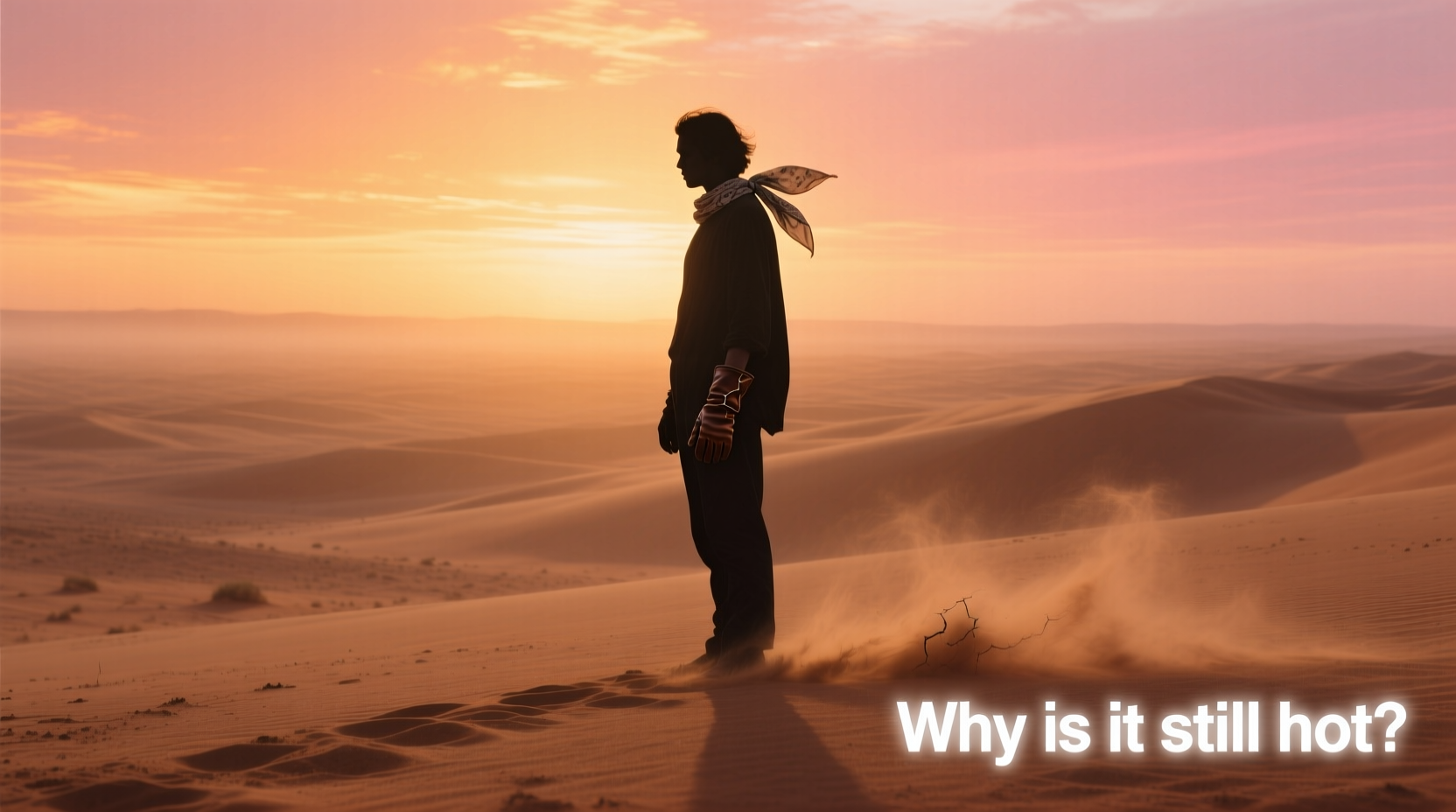
One of the primary reasons warmth lingers well beyond summer is due to thermal inertia—the delayed reaction of land, oceans, and atmosphere to changes in solar input. While daylight hours shorten after the summer solstice, the Earth continues absorbing more heat than it releases for several weeks. Oceans, which store vast amounts of heat, slowly release this energy back into the atmosphere, moderating cooling and prolonging warm conditions.
This effect is particularly noticeable in coastal areas. For example, cities like San Francisco or Lisbon often experience their warmest months in September or even October, despite the sun being lower in the sky. The ocean acts as a massive thermal battery, delaying the onset of cooler temperatures.
“Land and sea don’t cool instantly when summer ends. There’s a lag—sometimes up to six weeks—between peak sunlight and peak surface temperature.” — Dr. Lena Patel, Climatologist at the National Atmospheric Research Institute
Urban Heat Island Effect: Cities That Trap Warmth
In metropolitan areas, artificial surfaces like asphalt, concrete, and steel absorb and retain heat far more efficiently than natural landscapes. During the day, these materials soak up solar radiation; at night, they slowly radiate that heat back into the environment. This process creates what scientists call the Urban Heat Island (UHI) effect, where city centers can be 5–10°F (3–6°C) warmer than surrounding rural zones.
The UHI effect intensifies during transitional seasons. Even when regional temperatures drop, cities may remain stubbornly warm due to building density, lack of green space, and waste heat from vehicles and HVAC systems.
How Building Materials Influence Local Temperatures
| Material | Heat Absorption Rate | Cooling Time (Night) | Impact on Ambient Temp |
|---|---|---|---|
| Asphalt | High | Slow (8+ hours) | Significant increase |
| Concrete | Moderate-High | Moderate (6–8 hrs) | Moderate increase |
| Grass/Soil | Low | Fast (2–3 hrs) | Negligible |
| White Roof Coating | Very Low | Immediate | Cooling effect |
Climate Change and Shifting Seasonal Norms
Lingering heat isn't just perception—it's measurable. According to NOAA data, the average length of summer in the United States has increased by nearly three weeks since the 1960s. What was once a brief spell of late-summer warmth now stretches into early fall, with record highs regularly broken in September and October.
Global surface temperatures have risen by approximately 1.2°C since pre-industrial times. This baseline shift means that even “average” days feel hotter than they did decades ago. Additionally, jet stream behavior has become more erratic due to Arctic amplification—melting polar ice weakens atmospheric circulation patterns, leading to stalled weather systems and prolonged heatwaves.
- More frequent high-pressure ridges trap warm air over regions for days or weeks.
- Reduced cloud cover during extended dry periods enhances daytime heating.
- Warmer nights prevent full cooling, contributing to cumulative heat stress.
Mini Case Study: Atlanta’s Late-Season Heatwave (2023)
In early October 2023, Atlanta recorded seven consecutive days above 90°F (32°C), breaking previous records. Meteorologists attributed the anomaly to a persistent high-pressure system anchored over the Southeast, combined with low soil moisture and dense urban development. Residents reported higher-than-usual energy bills and discomfort, especially in older neighborhoods lacking tree canopy coverage.
The event highlighted how local infrastructure interacts with broader climate trends. Areas with parks and mature trees saw slightly lower temperatures, underscoring the importance of urban planning in mitigating residual heat.
Personal Habits That Amplify Perceived Heat
Beyond environmental factors, individual behaviors influence how we experience lingering warmth. Air conditioning use often continues deep into autumn, creating stark contrasts between indoor coolness and outdoor heat. When people step outside, the relative warmth feels more intense due to acclimatization.
Additionally, hydration levels and clothing choices play roles. Many maintain summer routines—wearing lighter fabrics, skipping layers—even as humidity drops and evenings grow cooler. This mismatch can make moderate temperatures feel oppressive simply because the body expects relief that never comes.
Checklist: Reducing Exposure to Lingering Heat
- Monitor daily heat index forecasts, not just air temperature.
- Adjust thermostat settings gradually as seasons change.
- Wear breathable but layered clothing for better temperature regulation.
- Use window shades or blackout curtains during peak sun hours.
- Support community tree-planting initiatives to combat urban heat.
- Stay hydrated, especially if spending time outdoors in early fall.
- Inspect home insulation to prevent unwanted heat retention.
When Will It Finally Cool Down?
The transition to cooler weather depends on multiple variables: latitude, proximity to large bodies of water, elevation, and prevailing wind patterns. In temperate zones, sustained cooling typically begins once cold fronts from northern latitudes gain strength and push southward. However, with climate change disrupting traditional storm tracks, these fronts are arriving later and with less frequency.
A useful rule of thumb: consistent nighttime lows below 60°F (15.5°C) signal the true arrival of fall. But increasingly, such thresholds are being met weeks later than historical averages.
FAQ
Why does it feel hotter at night now compared to past years?
Higher humidity, increased urban development, and elevated baseline temperatures mean nights no longer cool down as effectively. Heat retained by buildings and pavement radiates throughout the evening, preventing relief.
Is lingering heat dangerous?
Yes. Extended exposure to warm conditions increases risks of heat exhaustion, dehydration, and cardiovascular strain—especially among elderly populations. Even mild heat stress over several days can accumulate health impacts.
Can planting trees really make a difference in city temperatures?
Absolutely. Studies show that neighborhoods with 30% or more tree canopy cover can be up to 10°F cooler than those without. Trees provide shade and release moisture through transpiration, actively cooling the air.
Conclusion: Adapting to a Warmer Normal
The persistence of heat beyond summer is no longer an anomaly—it’s becoming a predictable feature of our changing climate. From oceanic heat retention to sprawling concrete landscapes, multiple forces conspire to keep temperatures elevated well into autumn. Recognizing these patterns empowers individuals and communities to adapt proactively.
Simple actions—like adjusting clothing, supporting green infrastructure, and staying informed about local climate trends—can significantly improve comfort and safety. As seasonal boundaries blur, resilience lies not in waiting for cooler days, but in understanding why it’s still hot—and responding wisely.




 浙公网安备
33010002000092号
浙公网安备
33010002000092号 浙B2-20120091-4
Comments
No comments yet. Why don't you start the discussion?