
Japanese denim has earned a near-mythical reputation among fashion enthusiasts, collectors, and denim purists. A single pair of jeans can cost upwards of $300—sometimes exceeding $600—and still maintain a cult following. The price raises a natural question: Why is Japanese denim so expensive? The answer lies not in branding or hype alone, but in a meticulous commitment to craftsmanship, material integrity, and heritage techniques that distinguish it from mass-produced denim. At the heart of this premium are two key elements: selvedge quality and traditional weaving methods.
To understand the value behind these garments, one must look beyond fabric weight and stitching. It’s about how the cotton is sourced, spun, dyed, and woven—each stage reflecting decades of refinement. Japanese denim brands often operate like artisans rather than apparel companies, treating denim as a textile art form. This article breaks down the core reasons for the high cost, explores the significance of selvedge denim, and reveals what makes Japanese weaving techniques irreplaceable in the modern market.
The Anatomy of Selvedge Denim
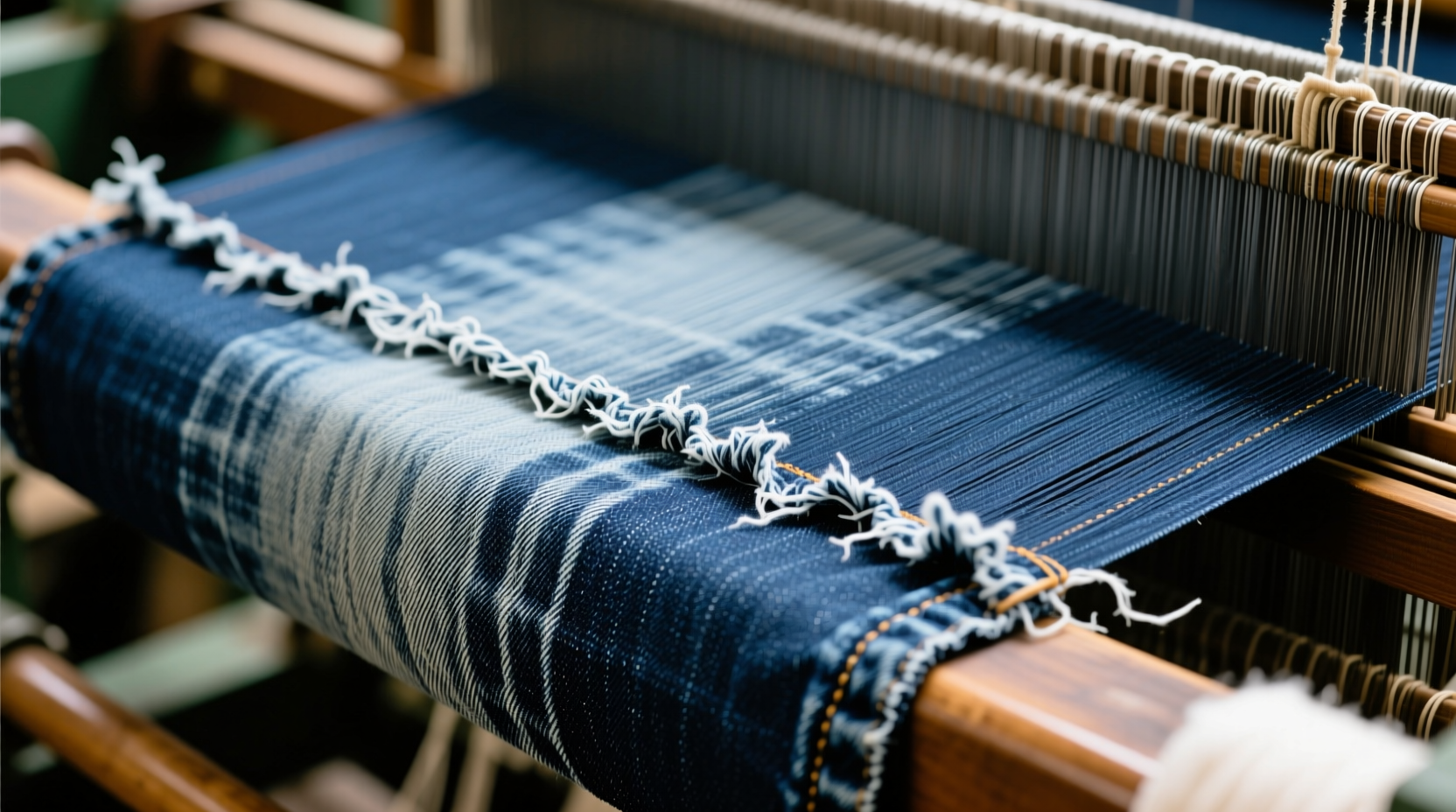
Selvedge (or “self-edge”) denim refers to fabric woven on narrow-width shuttle looms, where the weft thread loops back at the edge of the fabric, creating a clean, finished border that prevents fraying. Unlike open-end denim produced on wide industrial looms, selvedge denim is typically 28–36 inches wide and requires more time and precision to produce.
This tightly bound edge is not just functional—it's symbolic. Found along the outseam of jeans when cut and sewn, the selvedge often features a colored line (commonly red, but also black, white, or yellow) indicating the manufacturer or brand. More importantly, selvedge denim is associated with higher yarn density, tighter weave, and superior durability.
What sets Japanese selvedge apart is consistency and attention to detail. Mills like Kojima, Kurabo, and Collect Mills use long-staple cottons, sometimes blended with Zimbabwean or Supima cotton, and apply ring-spinning techniques that create stronger, softer, and more character-rich yarns. These yarns are then dyed using natural or synthetic indigo in a process that can take hours per batch.
Shuttle Looms: The Heart of Japanese Craftsmanship
The most critical factor behind the cost of Japanese denim is the use of vintage shuttle looms—many of which date back to the 1940s and 1950s. These machines, originally American Draper X3 or Toyoda models, were once obsolete in Western manufacturing due to their slow speed and high maintenance needs. But Japan preserved them, recognizing their ability to produce denser, more textured fabric.
Unlike modern projectile or air-jet looms that fire weft threads across wide fabrics at high speed, shuttle looms use a physical shuttle carrying the thread through the warp. This slower method creates subtle irregularities known as “slub” or “character,” giving each yard of denim unique depth and personality. The resulting fabric has better drape, resilience, and aging potential.
Maintaining these looms is labor-intensive. They require skilled technicians for regular tuning, oiling, and part replacements—some parts now custom-machined because originals are no longer manufactured. Factories like Kuroki Mills and Nihon Menpu operate only a handful of functioning looms, limiting output to mere meters per day.
“Every meter of denim from a shuttle loom tells a story. You can see the soul in the texture.” — Hiroshi Fujiwara, Denim Archivist & Fashion Curator
Indigo Dyeing: Depth, Patina, and Time
No discussion of Japanese denim is complete without addressing indigo dyeing. While most global denim uses synthetic indigo applied quickly via chemical baths, Japanese mills prioritize depth and longevity through repeated dipping—a process called *sukumo* or rope dyeing.
In traditional rope dyeing, hundreds of vertical cotton ropes are submerged into indigo vats multiple times. Each dip adds a thin layer of color, oxidizing between stages to build rich, complex blue tones. A typical run may involve 8–15 dips over several hours, compared to 2–3 rapid immersions in standard factories.
This method results in a deep dye penetration that fades gradually and beautifully over time. As the jeans wear, the indigo rubs off selectively, revealing honeycombs behind the knees, whiskers at the pockets, and fade lines that follow the wearer’s movement. These patterns, known as “fade maps,” are highly prized by denim enthusiasts.
Some Japanese mills even experiment with natural indigo derived from plant fermentation, a rare and costly technique producing earthy undertones and unpredictable variations. These batches are often limited to fewer than 100 yards annually.
Comparative Breakdown: Japanese vs. Mass-Market Denim
| Feature | Japanese Selvedge Denim | Mass-Market Denim |
|---|---|---|
| Weaving Machine | Vintage shuttle looms | Modern air-jet/projectile looms |
| Production Speed | ~1–2 meters per hour | ~100+ meters per hour |
| Fabric Width | 28–36 inches (narrow) | 60+ inches (wide) |
| Yarn Spinning | Ring-spun, long-staple cotton | Open-end or carded cotton |
| Indigo Process | Rope dyeing, 8–15 dips | Slasher dyeing, 2–3 dips |
| Fade Development | Gradual, high contrast, personalized | Flat, uniform, minimal character |
| Annual Output per Loom | ~1,000–2,000 meters | ~50,000+ meters |
This table underscores why scaling Japanese denim is nearly impossible without sacrificing quality. The entire production chain prioritizes slowness, skill, and intentionality—values that inherently resist automation and cost-cutting.
A Real-World Example: The Journey of a Pair of Pure Blue Japan Jeans
Consider a pair of jeans from Pure Blue Japan, a label renowned for its experimental indigo work. A customer purchases a pair made from 15 oz. raw selvedge denim, hand-dyed using 13 dips of 100% natural indigo.
Over the first six months, the owner wears them 3–4 times per week, avoiding washing to encourage natural creasing. By month four, distinct whiskers emerge at the front pockets, formed by micro-movements during sitting and reaching. Behind the knees, diagonal honeycombs develop, tracing muscle flexion.
At the nine-month mark, the denim begins to show mid-tone greys beneath the top layer of indigo, revealing a gradient effect. After 18 months, the knees display deep fade channels, while the seat retains darker areas from constant contact with chairs. No two pairs would age the same way—even if worn by twins with identical routines.
This evolution is not accidental. It’s engineered through fabric construction. The irregular yarn thickness from ring-spinning, the uneven dye saturation from rope dipping, and the slight tension variations from shuttle weaving all contribute to non-uniform wear. In essence, the jeans become a wearable diary.
Step-by-Step: How Japanese Denim Is Made
The creation of a single bolt of Japanese selvedge denim involves a precise, multi-stage process that can span weeks:
- Cotton Selection: Long-staple cotton is chosen for strength and softness. Some blends include polyester or wool for texture.
- Yarn Spinning: Cotton is ring-spun slowly to preserve fiber integrity, creating slightly irregular threads with character.
- Warp Preparation: Thousands of vertical (warp) threads are stretched and sized for dyeing.
- Indigo Dyeing: Warp ropes undergo multiple dips in indigo vats, oxidizing between each submersion.
- Weaving: Dyed warp threads are loaded onto shuttle looms; weft threads are woven through at ~1 beat per second.
- Inspection: Fabric is checked manually for flaws, tension issues, or inconsistencies.
- Garment Construction: Cut and sewn in small workshops using chain-stitching and copper rivets for authenticity.
Each step relies on human oversight. Automation is minimal. This hands-on approach ensures quality but limits volume—directly impacting retail price.
FAQ: Common Questions About Japanese Denim
Is Japanese denim worth the price?
For those who value craftsmanship, longevity, and personalization through wear, yes. Japanese denim often lasts 5–10 years with proper care, far outliving fast-fashion alternatives. The emotional and aesthetic return on investment is significant for enthusiasts.
Does selvedge denim stretch less?
Generally, yes. Due to tighter weave and higher yarn count, selvedge denim stretches less than open-end denim. However, most raw selvedge still breaks in over time, conforming to the wearer’s body. Pre-washed or sanforized versions offer less shrinkage and immediate comfort.
Can I wash my Japanese selvedge jeans?
You can—but sparingly. Most manufacturers recommend waiting at least 3–6 months before the first wash to allow natural fading. When washing, turn inside out, use cold water, mild detergent, and hang dry. Some owners prefer freezing jeans to kill odor-causing bacteria instead of washing.
Checklist: What to Look for in Authentic Japanese Denim
- ✔ Visible selvedge ID on the inside outseam
- ✔ Weight listed in ounces (e.g., 13 oz, 18 oz)—higher weight often means durability
- ✔ Mention of mill origin (e.g., “Kuroki Mills,” “Collect Mills”)
- ✔ Use of shuttle looms or vintage looms in product description
- ✔ Natural or rope-dyed indigo process specified
- ✔ Limited production numbers or batch codes
- ✔ Chain-stitched hems with a “ring” pull for adjustment
If a brand omits these details, it may be sourcing generic fabric labeled as “Japanese-style” without the actual heritage production.
Conclusion: Value Beyond Price
The expense of Japanese denim isn’t arbitrary. It reflects real costs: scarce machinery, skilled labor, time-intensive processes, and uncompromising standards. While cheaper alternatives exist, they lack the depth, durability, and storytelling potential of true selvedge fabric.
More than clothing, these jeans represent a philosophy—one that honors material honesty, resists disposability, and celebrates individuality through wear. In a world of algorithm-driven fashion, Japanese denim stands as a counterpoint: slow, intentional, and deeply human.




 浙公网安备
33010002000092号
浙公网安备
33010002000092号 浙B2-20120091-4
Comments
No comments yet. Why don't you start the discussion?