
Juneteenth, celebrated annually on June 19th, marks one of the most pivotal moments in American history—the effective end of slavery in the United States. While the Emancipation Proclamation was issued by President Abraham Lincoln in 1863, it took over two years for the news to reach enslaved people in Texas, the last stronghold of institutional slavery. On June 19, 1865, Union General Gordon Granger arrived in Galveston and read General Order No. 3, declaring that all enslaved people in Texas were free. This moment, though long overlooked in mainstream history, has grown into a powerful symbol of freedom, resilience, and the ongoing struggle for racial justice.
The Historical Roots of Juneteenth
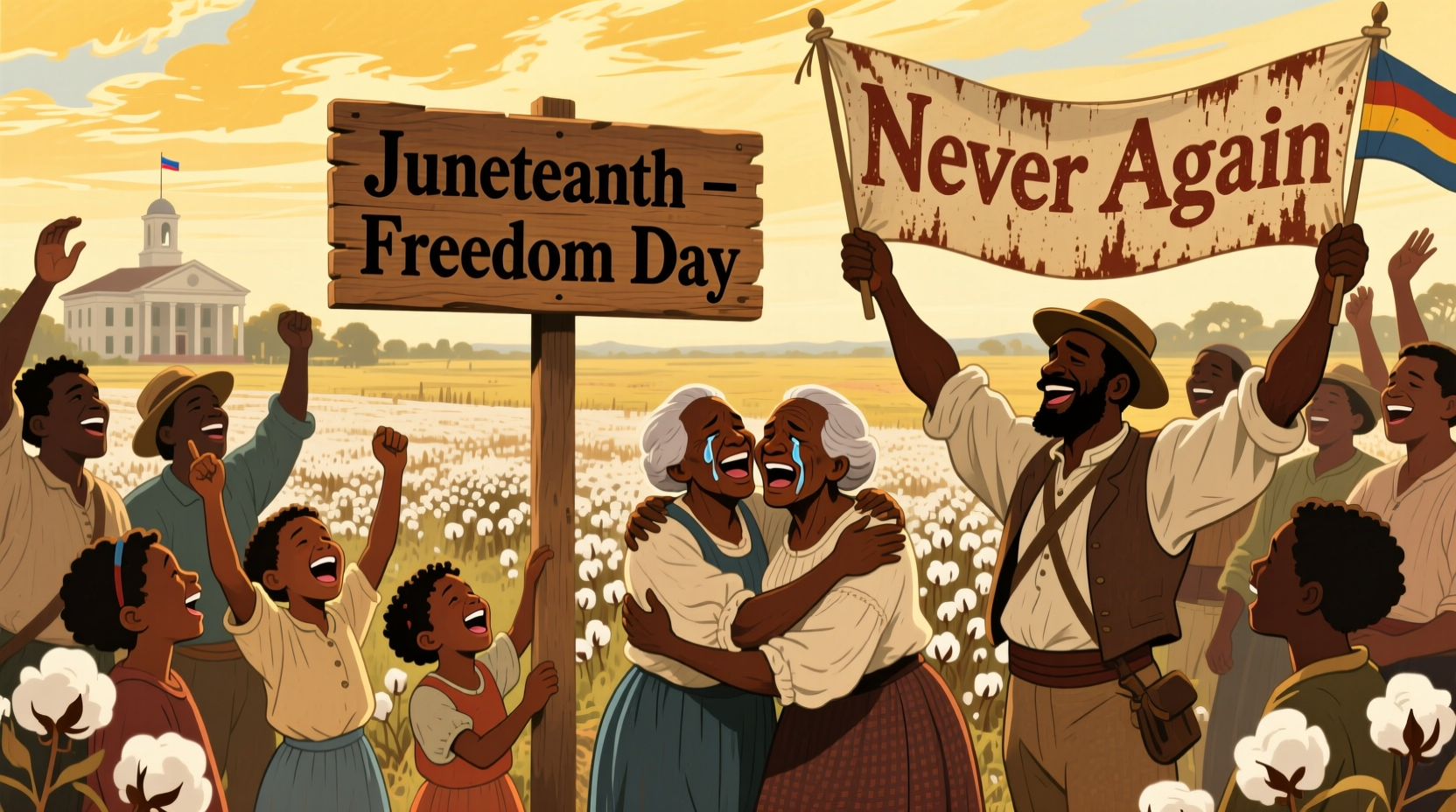
The delay in emancipation enforcement in Texas was due to a combination of geographic isolation, minimal Union presence during the Civil War, and deliberate suppression by enslavers who refused to relinquish control. Even after the war ended in April 1865, many slaveholders in Texas continued to hold people in bondage, unaware or unwilling to accept federal authority.
When General Granger’s troops finally enforced the proclamation, approximately 250,000 enslaved African Americans in Texas learned of their freedom. The day became known as “Juneteenth,” a blend of “June” and “nineteenth.” The first anniversary of this event in 1866 saw organized community gatherings in Texas, featuring prayer, music, storytelling, and feasting—traditions that continue today.
For decades, Juneteenth remained primarily a regional observance, celebrated mostly in Black communities across the South. However, during the Great Migration, African Americans carried the tradition with them to northern and western cities, spreading awareness beyond Texas. It wasn’t until the civil rights movement of the 1960s that Juneteenth gained renewed national attention as a symbol of liberation and self-determination.
Why Juneteenth Matters Today
In 2021, Juneteenth was officially recognized as a federal holiday with the passage of the Juneteenth National Independence Day Act. This milestone affirmed what generations of African Americans had long understood: Juneteenth is not just a celebration of freedom—it is a vital part of American identity.
The significance of Juneteenth extends far beyond historical commemoration. It serves as a reminder of the enduring legacy of slavery, systemic racism, and the persistent gap between America’s ideals and its realities. At the same time, it honors the strength, culture, and contributions of Black Americans who have shaped the nation despite centuries of oppression.
“Juneteenth is more than a date—it’s a declaration that freedom delayed is not freedom denied.” — Dr. Annette Gordon-Reed, Pulitzer Prize-winning historian and Harvard Law professor
A Timeline of Freedom: From Emancipation to Federal Recognition
The journey from slavery to Juneteenth as a national holiday spans over 150 years. Understanding this timeline helps contextualize its importance:
- January 1, 1863: Emancipation Proclamation takes effect, freeing enslaved people in Confederate states—but enforcement depends on Union military advances.
- April 9, 1865: Confederate General Robert E. Lee surrenders, effectively ending the Civil War.
- June 19, 1865: Union troops arrive in Galveston, Texas, enforcing emancipation and freeing the last large group of enslaved African Americans.
- 1866–1900s: Annual Juneteenth celebrations grow in Texas and spread through migration, though suppressed during Jim Crow due to segregation and racial violence.
- 1979: Texas becomes the first state to make Juneteenth an official state holiday.
- 1990s–2010s: Grassroots campaigns expand recognition; dozens of states adopt Juneteenth as a ceremonial or legal holiday.
- 2020: Following nationwide protests after the murder of George Floyd, public demand for racial justice brings renewed focus to Juneteenth.
- June 17, 2021: President Joe Biden signs legislation establishing Juneteenth as a federal holiday.
Juneteenth as a Catalyst for Education and Reflection
One of the most profound roles of Juneteenth today is its power to educate. For too long, American history curricula minimized or omitted the full story of slavery, Reconstruction, and the long march toward civil rights. Juneteenth offers a chance to correct these omissions.
Schools, workplaces, and civic organizations increasingly use the day to host discussions about race, equity, and inclusion. Some institutions incorporate readings of the Emancipation Proclamation and General Order No. 3, while others highlight Black art, music, and entrepreneurship.
However, true recognition goes beyond symbolism. As writer Isabel Wilkerson notes, “Acknowledging Juneteenth means acknowledging that freedom came late—and that its promises are still unfolding.” Real progress requires confronting uncomfortable truths about generational wealth gaps, mass incarceration, voter suppression, and educational inequity that stem directly from the legacy of slavery.
How Communities Celebrate Juneteenth
Celebrations vary widely but often include elements rooted in African American culture:
- Public readings of historical documents
- Parades and festivals featuring Black-owned businesses
- Music performances highlighting gospel, jazz, blues, and hip-hop
- Traditional foods such as red velvet cake, strawberry soda, and barbecue (red symbolizes resilience and joy)
- Educational programs and panel discussions on civil rights history
In recent years, corporations and government agencies have begun closing offices on Juneteenth, allowing employees time to reflect and engage. Yet critics caution against performative gestures without substantive action toward equity.
| Do’s | Don’ts |
|---|---|
| Support Black-owned businesses on Juneteenth and year-round | Use the day solely for marketing without supporting real change |
| Host inclusive educational events about slavery and freedom | Assume the holiday is only for Black Americans—it belongs to all who value justice |
| Reflect on personal and institutional roles in racial inequality | Reduce the day to a party without historical context |
Mini Case Study: How One City Transformed Its Juneteenth Observance
In Richmond, Virginia—a former capital of the Confederacy—the city government once ignored Juneteenth. But in 2020, following widespread protests and community advocacy, Richmond declared Juneteenth an official city holiday and closed municipal offices.
The mayor partnered with local historians and artists to launch “Freedom First,” a week-long series of events including walking tours of historic Black neighborhoods, youth poetry slams, and economic empowerment fairs. Schools incorporated Juneteenth into their curricula, and public libraries hosted exhibitions on Reconstruction-era policies.
Within three years, attendance at Juneteenth events grew from a few hundred to over 20,000. More importantly, the city allocated $2 million in grants to support Black entrepreneurs—a direct effort to turn commemoration into tangible equity.
Frequently Asked Questions About Juneteenth
Is Juneteenth the same as Emancipation Day?
No. While both commemorate the end of slavery, Emancipation Day refers to different dates depending on location. For example, Washington D.C. celebrates April 16, when the Compensated Emancipation Act took effect in 1862. Juneteenth specifically marks June 19, 1865, in Texas.
Did slavery end everywhere in the U.S. on Juneteenth?
Not immediately. The 13th Amendment, ratified in December 1865, formally abolished slavery throughout the United States. Some border states like Kentucky and Delaware did not free enslaved people until after ratification, meaning Juneteenth marks a major step—not the final end.
How can I respectfully observe Juneteenth?
You can observe Juneteenth by learning about Black history, attending community events, supporting Black-led organizations, and reflecting on how systemic inequality persists. Avoid treating it as just another summer holiday without historical weight.
Conclusion: Honor the Past, Empower the Future
Juneteenth is not simply a celebration of a single day in 1865. It is a living testament to the resilience of a people who endured centuries of bondage and emerged with dignity, creativity, and an unyielding demand for justice. Recognizing Juneteenth means acknowledging that freedom was delayed, but also that hope persisted.
As we mark this day each year, let us move beyond passive observation. Let us commit to education, equity, and active allyship. Let us ensure that the promise of Juneteenth—true freedom and equality—is not deferred any longer.




 浙公网安备
33010002000092号
浙公网安备
33010002000092号 浙B2-20120091-4
Comments
No comments yet. Why don't you start the discussion?