
Matcha has become a global sensation—prized for its vibrant color, earthy flavor, and health benefits. Yet many consumers are surprised by its steep price tag, especially when compared to standard green tea. A tin of ceremonial-grade matcha can cost ten times more than a box of supermarket green tea bags. So what justifies this difference? The answer lies in cultivation practices, processing methods, labor intensity, and a strict grading system that separates premium matcha from lower-quality alternatives.
Understanding why matcha commands such high prices requires a deep dive into how it's grown, harvested, and classified. Unlike regular green tea, where leaves are steeped and discarded, matcha involves consuming the entire ground leaf, making purity, freshness, and origin critically important. This article breaks down the key factors behind matcha’s premium pricing and demystifies the Japanese grading system so you can make informed choices as a buyer or enthusiast.
The Cultivation Process: Why Matcha Starts with Shade
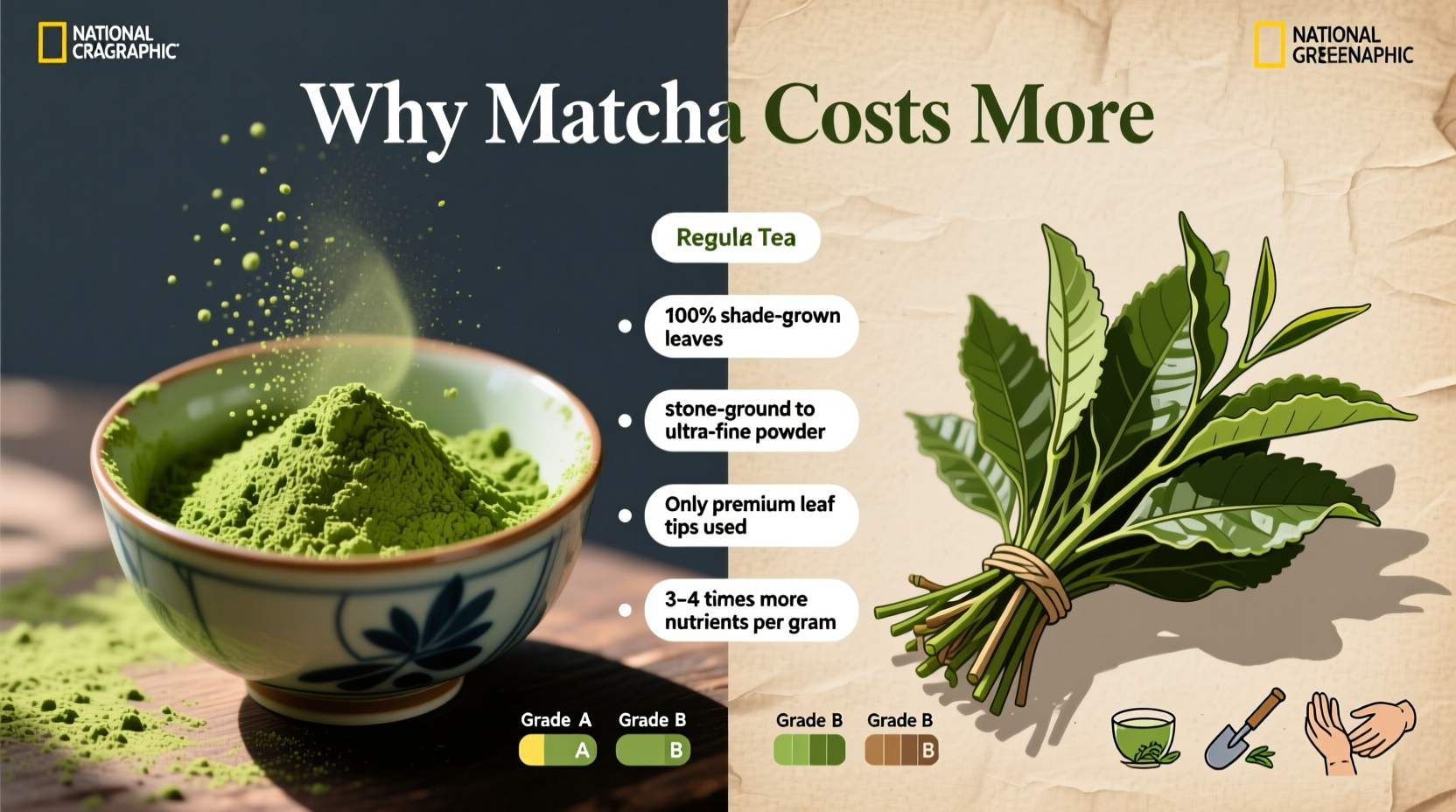
One of the most defining steps in matcha production is shade-growing. Approximately 20–30 days before harvest, tea farmers cover their Camellia sinensis plants with bamboo mats or black synthetic cloth. This blocks about 90% of sunlight, forcing the plant to adapt by increasing chlorophyll production. The result? Leaves turn a deeper green and develop higher concentrations of L-theanine—an amino acid responsible for matcha’s signature umami flavor and calming effects.
This shading process is labor-intensive and requires precise timing. Farms must monitor weather conditions closely; too much shade or too little can ruin an entire crop. In contrast, most regular green teas like sencha or bancha are grown in full sun, requiring fewer resources and less oversight. The added effort and risk involved in shaded cultivation directly contribute to higher costs.
Harvesting and Processing: Labor That Can’t Be Rushed
After shading, only the youngest, tenderest leaves at the top of the plant are hand-picked during the first flush (spring harvest). These leaves contain the highest nutrient density and smoothest flavor profile. Once harvested, stems and veins are meticulously removed—a step known as *tencha* processing—to prevent bitterness. The remaining leaf material is then stone-ground into a fine powder using traditional granite mills, which operate slowly to avoid heat buildup that could degrade flavor and nutrients.
A single stone mill produces only about 30–40 grams of matcha per hour. Multiply that across hectares of tea fields, and it becomes clear why large-scale mechanization isn’t feasible without sacrificing quality. Regular green tea, on the other hand, is often machine-harvested, processed quickly, and sold as whole leaves—requiring far less time and precision.
“Matcha is not just tea—it’s agriculture, craftsmanship, and patience condensed into a single gram.” — Kenji Tanaka, Kyoto-based Tea Master
Understanding the Matcha Grading System
In Japan, matcha is graded based on origin, harvest time, leaf quality, texture, and intended use. While there’s no official government certification body, industry standards have evolved over centuries to distinguish between ceremonial, premium, culinary, and ingredient grades.
| Grade | Color & Texture | Taste Profile | Best Use | Price Range (per 30g) |
|---|---|---|---|---|
| Ceremonial Grade | Bright emerald green, ultra-fine powder | Sweet, umami-rich, minimal bitterness | Whisked with hot water (traditional preparation) | $15–$30+ |
| Premium Grade | Green, smooth texture | Balanced sweetness with slight vegetal notes | Daily drinking, lattes | $10–$15 |
| Culinary Grade | Darker green, coarser grind | Bitter, robust, grassy | Cooking, baking, smoothies | $5–$10 |
| Ingredient Grade | Olive-green, gritty texture | Strongly bitter, harsh | Mass-produced foods, supplements | $2–$5 |
Ceremonial-grade matcha comes exclusively from early spring harvests in regions like Uji (Kyoto), Nishio (Aichi), or Shizuoka. It uses only the finest young leaves, undergoes rigorous de-stemming, and is ground slowly to preserve aroma. Culinary-grade matcha may come from later harvests or older leaves, resulting in a duller color and more astringent taste—perfectly acceptable for recipes but unsuitable for sipping straight.
Geographical Indication and Authenticity
Just as Champagne must come from France’s Champagne region, true Japanese matcha is protected by geographical indication (GI) status. Only tea produced in designated areas using traditional methods can carry names like *Uji Matcha* or *Nishio Matcha*. These regions benefit from ideal soil composition, humidity levels, and generational expertise.
Outside Japan, many products labeled “matcha” are actually blends of green tea powder with fillers, flavorings, or low-grade leaf dust. Some are even made from non-shaded leaves pulverized quickly in steel grinders, producing a brownish powder lacking in complexity. These imitations flood the market at low prices but fail to deliver the sensory experience of real matcha.
Import regulations, shipping logistics, and small-batch production further increase the cost of authentic matcha. By the time it reaches international shelves, every gram reflects layers of tradition, care, and scarcity.
Mini Case Study: The Cost of One Sip
Consider a family-run farm in Uji, Kyoto. They manage two hectares of shaded tea plants. Each spring, they hire seasonal workers to hand-pick around 600 kilograms of fresh leaves. After processing, only about 30 kilograms become tencha—the base for matcha. Of that, just 15 kilograms qualify as ceremonial grade after sorting and grinding. That means one hectare yields roughly 7.5 kilograms of top-tier matcha annually.
With retail prices averaging $25 per 30 grams, that translates to nearly $6,250 per kilogram. When factoring in land maintenance, labor, equipment, and months of waiting, the profit margin remains narrow despite the high price. This case illustrates why genuine matcha cannot be mass-produced cheaply—and why cutting corners drastically alters the final product.
How to Choose Quality Matcha Without Overpaying
You don’t need to spend $30 per tin to enjoy good matcha, but knowing what to look for prevents wasted money on inferior powders. Follow this checklist when shopping:
- Check the color: High-quality matcha should be bright emerald green, not dull or yellowish.
- Read the ingredients: Should list only “100% stone-ground green tea.” Avoid additives like maltodextrin or flavor enhancers.
- Look for origin: Prefer matcha from Uji, Nishio, or Kagoshima. “Product of Japan” is better than “Imported from China” for authenticity.
- Grind method: Stone-ground ensures cool processing and finer texture. Steel-ground generates heat and oxidizes faster.
- Harvest date: Freshness matters. Matcha loses vibrancy within 6–8 weeks of opening. Buy smaller quantities more frequently.
- Price point: Below $8 for 30g likely indicates culinary or blended grade—not suitable for traditional preparation.
Step-by-Step Guide: How to Taste Matcha Like a Connoisseur
- Use a bamboo whisk (chasen): Ensures proper frothing and suspension of particles.
- Measure precisely: 1–2 grams (½ to 1 teaspoon) per 70ml (¼ cup) hot water (70–80°C / 160–175°F).
- Sift the powder: Prevents clumping and ensures smooth texture.
- Whisk vigorously: Use a W-shaped motion until frothy (about 30 seconds).
- Observe appearance: Bright green foam indicates freshness and quality.
- Smell and sip: High-grade matcha emits a sweet, grassy aroma and coats the mouth with umami, finishing clean and slightly sweet.
If your matcha tastes harsh, dusty, or overly bitter, it’s likely lower grade or stale. True ceremonial matcha should feel luxurious, not abrasive.
Frequently Asked Questions
Is expensive matcha worth it?
For daily drinkers who appreciate flavor, aroma, and wellness benefits, yes. Ceremonial-grade matcha offers superior antioxidant content, smoother taste, and greater mental clarity due to higher L-theanine and lower catechin bitterness. However, for baking or blending into smoothies, a good culinary grade provides excellent value.
Can I substitute regular green tea for matcha?
No—not really. While both come from the same plant, the nutritional profiles differ significantly. Matcha delivers 137 times more antioxidants than standard green tea because you consume the whole leaf. Also, the shading process boosts L-theanine levels, giving matcha its unique calm-alert effect. Regular green tea lacks these concentrated benefits.
Why is some matcha bright green while others are brownish?
Bright green indicates freshness, proper shading, and careful processing. Brown or yellow hues suggest oxidation, poor storage, low-grade leaves, or exposure to heat during grinding. Always choose vivid green powders for the best experience.
Final Thoughts: Respecting the Craft Behind Every Spoonful
The price of matcha isn’t arbitrary—it reflects centuries of refinement, meticulous farming, and artisanal skill. From the moment the tea bushes are shaded to the slow rotation of granite stones, each stage adds value. When you pay more for high-grade matcha, you’re supporting sustainable agriculture, cultural preservation, and unparalleled quality.
That said, not every occasion demands ceremonial grade. Knowing the differences empowers you to choose wisely: splurge on a pure Uji matcha for quiet mornings, and save the culinary blend for muffins or protein shakes. Either way, understanding the reasons behind the cost transforms your relationship with this ancient beverage—from casual consumer to informed appreciator.




 浙公网安备
33010002000092号
浙公网安备
33010002000092号 浙B2-20120091-4
Comments
No comments yet. Why don't you start the discussion?