
Matcha has surged in popularity over the past decade, gracing lattes, desserts, smoothies, and even skincare products. Yet, one question persists among both newcomers and seasoned enthusiasts: Why is matcha so expensive? The answer lies not just in marketing or trends, but in a complex interplay of farming practices, processing methods, regional origin, and—most importantly—the distinction between ceremonial and culinary grades. Understanding these factors reveals why high-quality matcha commands premium prices and how to make informed choices when purchasing.
The Origins of Matcha and Its Cultural Significance
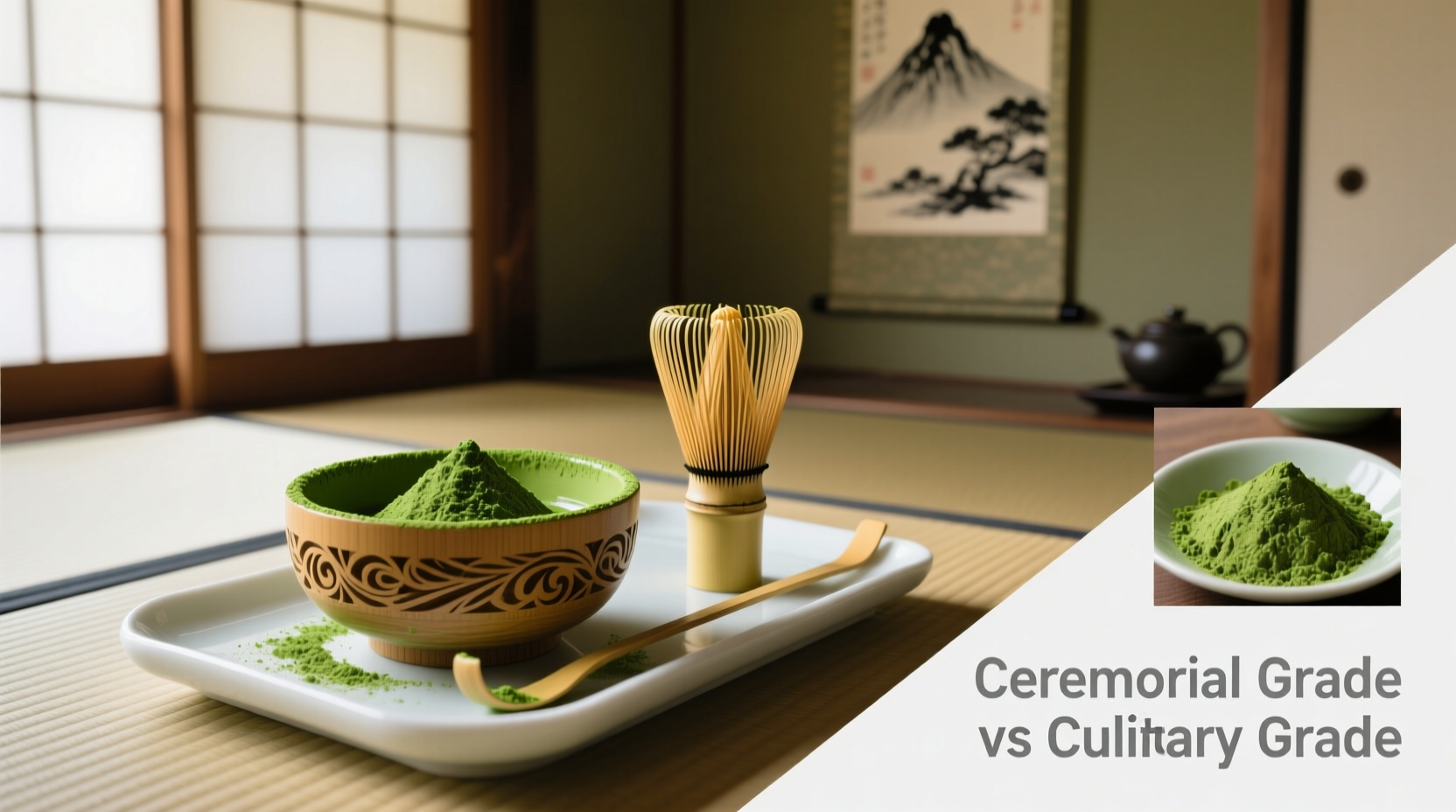
Matcha’s roots trace back to 12th-century Japan, where Zen Buddhist monks adopted powdered green tea as part of their meditation rituals. Unlike traditional steeped teas, matcha involves consuming the entire ground tea leaf, delivering a more concentrated dose of nutrients, antioxidants, and caffeine. This full-leaf consumption is central to its health appeal and sensory experience.
For centuries, matcha was cultivated with meticulous care in regions like Uji (Kyoto), Nishio (Aichi), and Shizuoka. These areas boast ideal conditions—fertile soil, misty mornings, and temperate climates—that contribute to the tea’s delicate flavor and vibrant color. The traditional methods used today have changed little over time, emphasizing quality over speed or volume. This adherence to artisanal production is one reason costs remain high.
“True matcha isn’t mass-produced. It’s grown slowly, shaded carefully, and stone-ground by hand. You’re not just paying for tea—you’re paying for centuries of refinement.” — Hiroshi Tanaka, Japanese Tea Master
Why Is Matcha So Expensive? Key Cost Drivers
The price of matcha can range from $10 to over $100 per 30 grams. While some variation reflects branding or packaging, the bulk of the cost stems from agricultural and manufacturing realities.
Shade-Growing Process
About 20–30 days before harvest, tea plants are covered with bamboo mats or black shade cloths. This blocks sunlight, forcing the leaves to produce more chlorophyll and L-theanine—an amino acid responsible for matcha’s umami taste and calming effects. This shading process increases labor and reduces yield, driving up costs.
Labor-Intensive Harvesting
Only the youngest, most tender leaves are hand-picked during the first flush (spring harvest). Mechanical harvesting is possible but often avoided for premium grades, as it can damage leaves and introduce impurities. Hand-harvesting is slow and requires skilled workers, further increasing production expenses.
Stone Grinding
After steaming and drying, the leaves become tencha—a precursor to matcha. To turn tencha into matcha, it must be ground into a fine powder using granite stone mills. These mills rotate slowly (about 40 RPM) to prevent heat buildup, which could degrade flavor and color. One mill produces only about 30–40 grams of matcha per hour. This painstakingly slow process significantly limits output and raises prices.
Geographic Limitations
Genuine Japanese matcha—especially from Uji or Nishio—is limited by geography and tradition. While China and other countries now produce lower-cost matcha, connoisseurs argue that climate, soil composition, and expertise give Japanese matcha superior taste and quality. Limited supply combined with growing global demand naturally inflates prices.
Ceremonial Grade vs Culinary Grade: What’s the Difference?
Not all matcha is created equal. The two primary classifications—ceremonial and culinary—reflect intended use, quality, and price. Confusion arises because these terms aren’t legally regulated, allowing brands to misuse them. True differentiation comes down to sourcing, texture, flavor, and preparation standards.
| Feature | Ceremonial Grade | Culinary Grade |
|---|---|---|
| Origin | First spring harvest (ichibancha) | Later harvests or second flush |
| Leaf Quality | Youngest, softest leaves only | Mature leaves, sometimes stems included |
| Taste Profile | Sweet, umami-rich, smooth, no bitterness | Bolder, more astringent, slightly bitter |
| Color | Vibrant emerald green | Duller green or yellowish tint |
| Texture | Fine, silky powder (particle size ~5–10 microns) | Coarser grind (up to 20 microns) |
| Best Use | Whisked with hot water (traditional tea ceremony) | Cooking, baking, lattes, smoothies |
| Price Range (per 30g) | $30–$80+ | $10–$25 |
Ceremonial grade is designed for mindful consumption—prepared traditionally by whisking 1–2 grams with 70–80°C water until frothy. Its delicate flavor shines without additives. Culinary grade, on the other hand, is formulated to withstand heat, milk, sugar, and other ingredients. While perfectly suitable for recipes, it lacks the nuance and balance required for solo sipping.
How to Choose the Right Matcha for Your Needs
Selecting matcha shouldn’t be about chasing the highest price tag or blindly trusting labels. Instead, align your choice with how you plan to use it. Here’s a practical guide to making smart decisions.
Step-by-Step Guide: Choosing Matcha Based on Purpose
- Define your use case: Will you drink it straight, blend it into lattes, or bake with it?
- Check the origin: Look for “Made in Japan” or specific regions like Uji or Kagoshima.
- Read ingredient list: True matcha contains only one ingredient: green tea. Avoid blends with fillers or anti-caking agents.
- Assess color: High-grade matcha should be bright green. Yellow or brown hues indicate oxidation or lower quality.
- Smell the sample: Ceremonial grade emits a fresh, grassy, almost sweet aroma. Stale or dusty smells suggest age or poor storage.
- Consider particle fineness: Finer powders dissolve better and feel smoother on the palate.
- Verify harvest season: First flush (spring) yields the best quality; later harvests are typically culinary.
Mini Case Study: A Café Owner’s Realization
When Sarah launched her plant-based café in Portland, she wanted to offer premium matcha lattes. She initially sourced a $12/30g “ceremonial grade” matcha from an online wholesaler. Customers complained of bitterness and graininess. After consulting a tea specialist, she discovered the product was actually culinary grade mislabeled for marketing appeal. She switched to a genuine Uji-sourced ceremonial matcha at $45/30g. Though costlier, she used less per serving, customer satisfaction soared, and repeat orders increased by 35%. The lesson? Authenticity pays off—even in commercial settings.
Common Myths and Misconceptions About Matcha
As matcha’s popularity grows, so do misconceptions that distort consumer expectations and fuel confusion.
- Myth: All green powders are matcha. False. Many products labeled “matcha” are blends of green tea powder with additives like spirulina, maltodextrin, or artificial coloring.
- Myth: Higher caffeine means better quality. Not true. Ceremonial matcha has moderate caffeine balanced by L-theanine, providing calm alertness—not jitters.
- Myth: Organic automatically means superior. While organic farming avoids pesticides, it doesn’t guarantee proper shading, grinding, or freshness. Certification matters, but so does craftsmanship.
- Myth: Any matcha can be used for ceremonies. Only ceremonial grade is appropriate for traditional preparation due to its refined taste and texture.
Checklist: How to Spot High-Quality Matcha
- ✅ Origin: Grown and processed in Japan
- ✅ Color: Bright, vivid green—not dull or yellow
- ✅ Aroma: Fresh, vegetal, slightly sweet
- ✅ Ingredients: 100% pure green tea (no fillers)
- ✅ Texture: Smooth, fine powder (no grit)
- ✅ Harvest: First flush (preferably spring)
- ✅ Packaging: Opaque, resealable, with a clear production date
Frequently Asked Questions
Can I use culinary grade matcha for drinking straight?
You can, but it’s not ideal. Culinary grade tends to be more bitter and astringent when consumed plain. It’s formulated to hold up against milk and sugar, so its flavor profile is less nuanced. For daily sipping, ceremonial grade offers a far more enjoyable experience.
Is expensive matcha worth it?
It depends on your goals. If you value flavor, purity, and tradition, then yes—high-end matcha delivers noticeable differences in taste, color, and effect. However, for baking or blending into smoothies, a good culinary grade provides excellent value without waste.
Does matcha expire?
Matcha doesn’t “expire” in the traditional sense, but it degrades quickly. Exposure to air, light, and moisture causes oxidation, leading to loss of vibrancy, aroma, and nutritional potency. For best results, use within 6 months of opening and store in a cool, dark place.
Conclusion: Making Informed Choices in the World of Matcha
Understanding why matcha is expensive isn’t about justifying luxury—it’s about recognizing the craftsmanship, time, and natural constraints behind a truly exceptional product. The divide between ceremonial and culinary grades isn’t merely marketing jargon; it reflects real differences in cultivation, processing, and sensory experience. By learning to read labels, assess quality, and match the right grade to your needs, you gain more control over your wellness routine, culinary creations, and budget.
Whether you're savoring a quiet morning bowl of ceremonial matcha or whipping up vibrant green pancakes for the family, respect for the craft enhances every sip and bite. Invest in quality where it matters, store it properly, and let the depth of this ancient beverage enrich your modern lifestyle.




 浙公网安备
33010002000092号
浙公网安备
33010002000092号 浙B2-20120091-4
Comments
No comments yet. Why don't you start the discussion?