
Air fryers have revolutionized home cooking by offering a faster, healthier alternative to deep frying. With little to no oil required, they deliver crispy results using rapid air circulation. However, when smoke starts billowing from your appliance mid-cook, it can be alarming—and potentially dangerous. While occasional light vapor may occur, consistent or heavy smoking is not normal and should never be ignored. Understanding the root causes and knowing how to respond quickly can prevent damage to your appliance, avoid kitchen hazards, and ensure uninterrupted meal prep.
Smoke in an air fryer typically stems from food residue, excess oil, improper loading, or mechanical issues. The good news? Most causes are preventable and fixable with simple adjustments. This guide breaks down the most frequent reasons for air fryer smoke, offers practical solutions, and provides expert-backed advice to help you maintain peak performance and safety.
Common Causes of Air Fryer Smoke
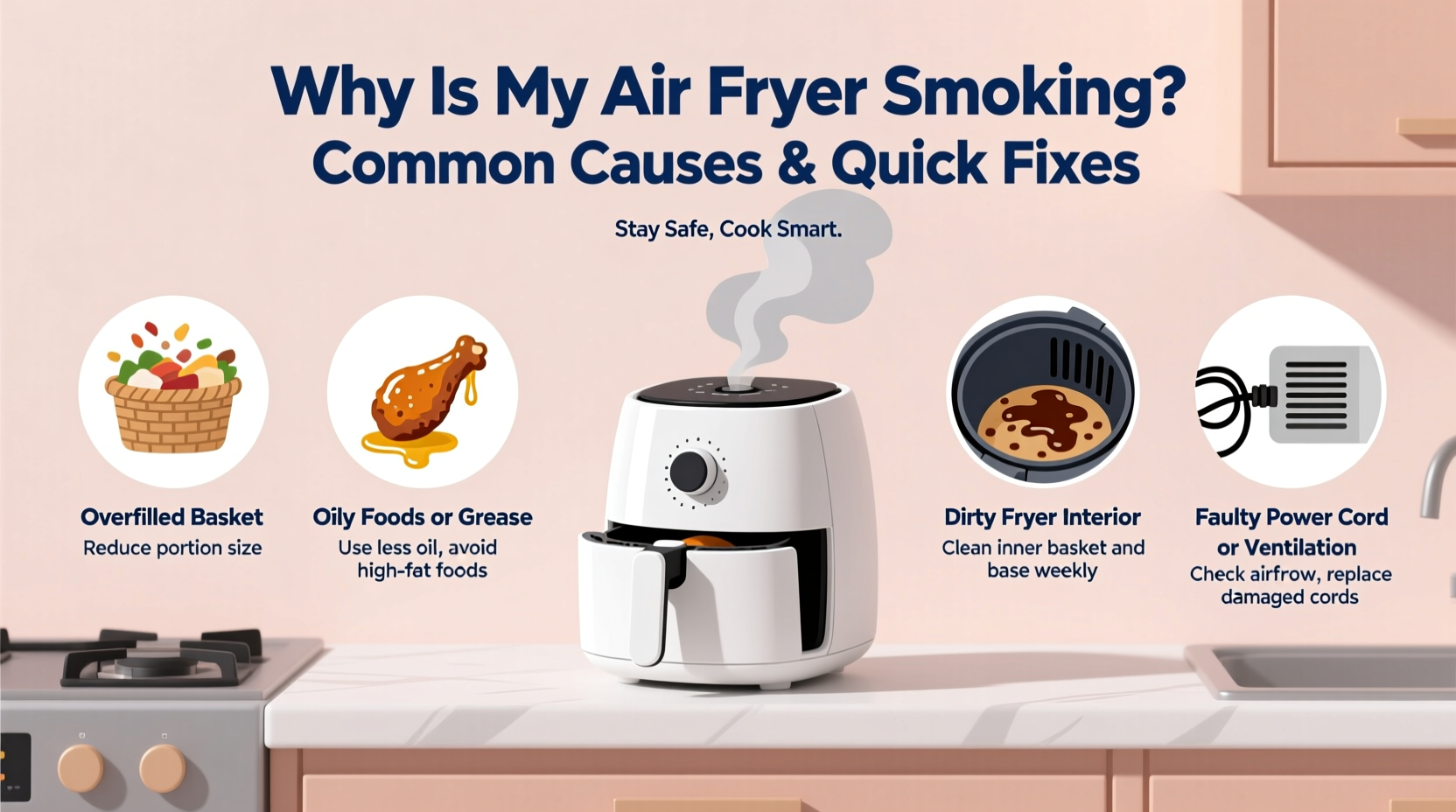
Before jumping to conclusions about a faulty unit, consider the most likely culprits behind the smoke. Many issues stem from user habits rather than equipment failure.
1. Excess Oil or Grease Buildup
While air fryers require minimal oil, some recipes—especially those involving fatty meats or frozen foods coated in oil—can release grease during cooking. When this drips onto the heating element, it burns instantly, producing smoke. Similarly, residual oil left from previous uses can ignite when reheated.
2. Food Residue Accumulation
Over time, tiny food particles, crumbs, and oils accumulate on the basket, tray, or interior walls. These remnants can char during subsequent uses, especially at high temperatures, leading to smoke and unpleasant odors.
3. Overcrowding the Basket
Packing too much food into the basket restricts airflow, forcing the appliance to work harder. This can cause uneven cooking and increase the chance of food bits burning against the heating coil. It also traps moisture and fats, which may later combust.
4. Cooking High-Fat Foods Without Proper Drainage
Foods like bacon, sausages, or marinated meats release significant fat during cooking. If the drip tray isn’t used or is full, grease splatters onto the heating element and smokes up the kitchen.
5. Damaged or Worn Components
Less commonly, internal issues such as a failing heating element, cracked non-stick coating, or electrical short can cause smoke. These require professional inspection and may void warranties if tampered with.
Quick Fixes to Stop and Prevent Smoking
When smoke appears, act immediately. Turn off and unplug the air fryer, allow it to cool completely, then assess the situation. Here’s what to do next based on the cause.
Step-by-Step Guide: Responding to Smoke During Use
- Stop the cook cycle immediately. Press the power button and unplug the unit from the outlet.
- Remove the basket and check contents. Look for burnt food, excessive grease, or debris.
- Inspect the heating element. Shine a flashlight inside; look for blackened spots or stuck-on residue.
- Clean all parts thoroughly. Wash the basket, tray, and drawer in warm soapy water. Use a non-abrasive sponge.
- Wipe down the interior chamber. Dampen a cloth with water and mild detergent; avoid submerging the main unit.
- Dry completely before reuse. Moisture can cause steam or minor smoke upon restart.
- Restart with adjusted settings. Reduce temperature slightly and avoid overcrowding.
Preventive Maintenance Checklist
Regular care drastically reduces the risk of smoke. Follow this checklist weekly or after every few uses:
- ✔ Clean the basket and drawer after each use
- ✔ Wipe interior walls with a damp cloth
- ✔ Empty and rinse the drip tray (if applicable)
- ✔ Inspect for chipped coating or warping
- ✔ Avoid cooking extremely greasy foods without a liner
- ✔ Use parchment liners or silicone mats for sticky or oily items
- ✔ Never use aerosol sprays containing lecithin (they leave residue that burns easily)
Do’s and Don’ts When Using Your Air Fryer
| Do’s | Don’ts |
|---|---|
| Use minimal oil—1/2 tsp max for most recipes | Don’t pour oil directly into the basket |
| Space food evenly for proper air circulation | Don’t overload the basket beyond ¾ capacity |
| Line the basket with perforated parchment paper | Don’t use aluminum foil unless absolutely necessary (can block airflow) |
| Cook fatty meats at lower temps (350°F max) | Don’t leave unattended when cooking high-fat foods |
| Check manufacturer guidelines for cleaning | Don’t immerse the main unit in water |
“Many air fryer issues stem from neglecting basic maintenance. A five-minute wipe-down after use prevents hours of troubleshooting later.” — Carlos Mendez, Appliance Repair Technician with 12 years of experience
Real Example: How One User Fixed Recurring Smoke Issues
Sarah, a busy mother of two in Austin, Texas, noticed her air fryer started smoking every time she cooked frozen fries. Initially, she assumed the appliance was defective and considered returning it. After reading online forums and checking the manual, she realized she hadn’t cleaned the drip tray in over a month. She disassembled the unit, removed a thick layer of hardened oil and potato starch from beneath the basket, and washed all removable parts. After reassembling, she tested it with a small batch of vegetables—no smoke appeared. Since then, she cleans the tray weekly and uses a liner for starchy foods. Her air fryer now runs smoothly, and she’s confident in troubleshooting future issues.
This case highlights how overlooked maintenance—even something as simple as a dirty drip tray—can lead to serious problems. Regular attention can extend the life of your appliance and eliminate safety risks.
When to Seek Professional Help
Most smoking incidents resolve with cleaning and behavioral adjustments. However, certain signs indicate deeper mechanical issues:
- Smoke continues even after thorough cleaning
- Burning plastic smell (not just food odor)
- Visible sparks or scorch marks inside the chamber
- Unit emits smoke without any food inside
- Unusual noises or error codes appear
If you observe any of these symptoms, stop using the air fryer immediately. Contact the manufacturer or an authorized repair center. Do not attempt to open or repair internal components yourself, as this poses fire and electrical hazards and will likely void your warranty.
Frequently Asked Questions
Is it normal for my air fryer to produce a little smoke?
Minimal vapor or faint smoke during the first few uses can occur due to factory residues burning off—a process known as “seasoning” the unit. However, persistent or thick smoke during regular use is not normal and requires investigation.
Can I use cooking spray in my air fryer?
Yes, but with caution. Avoid aerosol sprays containing propellants and lecithin, as these leave sticky residues that carbonize quickly. Instead, use pump-style oil sprayers filled with pure oil. Apply lightly and only to food—not the basket lining.
Why does my air fryer smoke when cooking bacon?
Bacon releases a large amount of fat, which drips onto the heating element and burns. To minimize smoke, cook bacon at 350°F, use a bacon-specific air fryer tray with a grease guard, or place a perforated liner underneath. Pre-cooling the bacon slightly (from fridge-cold) can also reduce sudden fat rendering.
Final Thoughts: Stay Safe and Cook Confidently
An air fryer should make cooking easier, not more hazardous. Smoke is a warning sign—one that shouldn’t be dismissed. By understanding the common triggers and taking proactive steps, you can enjoy consistent, safe results every time. Remember, prevention is far simpler than repair. A clean appliance performs better, lasts longer, and keeps your kitchen free of smoke alarms.
Make maintenance part of your routine. Just as you wouldn’t skip washing dishes, don’t overlook wiping down your air fryer. Small habits yield big returns in both safety and longevity. And if something feels off—whether it’s a strange smell, odd noise, or recurring smoke—trust your instincts and investigate.




 浙公网安备
33010002000092号
浙公网安备
33010002000092号 浙B2-20120091-4
Comments
No comments yet. Why don't you start the discussion?