
Opening an apple only to find brown spots or discoloration inside can be unsettling. While a perfectly crisp, white-fleshed apple is what most people expect, internal browning is surprisingly common. The good news? In many cases, it doesn’t mean the apple is spoiled or unsafe to eat. Understanding the science behind this phenomenon helps you determine whether it’s harmless or a sign of deeper issues like disease, improper storage, or overripeness.
Browning inside apples can stem from natural enzymatic processes, environmental stress during growth, or post-harvest handling. Some varieties are more prone to internal browning than others. Recognizing the root cause allows you to make informed decisions about consumption and storage—ensuring you get the best quality from every bite.
Natural Enzymatic Browning Explained
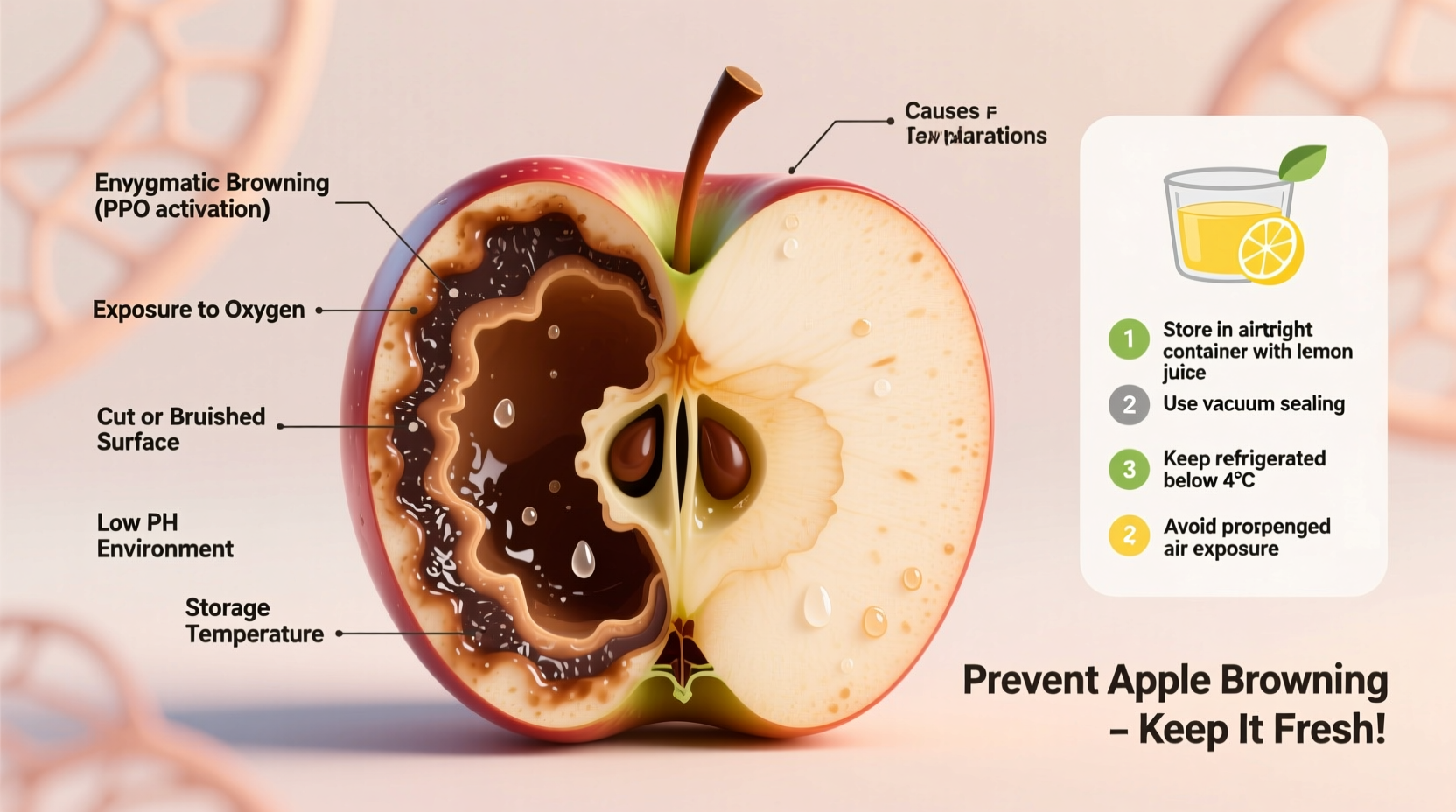
The most common reason for brown spots inside apples is enzymatic browning—a natural chemical reaction that occurs when apple cells are damaged. When the flesh of the apple is exposed to oxygen, enzymes called polyphenol oxidases (PPO) react with phenolic compounds in the fruit, producing brown pigments known as melanins.
This process typically begins at injury sites—such as bruises, punctures, or even microscopic damage from handling—but can spread internally over time, especially if the apple has been stored for weeks. Cold storage can slow the reaction, but it doesn’t stop it entirely. In fact, some apples develop internal browning *after* prolonged refrigeration due to low-oxygen conditions that disrupt normal respiration.
Common Causes of Internal Apple Browning
While enzymatic activity plays a major role, several other factors contribute to apples turning brown inside:
- Maturity at harvest: Overripe apples are more susceptible to internal breakdown, including browning and softening.
- Storage conditions: Apples kept too cold (< 30°F) may suffer from chilling injury, leading to internal browning. Conversely, warm storage accelerates ripening and decay.
- Low oxygen exposure: Controlled atmosphere (CA) storage used commercially can sometimes trigger \"low-oxygen injury,\" causing diffuse browning around the core.
- Varietal susceptibility: Certain cultivars like Honeycrisp, Fuji, and Empire are genetically predisposed to internal browning, especially under suboptimal conditions.
- Diseases: Fungal infections such as core rot or moldy core can mimic browning but often come with visible mold, off-smells, or mushiness.
“Internal browning in apples isn't always spoilage—it's often a physiological disorder linked to storage stress. Knowing the variety and history helps assess safety.” — Dr. Linda Thompson, Postharvest Physiologist, Cornell University
Differentiating Between Safe and Unsafe Browning
Not all brown apples are created equal. It’s crucial to distinguish between harmless enzymatic browning and signs of spoilage or disease.
| Type of Browning | Appearance | Smell & Texture | Safe to Eat? |
|---|---|---|---|
| Enzymatic Browning | Discrete brown spots near core or bruised areas | Firm texture, fresh apple scent | Yes, cut away affected parts if desired |
| Chilling Injury | Water-soaked areas progressing to brown flesh | Soggy, grainy texture; no foul odor | Largely safe, though quality is poor |
| Moldy Core | Brown-to-black discoloration with visible fungal growth | Musty smell, soft or slimy tissue | No—discard immediately |
| Core Rot | Dark brown to black center spreading outward | Foul odor, mushy consistency | No—pathogens may produce toxins |
Step-by-Step Guide: What to Do When You Find a Brown Apple
If you slice into an apple and notice internal browning, follow this logical sequence to determine your next steps:
- Inspect visually: Look for patterns. Is the browning localized near the core or scattered? Are there signs of mold or dark streaks?
- Smell the flesh: A fresh apple should have a clean, fruity aroma. Musty, fermented, or sour smells indicate microbial decay.
- Check texture: Gently press the flesh. If it’s firm despite discoloration, it’s likely safe. Soft, mushy, or watery areas suggest breakdown.
- Evaluate source and age: Was the apple recently purchased or has it been sitting for weeks? Older apples are more prone to deterioration.
- Decide: For minor browning without odor or texture change, cut out the discolored portion and consume the rest. If mold, slime, or foul odor is present, discard the entire apple.
Prevention Tips: How to Minimize Internal Browning
While you can’t control every factor affecting apple quality, especially when buying from stores, you can take practical steps to reduce the risk of encountering brown interiors.
- Store apples in the crisper drawer of your refrigerator
- Maintain humidity levels above 90% using a vented produce bag
- Avoid washing until ready to eat to preserve natural wax coating
- Use older apples first—practice “first in, first out” rotation
- Don’t store apples near strong-smelling foods; they absorb odors easily
Real Example: The Case of the Honeycrisp Dilemma
In 2022, a grocery chain in the Pacific Northwest received multiple customer complaints about brown centers in Honeycrisp apples. Upon investigation, agricultural experts traced the issue to extended controlled-atmosphere storage with slightly suboptimal oxygen levels. The apples showed no external signs of damage, but internal browning was widespread.
Rather than discarding the entire batch, the supplier worked with food safety specialists to implement better monitoring protocols. They adjusted gas mixtures in storage chambers and introduced pre-distribution visual inspections using non-destructive imaging. As a result, returns dropped by 70%, and consumer confidence improved. This case highlights how internal browning isn’t always a food safety hazard—but does require careful management from farm to table.
Frequently Asked Questions
Is it safe to eat an apple with brown spots inside?
In most cases, yes—especially if the browning is limited, the texture is firm, and there’s no off smell. Enzymatic browning is not harmful. Simply cut away the discolored portion if you prefer.
Why do some apple varieties brown more than others?
Varieties like Honeycrisp and Fuji have higher phenolic content and more active PPO enzymes, making them more prone to oxidation. Their cell structure also tends to break down faster under stress.
Can cooking or baking fix a brown apple?
Cooking won’t reverse internal browning, but it can mask appearance. However, if the apple already has a mealy or off-flavor texture due to spoilage, cooking won’t improve palatability. Always assess freshness before use.
Final Thoughts: Stay Informed, Not Alarmed
Finding a brown apple inside doesn’t automatically mean waste. More often than not, it reflects natural biochemical processes rather than contamination. By understanding the causes—enzymatic reactions, storage challenges, varietal traits—you gain the power to judge each apple on its actual condition, not just appearance.
Proper storage, timely consumption, and careful inspection go a long way in preserving apple quality. Whether you're packing school lunches, slicing for snacks, or baking a pie, knowing what’s behind the browning helps you make smarter, safer choices.




 浙公网安备
33010002000092号
浙公网安备
33010002000092号 浙B2-20120091-4
Comments
No comments yet. Why don't you start the discussion?