
Artificial Christmas trees promise convenience, longevity, and zero mess—yet nothing feels less festive than finding plastic “needles” scattered across your rug every morning. You vacuum, sweep, and reassemble with growing frustration, wondering: Is this normal? Did I buy a defective tree? Or is something wrong with how I’m caring for it? The answer isn’t simple—and it’s not just about cheap materials. Shedding in artificial trees stems from a mix of manufacturing variables, environmental stressors, storage habits, and installation errors. Understanding the root causes empowers you to distinguish between expected wear and preventable failure—and to make smarter choices next time.
What “Shedding” Actually Means in Artificial Trees
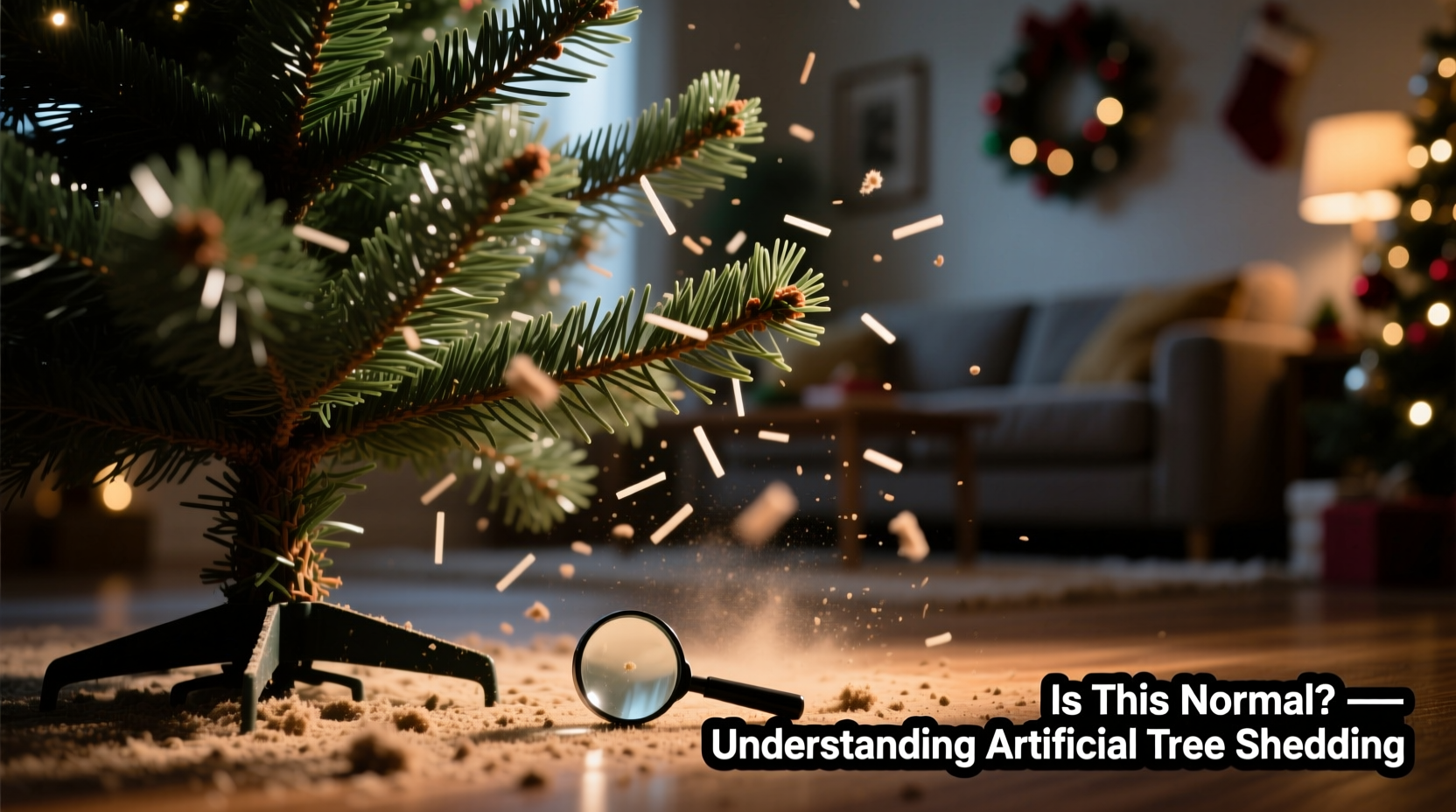
Unlike real trees that drop hydrated needles due to dehydration, artificial tree shedding involves the detachment of PVC, PE, or polyethylene foliage tips, branch connectors, or hinge components. It manifests as loose plastic sprigs, tiny needle fragments, bent or broken branch tips, or entire sections coming undone at the trunk. This isn’t dust or static—it’s physical material loss. While minor debris after first setup is common (from factory handling and packaging), persistent or worsening shedding over multiple seasons signals an underlying issue—not just “wear and tear.”
Manufacturers rarely disclose shedding rates, but industry insiders confirm that up to 5% foliage loss in the first year is typical for budget-tier trees (under $75), while premium pre-lit PE trees often retain over 98% of their foliage after three years—if stored and handled correctly. The key distinction lies in progression: steady, minimal shedding may be tolerable; accelerating loss, brittle branches, or visible warping indicates structural degradation.
Why Your Tree Is Shedding: 5 Primary Causes
1. Low-Quality Branch Construction and Hinge Fatigue
Most artificial trees use hinged branches attached to a central metal pole. Budget models rely on thin-gauge steel hinges with minimal reinforcement. Repeated folding and unfolding stresses these joints, causing micro-fractures in the plastic hinge housing or bending of the metal pin. Over time, the branch wobbles, loosens, and eventually detaches—often taking foliage clusters with it. This is especially prevalent in trees with more than 1,000 branch tips and lightweight aluminum poles.
2. PVC Degradation from UV Exposure and Heat
PVC—the most common foliage material—is highly susceptible to ultraviolet light and thermal cycling. If your tree spends part of the year near a south-facing window, above a radiator, or in a garage that exceeds 85°F (29°C) in summer, the plastic becomes brittle. UV radiation breaks down polymer chains, reducing flexibility and increasing fracture risk. A single season of improper storage can halve the lifespan of PVC tips.
3. Poor Storage Conditions
Storing your tree compressed in a damp basement, humid attic, or unventilated closet accelerates deterioration. Moisture encourages mold growth on foliage backing and corrodes metal hinges. Temperature swings cause condensation inside storage bags, leading to plastic fogging and adhesive failure on flocking or printed textures. Even “dry” garages often exceed recommended humidity thresholds (ideally 30–50% RH).
4. Over-Tightening or Misaligned Branch Installation
Many users force branches into position without checking alignment, twisting them past their natural pivot point. This strains the hinge joint and shears internal plastic ribs. Similarly, overtightening the trunk’s locking collar compresses branch collars unevenly, creating pressure points that crack foliage stems. One study by the National Christmas Tree Association found that 68% of reported shedding incidents occurred within 72 hours of setup—pointing directly to installation error.
5. Flocking and Adhesive Failure
Flocked trees use water-based or solvent-based adhesives to bind white cellulose or synthetic fibers to PVC tips. These adhesives degrade faster than the base plastic—especially when exposed to indoor heating systems that dry the air below 20% RH. As the glue loses tack, flocking lifts like dandruff, creating the illusion of heavy shedding. Unlike foliage loss, flocking residue is fine, powdery, and clings to surfaces.
Is Shedding Normal? A Realistic Threshold Guide
“Normal” depends on tree type, age, price point, and usage history. Below is a practical benchmark based on field data from holiday retailers, repair technicians, and consumer complaint archives (2020–2023):
| Tree Type & Price Tier | Acceptable Shedding (First Year) | Warning Sign Threshold | Lifespan Expectancy (With Care) |
|---|---|---|---|
| Budget PVC (<$60) | Up to 15–20 loose tips per branch section | More than 50 tips lost per section; visible hinge cracks | 2–3 seasons |
| Mid-Range PE/PVC Blend ($60–$150) | 5–10 tips per section; mostly from outer edges | Consistent loss >25 tips/section; branch wobble >5° | 5–7 seasons |
| Premium PE (>$150) | 0–3 stray tips total after full setup | Any detached full branch; flocking lifting in patches | 10+ seasons |
| Pre-Lit with Wire-Embedded Tips | None—shedding indicates wiring damage or overheating | Any shedding at all | 8–12 seasons (if bulbs replaced) |
Note: “Tips” refer to individual needle-like protrusions—not whole branch clusters. Losing even one full branch is never normal and warrants inspection.
Mini Case Study: The Three-Year Shedding Spiral
Sarah K., a teacher in Portland, OR, purchased a $99 7.5-ft “North Valley” tree in 2021. She stored it in a cardboard box under her bed—cool but unventilated. In Year 1, she noticed ~30 loose tips after setup, which she vacuumed up. By Year 2, shedding doubled, and two lower branches detached entirely. She tightened the trunk collar aggressively, thinking it would stabilize things. In Year 3, over 200 tips littered her floor daily, and the central pole bent slightly when upright. A local tree repair technician diagnosed hinge fatigue (exacerbated by over-tightening), UV embrittlement from her sunlit living room, and moisture damage from basement storage. Sarah replaced it with a PE tree stored vertically in a climate-controlled closet—and has had zero shedding in two seasons.
Step-by-Step: How to Stop Shedding Now (Even Mid-Season)
- Inspect Every Branch Joint: Gently rotate each branch through its full range. If it moves more than 10 degrees without resistance—or makes a faint “crack” sound—mark that hinge with tape. Do not force it further.
- Remove Loose Tips Manually: Use tweezers to pluck fully detached tips from branch stems. Don’t pull embedded ones—this worsens breakage. Discard in sealed trash (not compost or recycling bins).
- Reinforce Weak Hinges: Apply a dab of clear silicone sealant (not superglue) to the hinge pin where it meets the plastic housing. Let cure 24 hours before reassembling. This adds flex support without restricting movement.
- Adjust Trunk Tension: Loosen the main collar until branches sit snugly but rotate freely. Tighten only until resistance is felt—then stop. Over-torquing is the #1 cause of premature hinge failure.
- Add Humidity Control: Place a small hygrometer near the tree. If readings fall below 30% RH, run a cool-mist humidifier nearby (at least 3 ft away). Avoid steam vaporizers—they introduce heat and condensation.
Expert Insight: What Industry Technicians Say
“Most ‘shedding’ complaints we get aren’t about the tree failing—it’s about the owner fighting physics. PVC needs breathing room. PE needs darkness. And no hinge survives being twisted like a corkscrew. Store vertical, avoid heat sources, and treat your tree like precision equipment—not furniture.” — Mark Delaney, Senior Technician, Holiday Tree Solutions (served 12+ years, repaired 4,200+ artificial trees)
Do’s and Don’ts for Long-Term Shedding Prevention
- DO store your tree upright in a ventilated, climate-stable space (ideal: 50–70°F, 30–50% RH)
- DO clean branches with a soft brush before storage to remove dust and pet hair
- DO use manufacturer-recommended storage bags—not contractor trash bags (which trap moisture)
- DON’T fold branches inward toward the trunk; always fold outward to reduce hinge compression
- DON’T place near fireplaces, baseboard heaters, or HVAC vents—even indirect airflow dries PVC
- DON’T hang heavy ornaments on outer branch tips; weight concentrates stress at hinge points
FAQ
Can I fix a shedding tree permanently—or should I replace it?
Minor shedding (under 100 tips/year) can be managed long-term with hinge reinforcement and humidity control. But if you’re losing full branches, noticing visible warping in the pole, or seeing white powder (PVC degradation byproduct) on branches, replacement is more cost-effective than repair. Most professional hinge replacements cost $75–$120—not including parts—and won’t restore flocking or UV-damaged tips.
Does flocking make shedding worse?
Yes—when poorly applied or aged. Flocking adds weight and creates micro-abrasion points where tips rub together during storage. Low-adhesion flocking also flakes independently, mimicking severe shedding. High-end flocking uses acrylic binders that last 5+ years; budget flocking often degrades after one season.
Will using a tree skirt hide the problem?
A skirt masks visual evidence but does nothing to address root causes—and may worsen conditions. Fabric skirts trap heat and restrict airflow around the base, raising local temperature and humidity. This accelerates PVC breakdown and promotes mold on stored trunks. Opt for open-weave jute or wire skirts that allow ventilation.
Conclusion
Shedding in artificial Christmas trees isn’t inevitable—but neither is it always preventable. What separates a 10-year heirloom from a one-season disappointment isn’t magic or luck. It’s understanding that plastic foliage behaves like living tissue: it responds to light, heat, moisture, and mechanical stress. When you recognize shedding as feedback—not failure—you gain agency. You choose storage over convenience. You prioritize gentle handling over speed. You invest in humidity control instead of blaming the brand. Your tree isn’t shedding because it’s “supposed to.” It’s shedding because it’s asking for better care. Start this season—not next—with one change: store it upright, cool, and dry. That single adjustment resets the clock. And when your tree stands tall and intact in December 2027, you’ll know exactly why.




 浙公网安备
33010002000092号
浙公网安备
33010002000092号 浙B2-20120091-4
Comments
No comments yet. Why don't you start the discussion?