
Every year, millions of households across the world bring home artificial Christmas trees—praised for their convenience, reusability, and low maintenance. But recent environmental and health research has uncovered an unexpected downside: these festive decorations may be silently releasing microplastics into your living space. These tiny plastic particles, often invisible to the naked eye, can become airborne or settle in dust, posing potential risks to respiratory health and indoor air quality. Understanding why this happens—and how to minimize it—is essential for maintaining a joyful, healthy holiday season.
The issue stems from the very materials that make artificial trees durable and long-lasting: polyvinyl chloride (PVC), polyethylene (PE), and other synthetic polymers. Over time, especially with repeated assembly, storage, and exposure to heat or sunlight, these plastics degrade. Tiny fragments break off through mechanical stress and oxidation, becoming microplastics—particles less than 5 millimeters in size. Unlike natural debris, these do not biodegrade and can accumulate in homes, lungs, and even water systems.
How Artificial Trees Become Microplastic Sources
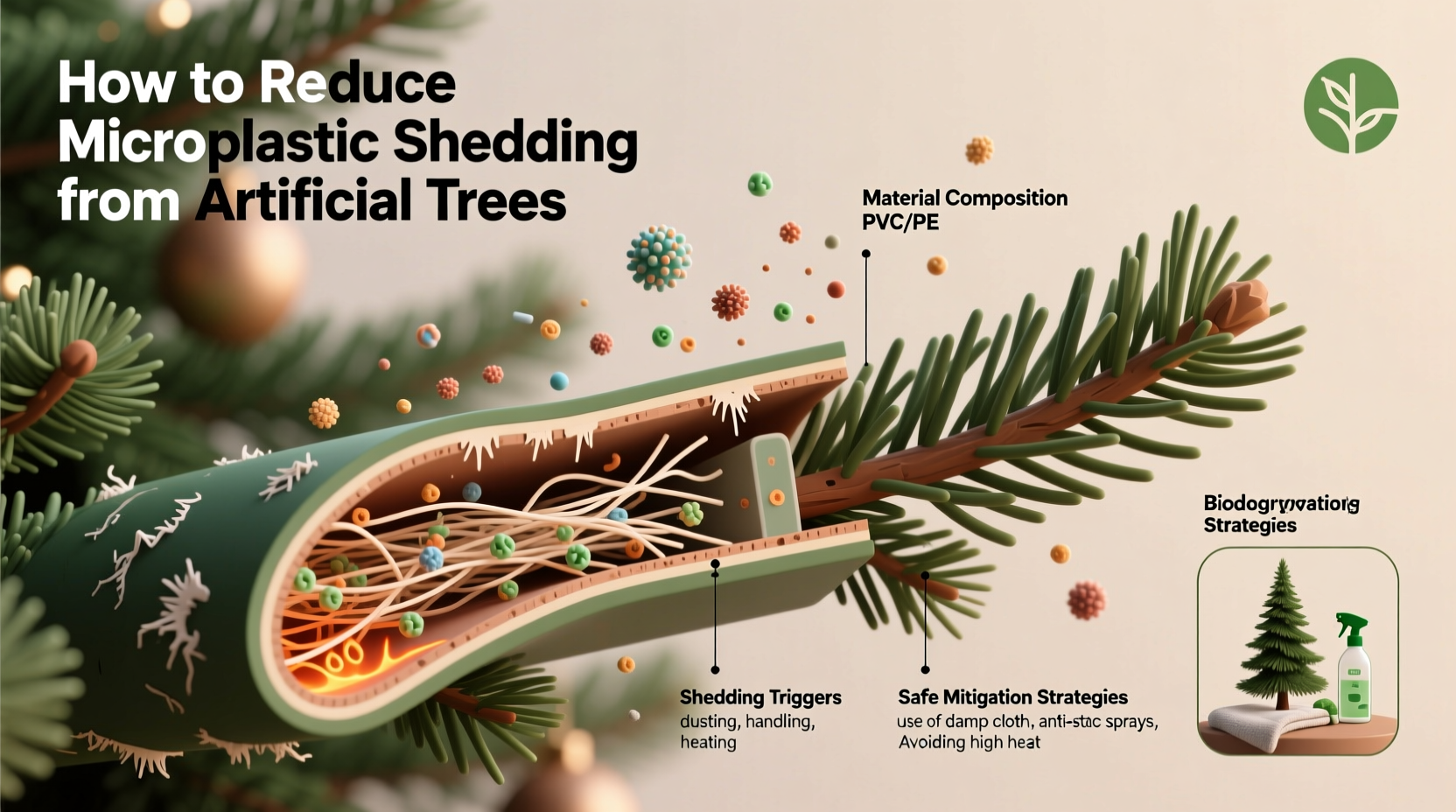
Artificial Christmas trees are typically made from a blend of plastics engineered to mimic the look and feel of real pine or fir. The most common material, PVC, is favored for its flexibility and flame resistance but is also notoriously prone to degradation. When trees are unpacked after months in storage, handled roughly during setup, or exposed to dry indoor heating, microscopic cracks form in the plastic needles and branches. These fissures release particles into the surrounding environment.
A 2023 study conducted by the University of Plymouth found that artificial trees can shed up to 1,500 microplastic particles per square meter over a single holiday season. Dust samples collected from homes using artificial trees showed significantly higher concentrations of phthalates—a chemical used to soften PVC—than those with real trees or no trees at all. Phthalates are endocrine disruptors linked to developmental and reproductive health concerns, making their presence particularly troubling in family environments.
The shedding process accelerates under certain conditions:
- Mechanical wear: Bending, twisting, or forceful fluffing of branches during setup.
- Heat exposure: Proximity to radiators, fireplaces, or direct sunlight weakens plastic integrity.
- Poor storage: Folding trees into tight bags or storing them in hot attics increases brittleness.
- Age of the tree: Trees older than five years show exponentially higher shedding rates due to cumulative stress.
Health and Environmental Implications
Microplastics are more than just household dust—they represent a growing public health concern. Once released, these particles can remain suspended in the air or settle into carpets, upholstery, and HVAC systems. Inhalation of microplastics has been associated with inflammation in lung tissue, reduced respiratory function, and increased susceptibility to asthma and allergies, particularly in children and elderly individuals.
Indoor air quality studies have shown that homes with artificial trees see a temporary spike in airborne particulate matter during the first few days after setup—the period when handling and agitation are highest. Vacuum cleaners without HEPA filters often redistribute these particles instead of capturing them, worsening exposure.
From an environmental perspective, the problem extends beyond the home. When microplastics are vacuumed or washed down drains, they enter wastewater systems. Most treatment plants are not equipped to filter out particles of this size, allowing them to reach rivers, lakes, and oceans. There, they enter the food chain, affecting aquatic life and eventually humans who consume seafood.
“Even seemingly harmless household items like artificial trees contribute to the global microplastic burden. Reducing exposure starts with awareness and small behavioral changes.” — Dr. Lena Torres, Environmental Toxicologist, Institute for Indoor Air Research
Effective Strategies to Reduce Microplastic Shedding
While eliminating microplastic release entirely may not be possible with current artificial tree designs, several practical steps can dramatically reduce shedding and exposure. Implementing these measures protects both human health and the environment.
1. Choose Lower-Risk Tree Materials
Not all artificial trees are created equal. PVC-heavy models are the worst offenders. Opt instead for trees labeled as “PVC-free” or made primarily from polyethylene (PE). PE is more stable, less brittle, and tends to shed fewer particles over time. Though often more expensive, PE trees usually offer a more realistic appearance and better durability.
2. Pre-Fluff and Clean Outdoors
Before bringing your tree inside, set it up in a garage, patio, or outdoor area. Gently shake each branch and use a soft brush to remove loose debris. This pre-cleaning step captures the majority of already-loose microplastics before they enter your living space.
3. Use a Microfiber Cloth During Setup
As you assemble the tree, wipe branches with a slightly damp microfiber cloth. This traps fine particles before they become airborne. Avoid dry cloths or feather dusters, which can stir up dust rather than capture it.
4. Maintain Stable Indoor Conditions
Keep the tree away from heat sources and direct sunlight. Ideal placement includes cooler rooms with consistent temperatures. Humidity levels between 40% and 60% help reduce static buildup, which can attract and suspend microplastics in the air.
5. Invest in Air Purification
Run a HEPA-filter air purifier in the room where the tree is displayed. HEPA filters can capture particles as small as 0.3 microns, including many microplastics. Position the unit near the tree but not so close that airflow disturbs the branches.
6. Vacuum Smartly
After setup and periodically throughout the season, vacuum around the base of the tree using a vacuum cleaner equipped with a HEPA filter. Use the brush attachment gently to avoid breaking off additional needles. Avoid sweeping, which lifts particles into the air.
Step-by-Step Guide: Safe Tree Handling Routine
Follow this timeline each holiday season to minimize microplastic exposure:
- Week 1 (Unpacking): Remove the tree from storage in a well-ventilated area or outdoors. Lay down a drop cloth to catch debris.
- Day 1 (Pre-Cleaning): Shake each section and wipe branches with a damp microfiber cloth. Let dry completely before assembly.
- Day 2 (Assembly): Set up the tree indoors in its designated spot. Wipe again lightly if needed.
- Day 3 (Air Quality Prep): Turn on a HEPA air purifier in the room. Monitor humidity with a hygrometer.
- Weekly (Maintenance): Vacuum the floor around the tree weekly. Wipe lower branches if dust accumulates.
- Post-Holiday (Storage): Disassemble carefully. Brush off any remaining dust before packing.
Do’s and Don’ts of Artificial Tree Care
| Do | Don’t |
|---|---|
| Use a HEPA air purifier during display | Place the tree near radiators or heating vents |
| Clean branches with a damp microfiber cloth | Use chemical sprays or waxes on plastic needles |
| Store in a cool, dry place in a fabric bag | Compress the tree tightly or store in an attic |
| Inspect annually for signs of wear | Reassemble broken or cracked branches |
| Vacuum with a HEPA-equipped cleaner | Use a broom or dry duster near the tree base |
Real Example: A Family’s Experience with Tree-Related Allergies
The Reynolds family in Portland, Oregon, began noticing recurring congestion and sneezing every December. Their two children developed mild wheezing shortly after setting up their eight-year-old artificial tree. Concerned, they consulted an allergist, who suggested testing their home for indoor pollutants. Dust analysis revealed elevated levels of phthalates and microplastics—traced directly to the aging tree.
Following the specialist’s advice, they adopted a new routine: pre-cleaning the tree outdoors, upgrading to a HEPA vacuum, and installing an air purifier. They also replaced the old tree two years later with a newer PE model. Within one season, respiratory symptoms dropped significantly. “We didn’t realize our ‘eco-friendly’ reusable tree was contributing to our kids’ health issues,” said Sarah Reynolds. “Now we’re much more mindful about what we bring into our home.”
Frequently Asked Questions
Can I test my home for microplastics from my Christmas tree?
Yes, specialized environmental labs offer indoor dust testing kits that analyze microplastic and phthalate levels. While not routinely covered by insurance, these tests can provide valuable insight into household pollutant sources. Results typically take 2–3 weeks.
Are real Christmas trees a safer alternative?
In terms of microplastic shedding, yes—real trees do not release synthetic particles. However, they may trigger allergies in sensitive individuals due to mold spores or pollen. From an environmental standpoint, real trees are biodegradable and often sourced from sustainable farms, though transportation and disposal logistics should be considered.
How long do artificial trees typically last before shedding becomes a serious issue?
Most artificial trees begin showing significant degradation after 5–7 years, especially if stored improperly or used frequently. Signs include brittle needles, discoloration, and visible cracking. Replacing trees beyond this point reduces both aesthetic quality and health risks.
Action Plan Checklist
Use this checklist each holiday season to ensure safe, low-shedding tree use:
- ☑ Unpack the tree in a ventilated or outdoor area
- ☑ Inspect for brittle or damaged branches
- ☑ Pre-clean with a damp microfiber cloth
- ☑ Assemble away from heat and sunlight
- ☑ Run a HEPA air purifier in the room
- ☑ Vacuum weekly with a HEPA-filter vacuum
- ☑ Store in a breathable fabric bag in a cool, dry place
- ☑ Replace the tree every 7–10 years or sooner if shedding increases
Conclusion: Protect Your Home and Health This Holiday Season
Your artificial Christmas tree should bring joy—not hidden health risks. By understanding the causes of microplastic shedding and taking proactive steps, you can enjoy the convenience of a reusable tree while minimizing exposure to harmful particles. Small changes in cleaning, placement, and storage make a measurable difference in indoor air quality and long-term safety.
This holiday season, treat your tree not just as a decoration, but as part of your home’s environmental ecosystem. With informed care, you can maintain tradition without compromising well-being. Share these tips with friends and family to spread awareness and help others create healthier, happier holidays.




 浙公网安备
33010002000092号
浙公网安备
33010002000092号 浙B2-20120091-4
Comments
No comments yet. Why don't you start the discussion?