
Every holiday season, families across the country unpack their artificial Christmas trees with excitement—only to find a frustrating surprise: scattered green plastic needles on the floor, tangled in branches, or clinging to ornaments. Unlike real trees, artificial ones are designed for reuse year after year, but shedding tips can turn what should be a joyful tradition into a constant cleanup chore. The good news? Most shedding isn’t random or inevitable. It’s usually preventable with the right knowledge and care.
This guide dives into the root causes of artificial tree tip shedding, separates myths from facts, and provides actionable solutions to keep your tree looking full, fresh, and mess-free through the holidays—and for many seasons to come.
Understanding Artificial Tree Construction
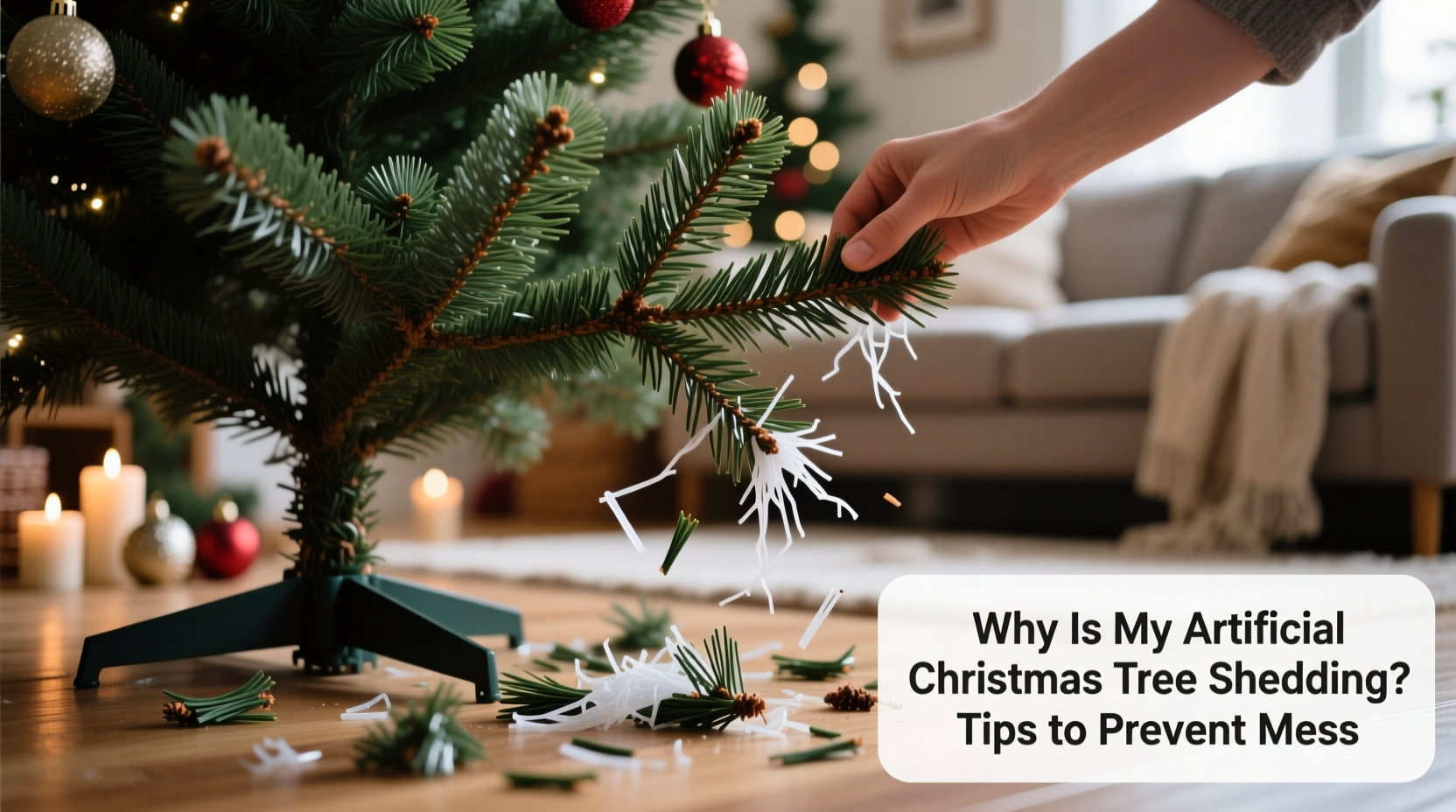
Artificial Christmas trees are typically made from polyvinyl chloride (PVC), polyethylene (PE), or a blend of both materials. These synthetic plastics mimic the look of real pine, fir, or spruce foliage. While durable, they aren’t indestructible. The \"tips\" you see are individual molded branches or needle clusters attached to a central wire or plastic stem. Over time, stress, improper storage, or manufacturing flaws can cause these tips to detach.
The quality of construction varies significantly between budget and premium models. Lower-cost trees often use thinner plastic for needles and weaker attachment points, making them more prone to breakage. Higher-end models may feature hinged branch systems, UV-resistant coatings, and reinforced tips that resist wear.
Common Causes of Tip Shedding
Shedding doesn’t always mean your tree is defective. Often, it's the result of one or more manageable factors. Identifying the source is the first step toward prevention.
1. Improper Storage
Storing your tree in a compressed state or exposing it to extreme temperatures weakens plastic components. Folding branches too tightly during packing creates stress fractures that lead to tip loss when unfolded the next season.
2. Age and Material Degradation
PVC becomes brittle over time, especially when exposed to sunlight, heat, or moisture. Trees stored in garages or attics may degrade faster due to temperature fluctuations and humidity.
3. Rough Handling During Assembly
Yanking or forcing branches into place can snap delicate connectors. Many people don’t realize that artificial tree limbs require gentle handling—similar to fragile ornaments.
4. Low-Quality Manufacturing
Budget trees often cut corners: thin plastic, poorly secured tips, or inadequate branch frames. These flaws become apparent after just one or two uses.
5. Dust and Debris Buildup
Dust accumulation inside crevices can act as an abrasive over time. As branches move during setup, grit wears down connection points, accelerating shedding.
“Most artificial tree shedding we see in service centers traces back to storage issues—not product failure.” — Daniel Reeves, Holiday Decor Technician at Evergreen Home Accents
Step-by-Step Guide to Preventing Tip Shedding
Prevention starts long before the holidays. Follow this timeline to protect your investment and reduce mess each season.
- After the Holidays – Careful Disassembly
Take your tree down branch by branch. Don’t yank sections apart. Fold limbs gently toward the trunk, following their natural hinge direction if applicable. - Cleaning Before Storage
Use a soft microfiber cloth or a handheld vacuum with a brush attachment to remove dust. For stubborn grime, lightly dampen a cloth with water and mild soap—never spray directly on the tree. - Dry Thoroughly
If any moisture was used, allow the tree to air-dry completely in a well-ventilated area before packing. Trapped moisture promotes mold and accelerates material breakdown. - Use a Proper Tree Storage Bag or Box
Invest in a durable, rigid-sided storage container designed for artificial trees. These prevent crushing and protect against pests. Avoid compressing the tree beyond its folded design. - Store in a Climate-Controlled Environment
Keep the tree in a closet, under-bed container, or climate-controlled basement. Avoid attics, garages, or sheds where temperatures fluctuate drastically. - Set Up Gently Next Season
When unpacking, unfold branches slowly. Rotate each section outward rather than pulling up abruptly. This preserves hinge integrity and tip attachments.
Tips and Best Practices Checklist
- ✅ Disassemble the tree carefully after each season
- ✅ Clean branches with a dry or slightly damp cloth
- ✅ Allow all parts to dry fully before storing
- ✅ Use a sturdy, size-appropriate storage container
- ✅ Store indoors, away from heat, cold, and humidity
- ✅ Avoid stacking heavy items on top of the storage bag
- ✅ Handle branches gently during setup—no forceful unfolding
- ✅ Inspect for loose tips annually and secure or replace if possible
Do’s and Don’ts: How to Handle and Store Your Tree
| Do | Don’t |
|---|---|
| Use a dedicated tree storage bag with straps | Compress the tree into a smaller box |
| Clean dust before storage | Store while damp or dirty |
| Store in a cool, dry, indoor space | Leave in an unheated garage or attic |
| Unfold branches slowly and evenly | Pull or yank limbs into position |
| Check manufacturer instructions for care | Assume all trees are handled the same way |
Real Example: A Family’s Fix for a Shedding Tree
The Thompson family had owned a 7.5-foot pre-lit artificial tree for eight years. Each December, they noticed increasing amounts of green debris on their hardwood floors. At first, they blamed “normal wear,” but by year six, the lower third of the tree looked noticeably sparse.
They decided to investigate. After disassembling the tree post-holidays, they found that the storage bag—a flimsy fabric sleeve—had allowed the middle section to bend unnaturally. Further inspection revealed cracked PVC tips on several key branches. They replaced the bag with a rigid plastic barrel-style container, cleaned each branch with a lint-free cloth, and labeled sections for easier setup.
The next season, shedding dropped by over 80%. By year nine, the tree still looked full and vibrant. Their simple changes extended the tree’s usable life by at least three additional seasons—saving them hundreds compared to buying a replacement.
Frequently Asked Questions
Is some shedding normal for artificial trees?
Minimal shedding during the first few setups can occur, especially in new trees, due to loose manufacturing residue or unstressed plastic settling. However, ongoing or excessive shedding is not normal and indicates a problem with storage, handling, or quality.
Can I fix broken or loose tips?
In some cases, yes. Small detached tips can be reattached using a dab of strong, clear adhesive like E6000. However, this works best for aesthetic fixes on visible areas—it won’t restore structural strength. For large-scale damage, consider replacing the affected branch section or upgrading the tree.
How long should an artificial Christmas tree last without shedding?
A well-maintained, mid-to-high-end artificial tree should remain largely shed-free for 10–15 years. With excellent care, some premium models last over 20 years. Consistent cleaning, proper storage, and gentle handling are key to longevity.
When to Consider Replacing Your Tree
Sometimes, prevention isn’t enough. If your tree shows multiple signs—widespread brittleness, discoloration, persistent shedding despite proper care, or broken frame supports—it may be time to retire it. Modern trees offer better materials, improved fire resistance, and more realistic foliage. Investing in a higher-quality model now can save money and hassle in the long run.
Look for features like:
- PE (polyethylene) foliage for lifelike texture
- Metal frame construction for stability
- Hinged branch design for easier setup
- UV protection to prevent fading and cracking
“The best artificial tree is the one you forget about—because it goes up easily, looks great, and doesn’t leave a mess.” — Lena Park, Interior Stylist & Holiday Decor Consultant
Conclusion: Keep Your Holidays Merry and Mess-Free
An artificial Christmas tree should bring joy, not frustration. Shedding tips aren’t just unsightly—they signal preventable wear that shortens your tree’s lifespan. By understanding the causes and committing to better care practices, you can preserve both the appearance and function of your holiday centerpiece for years to come.
Start today: inspect your current storage method, clean your tree before putting it away, and invest in a proper container. Small actions now lead to big results later. A well-cared-for tree means less cleanup, fewer replacements, and more time enjoying the magic of the season.




 浙公网安备
33010002000092号
浙公网安备
33010002000092号 浙B2-20120091-4
Comments
No comments yet. Why don't you start the discussion?