
Avocados are a kitchen staple for many—creamy, nutrient-dense, and versatile in everything from toast to smoothies. But nothing is more disappointing than cutting into an avocado that looks perfect on the outside only to find brown streaks or patches inside, despite the flesh remaining firm. This isn't just unappetizing—it raises questions about safety, storage, and whether you've been handling avocados correctly all along. Understanding why this happens involves diving into the biology of the fruit, environmental factors during ripening, and common post-harvest mistakes.
Browning in avocados isn’t always a sign of overripeness. In fact, when the fruit is still firm, internal browning often indicates a disruption in the ripening process rather than spoilage. Let’s explore the science behind this phenomenon, identify the causes, and provide actionable steps to ensure your next avocado is perfectly ripe and green all the way through.
What Causes Browning Inside a Firm Avocado?
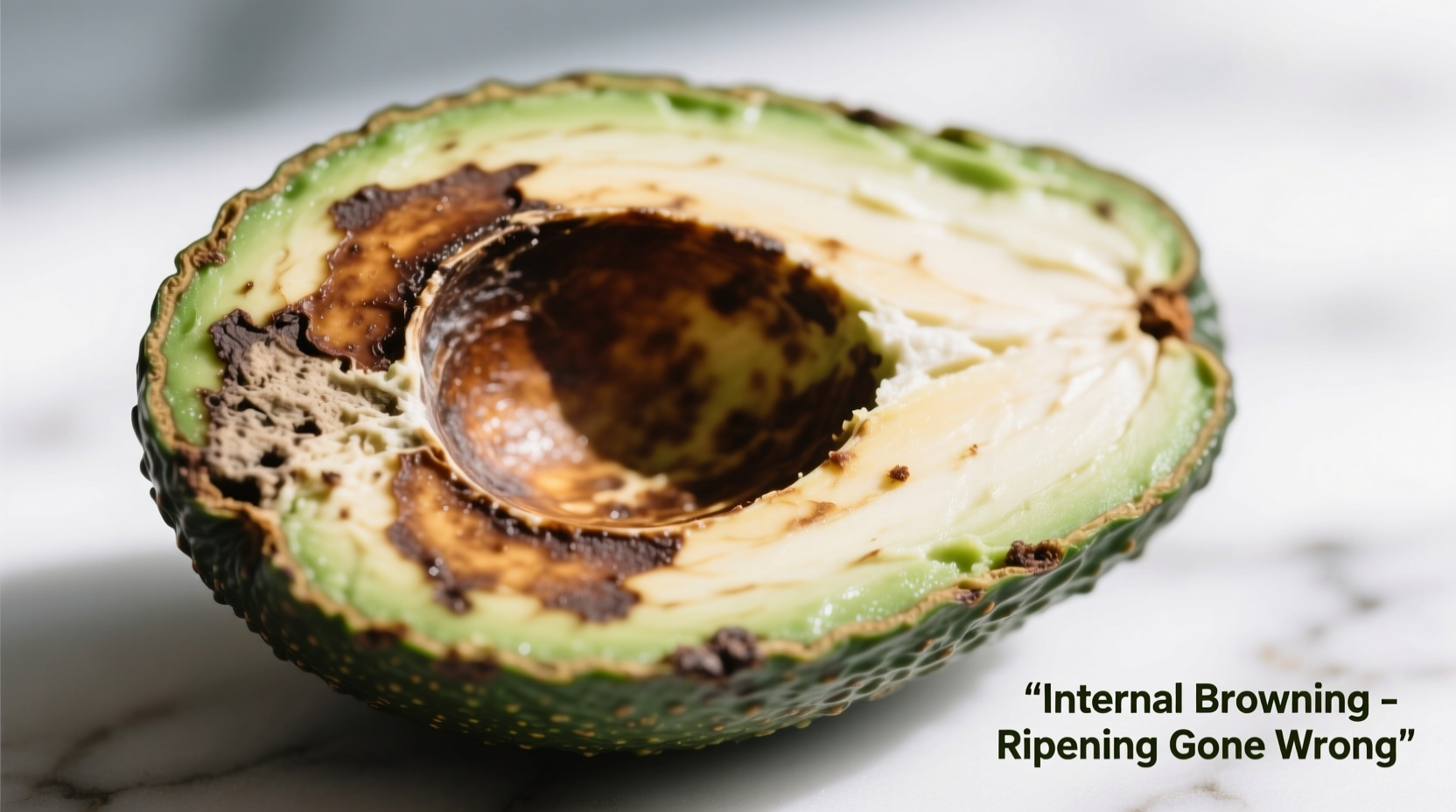
Unlike surface browning caused by oxidation after cutting, internal browning in unripe or partially ripe avocados typically stems from physiological disorders or stress during growth and storage. These issues interfere with normal enzymatic activity and cell structure, leading to discoloration even before the fruit softens.
The primary culprits include:
- Cold damage: Exposure to temperatures below 40°F (4°C) can cause chilling injury, disrupting cellular membranes and triggering oxidative reactions.
- Overmaturity at harvest: Avocados picked too late may have already begun internal degradation, even if they appear firm.
- Poor airflow during storage: Trapped ethylene gas or high humidity can accelerate uneven ripening and tissue breakdown.
- Physical trauma: Bruising during transport damages cells, releasing enzymes that lead to localized browning.
- Disease or pest exposure: Fungal infections like anthracnose or latent viral conditions may not be visible externally but manifest as internal discoloration.
These factors don’t always make the avocado unsafe, but they do compromise texture, flavor, and nutritional quality. The key is recognizing which conditions led to the issue so you can avoid them in the future.
How Ripening Should Work—and When It Goes Wrong
Avocados are climacteric fruits, meaning they continue to ripen after harvest due to a burst of ethylene production. Under ideal conditions, this process unfolds smoothly: starches convert to sugars, pectins break down (softening the flesh), and chlorophyll degrades, revealing the rich green hue. The entire fruit should soften uniformly while maintaining a consistent color.
However, disruptions in temperature, humidity, or gas composition can derail this sequence. For example, if an avocado is exposed to cold storage early, its mitochondria become impaired, reducing energy available for proper ripening. As a result, some cells die prematurely, turning brown while surrounding tissues remain hard.
This mismatch—brown spots inside a firm avocado—is essentially a symptom of incomplete or damaged metabolic activity. It's similar to trying to bake a cake with inconsistent oven heat: parts cook while others remain raw.
“Internal browning in firm avocados is often a post-harvest handling issue, not a consumer error. The fruit was likely stressed before it reached the shelf.” — Dr. Lena Torres, Postharvest Physiologist, University of California Agriculture Department
Step-by-Step Guide to Proper Avocado Ripening
To maximize your chances of getting a perfectly ripe avocado, follow this timeline-based approach:
- Day 1 – Purchase Selection: Choose avocados that are firm with no dents or sunken areas. A slight give near the stem end is acceptable; avoid mushy or cracked skins.
- Days 1–3 – Room Temperature Storage: Place avocados in a paper bag at room temperature (65–75°F). Adding a banana or apple boosts ethylene levels and speeds ripening.
- Days 3–5 – Daily Check: Gently press the stem end each day. When it yields slightly, it’s ready. Do not refrigerate yet.
- Day 5+ – Refrigeration (Optional): Once ripe, refrigeration slows further ripening and extends shelf life by 2–3 days.
- If Not Ripe Yet: Keep in the paper bag, checking every 12 hours. Avoid plastic bags—they trap moisture and promote mold.
Following this method minimizes stress on the fruit and supports uniform ripening. Skipping any step—especially premature refrigeration—increases the risk of internal browning.
Do’s and Don’ts of Avocado Storage
| Do | Don't |
|---|---|
| Store unripe avocados at room temperature | Refrigerate unripe avocados |
| Use a paper bag to concentrate ethylene | Seal avocados in airtight plastic containers before ripening |
| Add apples or bananas to speed ripening | Wash avocados before storing (moisture encourages rot) |
| Keep avocados away from direct sunlight | Stack heavy items on top of avocados (causes bruising) |
| Refrigerate only after full ripeness is achieved | Cut avocados ahead of time without acidulated protection (lemon juice) |
Adhering to these guidelines helps preserve cellular integrity and ensures the natural ripening process proceeds without interference.
When Is a Brown Avocado Still Safe to Eat?
Not all brown avocados need to be discarded. Safety depends on the extent and cause of discoloration.
Minor brown speckles or small streaks in an otherwise firm, odorless avocado are usually harmless. They may affect taste slightly—introducing a bitter or woody note—but aren't dangerous. You can cut around the affected areas and consume the rest.
However, discard the avocado if you observe any of the following:
- Large patches of dark brown or black tissue
- Foul, rancid, or fermented smell
- Mushy texture adjacent to brown zones
- Visible mold or liquid seepage
In such cases, microbial decay or advanced oxidative damage has likely set in, making consumption risky.
Real Example: A Grocery Store Batch Gone Wrong
In early 2023, a regional supermarket chain received customer complaints about multiple Hass avocados showing internal browning despite firmness. An investigation revealed the shipment had been stored in a refrigerated truck set too low—around 34°F—for nearly 48 hours during transit. Though the avocados looked intact upon arrival, the cold exposure triggered chilling injury at the cellular level.
By the time consumers brought them home and attempted to ripen them, the internal damage was irreversible. The store pulled the batch, worked with suppliers to adjust cold chain protocols, and began labeling avocados with \"Keep at Room Temperature Until Ripe\" warnings. This case highlights how problems can originate far before the fruit reaches your kitchen.
Prevention Checklist: How to Avoid Internal Browning
To consistently enjoy clean, creamy avocados, follow this practical checklist:
- ✅ Buy from reputable sources with high turnover—older stock is more prone to hidden damage.
- ✅ Inspect carefully: Look for uniform skin color and avoid fruit with indentations or dull patches.
- ✅ Never buy pre-cut or pre-packaged avocados unless vacuum-sealed and chilled properly.
- ✅ Store at room temperature until ripe—never in the fridge.
- ✅ Use the paper bag + banana trick to accelerate and equalize ripening.
- ✅ Monitor daily and use within 1–2 days of ripeness.
- ✅ If freezing mashed avocado, add lemon juice and portion into airtight containers.
This routine minimizes variables that lead to ripening failure and gives you greater control over quality.
Frequently Asked Questions
Can I eat an avocado that’s brown inside but still firm?
Yes, if the browning is limited to small streaks or specks and there’s no off smell or slimy texture. Cut out the discolored portions and use the rest immediately. However, extensive browning suggests deeper tissue damage and should prompt disposal.
Why did my avocado turn brown inside even though I didn’t refrigerate it?
Even without refrigeration, other factors can cause internal browning. These include being harvested overmature, exposure to ethylene imbalance during shipping, physical bruising, or latent disease. The issue may have occurred before the avocado reached your home.
Does wrapping an avocado in foil help it ripen better?
No. Foil traps moisture and restricts airflow, increasing the risk of mold and uneven ripening. Stick to breathable materials like paper bags, which allow ethylene to accumulate while permitting excess moisture to escape.
Conclusion: Master the Art of Avocado Ripening
Finding a brown interior in a firm avocado doesn’t mean you’ve failed—it means the fruit encountered stress before it ever landed in your basket. While you can’t control farming or shipping practices, you can take decisive steps to protect the avocados you bring home. By understanding the ripening process, avoiding premature refrigeration, and monitoring progress closely, you dramatically improve your odds of enjoying flawless, creamy results every time.
Next time you pick up an avocado, remember: patience and proper storage are your best tools. Treat it with care, respect its biological needs, and you’ll rarely face the disappointment of hidden browning again.




 浙公网安备
33010002000092号
浙公网安备
33010002000092号 浙B2-20120091-4
Comments
No comments yet. Why don't you start the discussion?