
Avocado toast has become a staple of modern breakfast culture—simple, nutritious, and endlessly customizable. But there’s one common frustration that undermines even the most carefully seasoned slice: sogginess. A once-crisp piece of bread can quickly turn into a limp, waterlogged base if not handled correctly. The good news? Soggy avocado toast isn’t inevitable. With the right ingredients, techniques, and timing, you can consistently achieve a perfectly balanced bite—crispy on the outside, creamy on top, and structurally sound from first bite to last.
The root causes of sogginess are often subtle but predictable. They stem from moisture transfer, improper bread selection, incorrect avocado preparation, or poor assembly order. By understanding each factor and adjusting your method accordingly, you can elevate your avocado toast from a disappointing mess to a reliable morning triumph.
The Science Behind the Sogginess
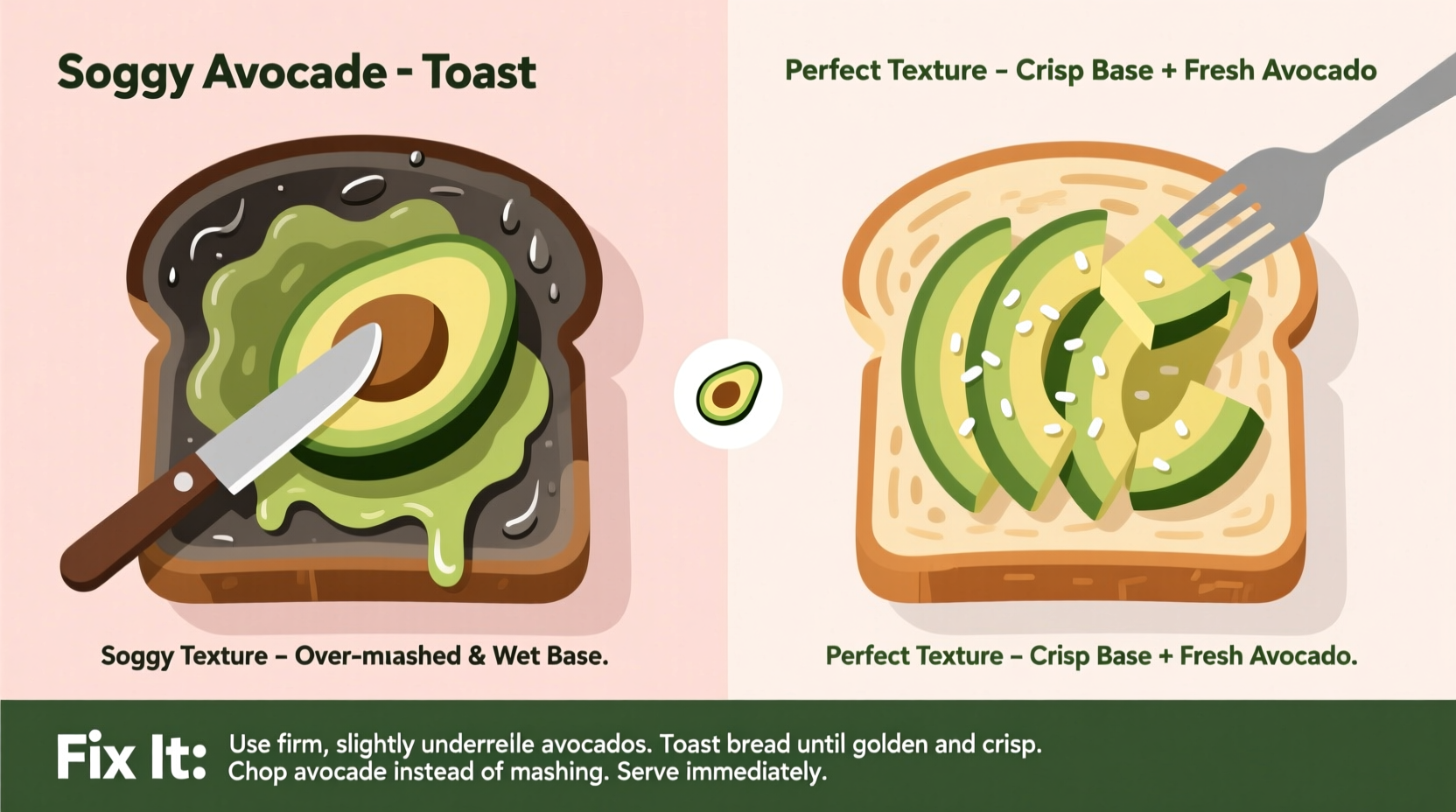
Sogginess occurs when moisture migrates from the avocado (or added toppings) into the bread faster than the bread can resist absorption. Bread, especially softer varieties, acts like a sponge. When warm, moist avocado meets porous toast, capillary action pulls liquid downward, softening the structure within minutes.
Moisture in avocados comes primarily from their high water content—about 73%—combined with natural enzymes that release more liquid as the fruit oxidizes and breaks down. Salt accelerates this process by drawing out moisture through osmosis. Even a well-toasted slice can succumb if overloaded too soon or topped with under-drained avocado.
Additionally, the type of bread plays a critical role. Soft sandwich loaves, brioche, and standard sourdough batards have open crumb structures that absorb liquids rapidly. In contrast, denser, drier breads with tight crumb patterns resist saturation longer.
“Texture balance is everything in simple dishes. Avocado toast fails not because of flavor, but because of structural collapse due to unmanaged moisture.” — Chef Lena Ruiz, Culinary Instructor at Pacific Food Lab
Choosing the Right Bread for Maximum Crispness
Bread selection is the foundation of non-soggy avocado toast. Not all breads perform equally under the weight of ripe avocado and wet toppings like tomatoes or poached eggs.
Opt for breads with a tight crumb, thick crust, and lower moisture content. Artisanal sourdough, rye, whole grain, or seeded multigrain varieties typically hold up better than fluffy commercial loaves. Baguette slices or rustic country loaves also work well due to their density.
Freezing bread before toasting can further improve texture. Frozen slices toast more evenly and develop a crispier exterior because the internal moisture evaporates slowly during longer toasting. This technique is especially useful if you're prepping ahead or using softer breads.
| Bread Type | Moisture Resistance | Best For | Avoid If |
|---|---|---|---|
| Artisan Sourdough | ★★★★☆ | Daily use, robust toppings | You prefer ultra-light texture |
| Rye or Pumpernickel | ★★★★★ | Hearty, savory variations | Sweet or citrus-forward recipes |
| Brioche | ★☆☆☆☆ | Occasional indulgence only | You want long-lasting crispness |
| Whole Grain/Seeded | ★★★★☆ | Nutty flavor, extra crunch | Using very wet toppings without prep |
| White Sandwich Bread | ★☆☆☆☆ | Kids’ versions, quick snacks | Serious texture expectations |
Always toast bread thoroughly. Light toasting barely dries the surface; deep toasting carbonizes starches and reduces porosity, creating a more effective moisture shield. Consider double-toasting: toast once, let cool slightly, then toast again for maximum durability.
Preparing the Avocado: Draining, Drying, and Timing
How you handle the avocado itself significantly impacts final texture. Many people mash the avocado directly onto the toast, which traps steam and forces immediate moisture transfer. Instead, treat the avocado as a separate component to be prepped and stabilized before assembly.
Start by selecting avocados that are ripe but firm. Overripe avocados contain more free liquid and break down faster. Once halved and pitted, scoop the flesh and place it on a fine-mesh strainer or paper towel-lined bowl for 5–10 minutes. This allows excess moisture to drain, especially important if seasoning with salt early.
When mashing, do so in a separate bowl. Add lemon or lime juice—not just for flavor, but because acidity helps stabilize cell structure and slow enzymatic breakdown. Avoid adding watery ingredients like diced tomato or radish directly into the mash. Keep them as fresh toppings applied last.
Step-by-Step: Building Non-Soggy Avocado Toast
Assembly order matters as much as ingredient quality. Follow this sequence to preserve texture throughout consumption:
- Pre-toast the bread until deeply golden and crisp. Use a toaster oven or skillet for best results.
- Cool slightly—about 30 seconds—to prevent steam buildup when topping.
- Apply a moisture barrier: Lightly rub a clove of garlic on the surface or spread a thin layer of olive oil, cream cheese, or ricotta. These fats repel water and create a seal.
- Add drained avocado gently, spreading evenly without pressing down hard.
- Layer wet toppings strategically: Place sliced tomato, cucumber, or red onion on top of the avocado, not mixed in.
- Sprinkle seasonings last, especially salt, which draws moisture over time.
- Serve immediately. If preparing ahead, keep components separate and assemble on demand.
This method extends structural integrity by up to 15 minutes—plenty of time for mindful eating.
Real-World Example: From Café Flop to Home Success
Sophie, a graphic designer in Portland, loved avocado toast but gave up making it at home after repeated failures. “I’d make it while getting ready for work, and by the time I sat down, it was swimming in its own juice,” she said. Her usual routine involved microwaving store-bought bread, mashing avocado straight from the skin, and sprinkling everything on at once.
After learning about moisture barriers and pre-draining, she adjusted her method. She began using frozen sourdough slices toasted in a dry skillet, mashed her avocado in a bowl with lime juice, and pressed it through a sieve. She added a thin smear of goat cheese before the avocado and waited to add salt and microgreens until the last second.
The result? “It stayed crisp for nearly ten minutes—even with a poached egg on top. I finally understand why café versions hold up better.” Sophie now prepares components the night before and assembles her toast just before eating, turning a former frustration into a reliable ritual.
Common Mistakes That Lead to Sogginess
- Using under-toasted bread: Pale, soft toast lacks the structural integrity to resist moisture.
- Adding salt too early: Salt pulls water from avocado cells within minutes. Season just before serving.
- Mashing avocado directly on the toast: This traps heat and moisture against the bread surface.
- Overloading with wet toppings: Tomatoes, pickles, and citrus segments should be patted dry and placed on top, not underneath.
- Waiting too long to eat: Even the best-prepared toast degrades over time. Delay assembly until ready to consume.
“Timing is part of the recipe. In professional kitchens, we build avocado toast to order for exactly this reason.” — Marcus Tran, Executive Chef at Grove & Thyme
Checklist: How to Prevent Soggy Avocado Toast
- Choose dense, high-quality bread (sourdough, rye, seeded)
- Toast bread until deeply golden and crunchy
- Drain avocado flesh before mashing
- Mix avocado with acid (lemon/lime juice) to stabilize texture
- Apply a fat-based moisture barrier (oil, cheese, etc.)
- Assemble just before eating
- Keep wet ingredients separate until serving
- Season with salt at the very end
Frequently Asked Questions
Can I make avocado toast ahead of time?
Not fully assembled. However, you can prep components in advance: toast and store bread in an airtight container, mash and cover avocado with plastic wrap pressed directly onto the surface (to limit oxidation), and chop toppings separately. Assemble within 5–10 minutes of eating for best results.
Why does restaurant avocado toast stay crisp longer?
Professional kitchens prioritize texture control. They use high-heat toasting methods (like convection ovens), select optimal bread types, drain avocado properly, and often include moisture barriers like cheese or aioli. Most importantly, they assemble to order rather than letting toast sit.
Does freezing the avocado help prevent sogginess?
Freezing changes avocado texture significantly, making it mushy upon thawing—ideal for smoothies but not toast. However, briefly chilling ripe avocado (not freezing) can slow enzymatic activity and reduce initial moisture release. Use cold, drained avocado for slightly improved performance.
Final Tips for Long-Term Success
Consistency comes from systematizing your approach. Treat avocado toast like any precision dish: respect the ingredients, control variables, and refine your method over time.
If you frequently eat avocado toast, consider investing in a good toaster oven or cast-iron skillet for superior browning. Keep lemons or limes on hand for acid stabilization. Store bread properly—never in the refrigerator, which accelerates staling—and opt for smaller loaves to ensure freshness.
And remember: perfection isn’t about eliminating moisture entirely—it’s about balance. You want creaminess from the avocado and crispness from the bread, coexisting harmoniously. That equilibrium is achievable with attention to detail.
Conclusion: Take Control of Your Toast
Soggy avocado toast doesn’t mean you’re doing anything fundamentally wrong—it just means a few small adjustments can transform your experience. From choosing the right bread to mastering moisture management, each step builds toward a more satisfying, texturally sound meal.
Start implementing one or two of these techniques today. Try draining your avocado, or double-toasting your bread. Notice the difference. Then refine further. Soon, you’ll have a personalized, fail-safe method that makes every bite worth savoring.




 浙公网安备
33010002000092号
浙公网安备
33010002000092号 浙B2-20120091-4
Comments
No comments yet. Why don't you start the discussion?