
Cats are creatures of habit, often displaying behaviors that puzzle their owners. One of the most common—and sometimes frustrating—habits is a cat’s persistent desire to drink from the faucet. You turn on the tap to wash your hands, and suddenly, your feline companion is pawing at the stream or lapping up water mid-drip. While this might seem harmless, it raises questions about your cat’s hydration habits, preferences, and overall well-being. More importantly, constantly leaving the faucet running isn’t sustainable or safe.
The good news is that this behavior is not only understandable but also manageable. With insight into feline instincts and a few strategic adjustments, you can guide your cat toward safer, more consistent hydration sources without resorting to punishment or stress-inducing tactics.
Why Cats Are Drawn to Running Water
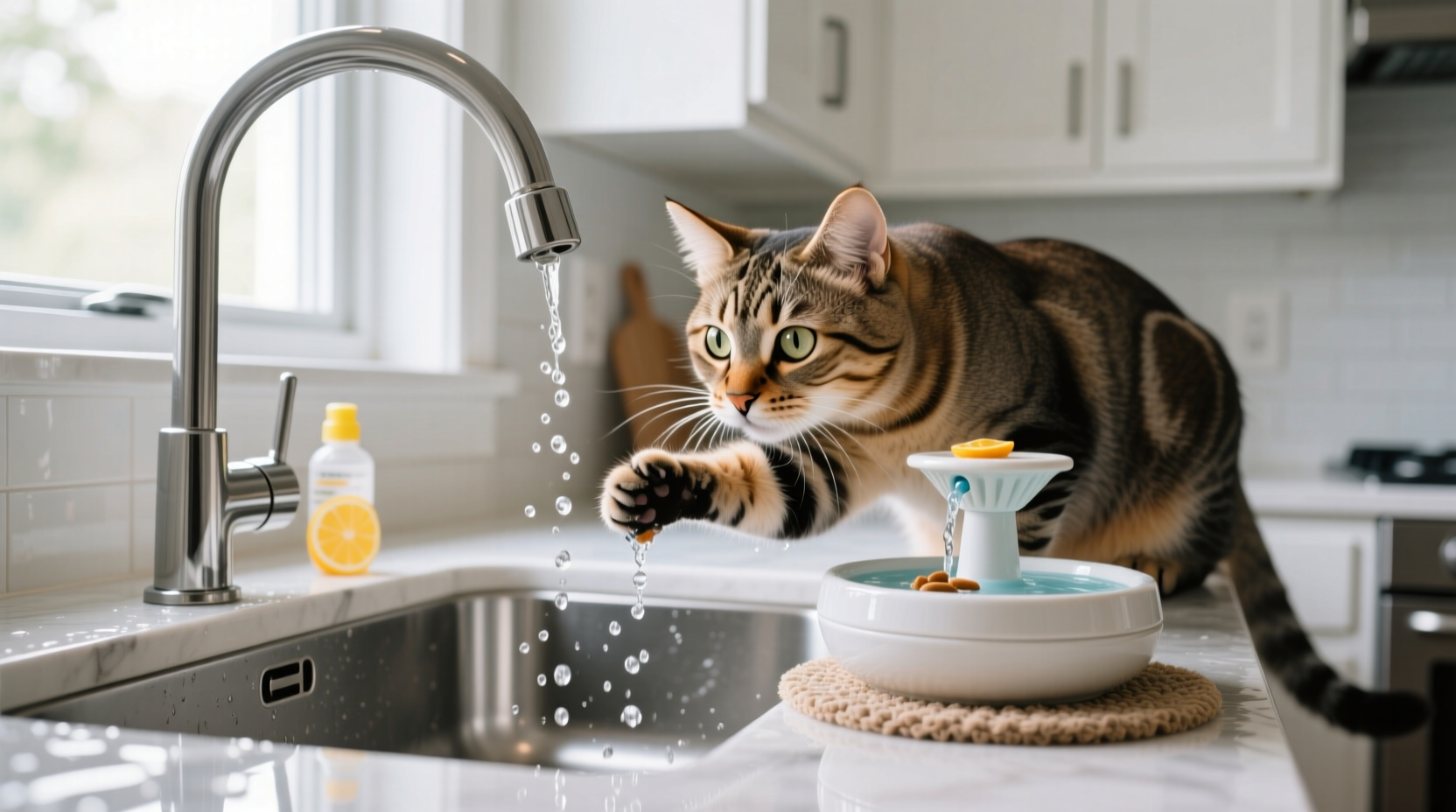
In the wild, cats evolved to avoid stagnant water. Still water could be contaminated with bacteria, parasites, or debris, posing a threat to survival. Flowing water, by contrast, was typically fresher and safer. This instinct remains deeply embedded in domestic cats, even though their environment has changed dramatically.
Running water from a faucet mimics a natural stream—moving, aerated, and seemingly “alive.” The sound and motion capture a cat’s attention, triggering curiosity and encouraging them to investigate. Additionally, the cooler temperature of tap water compared to a bowl left out for hours may make it more appealing, especially in warmer climates.
Another factor is sensory stimulation. Cats rely heavily on their senses of sight, hearing, and touch. The visual ripple of water, the sound of dripping, and the feel of droplets on their whiskers create an engaging experience that a static bowl simply cannot match.
“Cats are hardwired to prefer moving water. It’s not just a quirk—it’s a survival trait rooted in their evolutionary past.” — Dr. Lydia Ryan, Feline Behavior Specialist
Health and Hydration: Is Tap Drinking Harmful?
While drinking from the faucet isn’t inherently dangerous, several risks should be considered:
- Exposure to contaminants: Older plumbing systems may leach trace amounts of lead or copper into the water, especially if it sits in pipes overnight.
- Increased risk of accidents: Slippery bathroom floors, unattended faucets, and curious kittens near open sinks can lead to falls or water wastage.
- Inconsistent hydration: Relying on human interaction to access water means your cat may not drink enough when no one is around to turn on the tap.
Chronic underhydration can contribute to urinary tract issues, including kidney disease and bladder stones—common problems in adult and senior cats. Ensuring consistent access to fresh, clean water is essential for long-term health.
How to Redirect Faucet-Drinking Behavior Safely
Redirecting your cat’s preference requires patience, consistency, and understanding. The goal isn’t to eliminate the behavior overnight but to offer a better alternative that satisfies the same instincts.
1. Introduce a Cat Water Fountain
A high-quality cat water fountain replicates the movement and freshness of faucet water. Most models feature a pump that circulates and filters the water, keeping it oxygenated and free of debris. Choose one made from BPA-free plastic, stainless steel, or ceramic to prevent bacterial buildup.
Place the fountain in a quiet but accessible area—away from litter boxes and food bowls, as cats naturally avoid drinking near eating or elimination zones.
2. Prioritize Freshness and Cleanliness
Even with a fountain, maintenance matters. Change the water every 2–3 days and clean the entire unit weekly, including the pump and filter. A stale or slimy taste will deter even the most enthusiastic drinker.
For cats still drawn to the sink, try filling a clean glass with cold tap water and placing it nearby. The novelty of cool, fresh water may temporarily satisfy their urge without turning on the faucet.
3. Use Multiple Water Stations
Strategic placement increases the likelihood your cat will drink throughout the day. Set up water sources in different rooms—especially areas where your cat spends time, like near windows, beds, or play zones.
Some cats prefer height. Try placing a water bowl on a sturdy shelf or side table to appeal to their climbing instincts.
4. Experiment with Bowl Materials and Shapes
Whisker fatigue is real. Deep or narrow bowls can cause discomfort if a cat’s sensitive whiskers constantly brush against the sides. Opt for wide, shallow dishes made of stainless steel or ceramic.
Color and reflectivity also matter. Some cats avoid clear plastic bowls because they see their reflection or detect residual odors. Replace old plastic bowls with non-porous materials.
| Bowl Type | Pros | Cons |
|---|---|---|
| Stainless Steel | Durable, easy to clean, doesn’t retain odor | Can be noisy if knocked over |
| Ceramic | Heavy (stable), aesthetically pleasing | Potential chipping; ensure lead-free glaze |
| Plastic | Affordable, lightweight | Scratches easily, harbors bacteria, may leach chemicals |
| Water Fountain | Encourages drinking, filters impurities | Requires electricity and regular maintenance |
Step-by-Step Guide to Transitioning Away from Faucet Drinking
Changing your cat’s habits takes time. Follow this timeline to ease the transition:
- Week 1: Observe and Record
Track when and how often your cat drinks from the faucet. Note any patterns—e.g., after meals, during evening activity. - Week 2: Introduce the Fountain
Set up the fountain in a location near the sink but not directly under it. Let your cat explore it without pressure. Run it consistently so they associate the sound with water availability. - Week 3: Encourage Interaction
Gently dip your finger in the fountain and let your cat lick it. You can also add ice cubes to pique interest. Avoid forcing them—they must choose to engage. - Week 4: Limit Faucet Access
Gradually reduce faucet use. Turn it off immediately after use. If your cat waits by the sink, redirect them to the fountain with praise or a treat. - Week 5+: Reinforce Positive Behavior
Reward your cat with affection or a small treat when they drink from the fountain or bowl. Consistency reinforces the new habit.
Mini Case Study: Bella the Faucet Addict
Bella, a 3-year-old tabby, had been drinking exclusively from the bathroom faucet for over a year. Her owner, Sarah, was concerned about water waste and inconsistent hydration, especially during weekend trips.
After consulting her veterinarian, Sarah learned that Bella was slightly dehydrated and at risk for early urinary crystals. She purchased a stainless steel pet fountain with a triple filtration system and placed it beside Bella’s favorite sunlit perch.
At first, Bella ignored it. Sarah ran the fountain continuously and occasionally tapped the flowing water to catch Bella’s attention. By day six, Bella sniffed it. On day ten, she took her first sip. Within three weeks, she stopped begging at the sink entirely.
Sarah now cleans the fountain weekly and rotates two backup units to ensure uninterrupted access. Bella’s water intake increased by nearly 40%, and her urine specific gravity normalized within a month.
Common Mistakes to Avoid
- Punishing the behavior: Hissing or spraying water back teaches fear, not redirection.
- Using dirty or noisy fountains: Poor maintenance turns a solution into a deterrent.
- Placing water next to food: Many cats dislike drinking where they eat due to scent contamination.
- Ignoring individual preferences: One cat may love a bubbling fountain; another prefers still, wide bowls.
Frequently Asked Questions
Is it normal for cats to prefer running water?
Yes. Most cats show some interest in moving water due to evolutionary instincts. However, exclusive reliance on faucets may indicate a lack of appealing alternatives at home.
Can I leave the faucet dripping for my cat?
Not recommended. Constant dripping wastes water, increases utility bills, and may encourage mold growth in the sink. A fountain is a safer, more sustainable option.
My cat won’t touch the water fountain—what should I do?
Try different models (some have gentle streams, others create bubbling effects). Place it near a window or high perch. Ensure it’s cleaned regularly. Some cats take weeks to adapt—patience is key.
Checklist: Creating a Cat-Friendly Hydration Plan
- Assess current water sources and your cat’s drinking habits.
- Invest in a high-quality, quiet water fountain.
- Place multiple clean water stations in low-traffic areas.
- Use wide, shallow bowls made of stainless steel or ceramic.
- Clean all water containers at least twice a week.
- Monitor daily water intake—aim for 50–100 ml per kg of body weight.
- Consult your vet if your cat shows signs of dehydration (lethargy, dry gums, reduced skin elasticity).
Conclusion: Encouraging Healthier Hydration Habits
Your cat’s fascination with the faucet isn’t defiance—it’s instinct. By understanding the reasons behind the behavior and offering thoughtful alternatives, you can support their natural preferences while promoting better health and household harmony.
Start today by observing your cat’s routine, introducing a water fountain, and creating inviting hydration zones throughout your home. Small changes can lead to lasting improvements in your cat’s well-being. Share your journey in the comments below—your experience might help another cat owner find the perfect solution.




 浙公网安备
33010002000092号
浙公网安备
33010002000092号 浙B2-20120091-4
Comments
No comments yet. Why don't you start the discussion?