
Finding your cat’s urine on your bed is more than just an unpleasant surprise—it can be emotionally distressing and disruptive to your daily life. While it might seem like a deliberate act of defiance, cats rarely urinate outside the litter box out of spite. Instead, this behavior is usually a signal of deeper issues, whether medical, environmental, or emotional. Understanding the root causes and responding with compassion and consistency is key to resolving the problem quickly and effectively.
Understanding Why Cats Pee on Beds
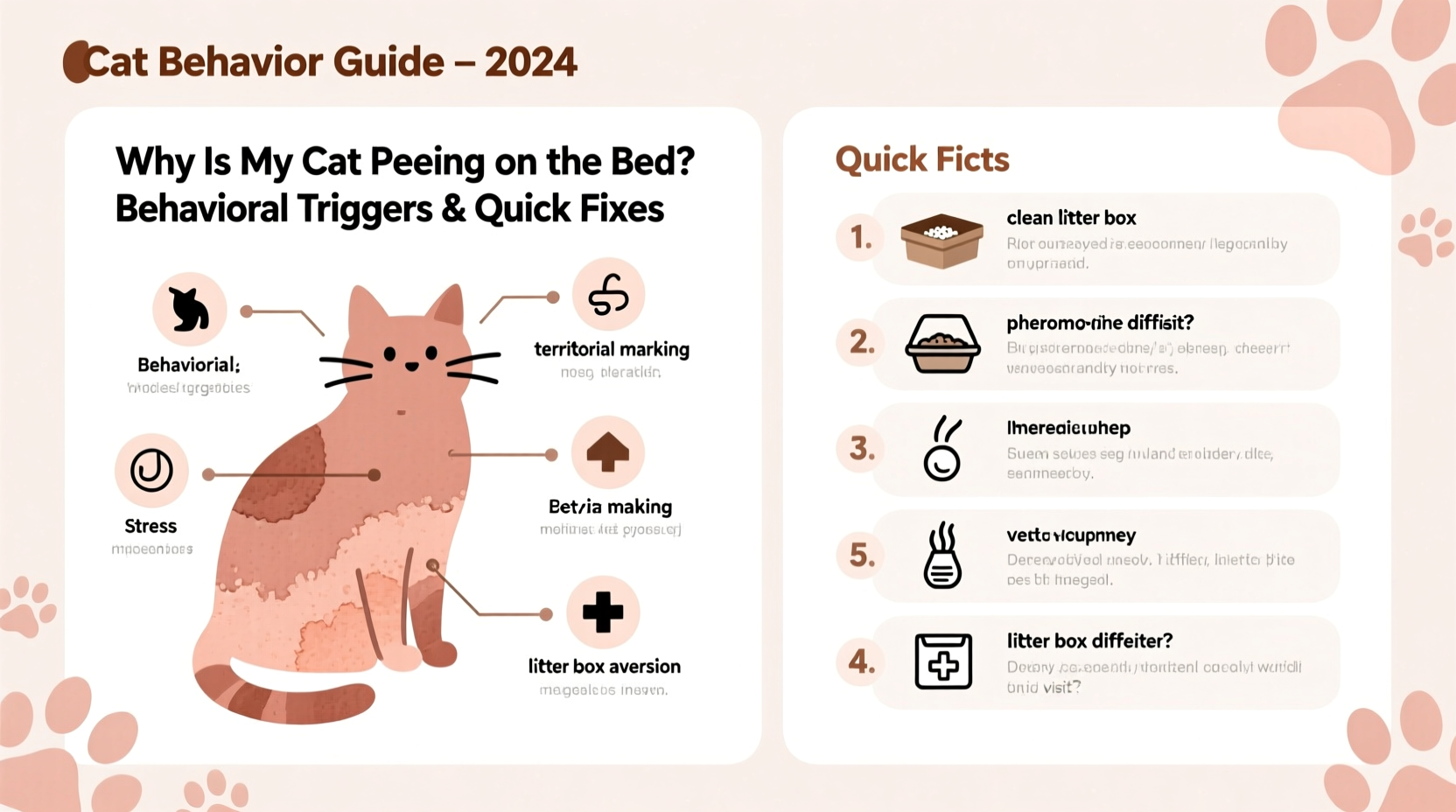
Cats are creatures of habit, and any deviation from their routine—such as inappropriate urination—often indicates stress, discomfort, or confusion. Unlike dogs, who may mark territory for social reasons, cats use scent marking to cope with anxiety or insecurity. When a cat chooses the bed, it's often because the mattress carries your scent, making it a target for \"reclaiming\" or expressing emotional distress.
The first step in addressing this issue is ruling out medical conditions. Urinary tract infections (UTIs), bladder stones, diabetes, and kidney disease can all cause increased urgency or discomfort during urination, leading a cat to abandon the litter box. If your cat strains, vocalizes while urinating, or produces only small amounts of urine, consult a veterinarian immediately.
Once medical causes are ruled out, behavioral factors become the primary focus. These include litter box dissatisfaction, household changes, territorial conflicts, or anxiety triggered by new pets, people, or rearranged furniture.
Common Behavioral Triggers Behind Bed Peeing
When no medical issue is present, behavioral causes are typically to blame. Below are the most frequent psychological and environmental triggers:
- Litter Box Aversion: Cats are fastidious about cleanliness. A dirty, poorly placed, or undersized litter box can drive them to seek alternatives. Some cats dislike covered boxes due to trapped odors or feel trapped and vulnerable.
- Stress or Anxiety: Changes such as moving, a new baby, guests, or construction noise can overwhelm a sensitive cat. The bed, saturated with your scent, becomes a comfort zone—and a target for marking.
- Multi-Cat Household Tension: In homes with multiple cats, competition for resources (food, space, litter boxes) can lead to territorial marking. One cat may pee on the bed to assert dominance or express fear.
- Scent Confusion: If you've recently changed laundry detergent, used strong cleaners on bedding, or introduced new scents, your cat may perceive the bed as unfamiliar territory needing re-marking.
- Preference for Soft Surfaces: Some cats naturally prefer soft, absorbent materials like mattresses or couches over litter. This is especially common in cats who were weaned too early or had inconsistent litter training.
“Cats don’t misbehave—they communicate. Inappropriate urination is often the only way they can tell us something is wrong.” — Dr. Sarah Ellis, Feline Behavior Specialist, International Cat Care
Step-by-Step Guide to Stop the Behavior
Resolving bed-soiling requires a structured approach that combines environmental adjustments, behavioral reinforcement, and patience. Follow this timeline for best results:
- Day 1–2: Rule Out Medical Issues
Visit your veterinarian for a full urinary panel. Even subtle symptoms warrant investigation. - Day 3: Deep Clean the Bed
Use an enzymatic cleaner specifically designed for pet urine. Avoid ammonia-based products, which mimic urine odor and attract repeat incidents. - Day 4: Audit Litter Boxes
Follow the “n+1” rule: if you have two cats, provide three boxes. Place them in quiet, accessible locations away from appliances or foot traffic. Scoop daily; change litter weekly. - Day 5–7: Restrict Access to the Bedroom
Close the door or use baby gates. Allow supervised access only when you're present to redirect unwanted behavior. - Week 2: Introduce Positive Associations
Place food bowls, toys, or a cozy bed near the sleeping area (but not on your bed). Reward calm behavior with treats. - Week 3–4: Gradual Reintroduction
If no accidents occur, allow short, monitored visits to the bedroom. Use pheromone diffusers (like Feliway) to reduce anxiety. - Ongoing: Monitor and Reinforce
Praise appropriate litter use. Never punish—this increases fear and worsens marking.
Quick Fixes That Actually Work
While long-term solutions take time, these immediate actions can help interrupt the cycle and protect your bedding:
- Aluminum Foil or Double-Sided Tape: Temporarily place these on the bed. The texture and sound deter most cats without harming them.
- Relocate the Litter Box Temporarily: If your cat consistently targets the bed, place a litter box next to the bed for a few days, then gradually move it to the desired location.
- Use Scent Deterrents: Citrus sprays (non-toxic varieties) or commercial cat repellents can discourage approach. Test on fabric first.
- Increase Vertical Space: Provide cat trees or shelves. Elevated perches reduce anxiety and give cats control over their environment.
- Engage in Daily Play: 10–15 minutes of interactive play with wand toys reduces stress and mimics hunting, fulfilling natural instincts.
Do’s and Don’ts: What to Avoid and What to Embrace
| Do’s | Don’ts |
|---|---|
| Use enzymatic cleaners for urine spots | Use steam cleaners or ammonia-based products |
| Provide one litter box per cat plus one extra | Place all boxes in the same location (e.g., basement) |
| Keep litter boxes clean and scoop daily | Change litter type or brand abruptly |
| Use pheromone diffusers to reduce stress | Punish or shout at your cat after accidents |
| Consult a vet or feline behaviorist early | Assume the cat is acting out of revenge |
Real-Life Example: Luna’s Turnaround
Sarah, a single mother in Portland, noticed her 3-year-old tabby Luna began urinating on her bed shortly after she brought home a foster kitten. Despite cleaning the area thoroughly, the behavior continued for weeks. Concerned and frustrated, Sarah took Luna to the vet, where tests ruled out infection.
A feline behavior consultant suggested that Luna felt displaced and threatened by the new kitten. The solution involved creating separate zones: Luna got a dedicated room with her own litter box, feeding station, and climbing shelf. The bed was blocked off at night, and a Feliway diffuser was installed in the bedroom.
Sarah also started daily play sessions with Luna using a feather wand, followed by treats. Within two weeks, the bed-soiling stopped. After a month, Luna began tolerating the kitten’s presence, and eventually, they shared spaces peacefully.
This case highlights how territorial insecurity—not malice—drives many marking behaviors. With empathy and structure, even deep-seated habits can be reversed.
Essential Checklist for Immediate Action
Print or save this checklist to ensure you cover all bases:
- ✅ Schedule a veterinary check-up to rule out UTIs or other medical issues
- ✅ Clean soiled areas with enzymatic cleaner (not vinegar or bleach)
- ✅ Count litter boxes: do you have n+1?
- ✅ Scoop all boxes daily; change litter weekly
- ✅ Place boxes in quiet, low-traffic areas
- ✅ Block access to the bed temporarily
- ✅ Install a pheromone diffuser in the bedroom
- ✅ Increase playtime and mental stimulation
- ✅ Monitor interactions if you have multiple cats
- ✅ Consult a certified feline behaviorist if the problem persists
Frequently Asked Questions
Why does my cat only pee on my bed and not my partner’s?
This often comes down to scent preference. If you spend more time in the bed, your scent is stronger, making it a target for marking. It may also reflect a closer bond—or greater anxiety about losing your attention, especially if a new pet or person has entered the home.
Can spaying or neutering stop this behavior?
Yes, in some cases. Unaltered cats are far more likely to spray due to hormonal drives. However, even fixed cats may mark when stressed. Neutering reduces but doesn’t eliminate the risk, especially if the behavior has become habitual.
How long does it take to stop a cat from peeing on the bed?
With consistent intervention, most cats improve within 2–4 weeks. However, deeply ingrained habits or chronic stressors (like ongoing household tension) may require several months and professional support. Patience and routine are critical.
Conclusion: Restore Harmony with Compassion and Clarity
Your cat isn’t trying to ruin your life—they’re trying to communicate. Peeing on the bed is a cry for help, not an act of rebellion. By approaching the issue with curiosity instead of frustration, you create space for healing and connection.
Start with a vet visit, optimize the litter environment, reduce stressors, and reinforce positive behavior. Small, consistent steps lead to lasting change. Most importantly, avoid punishment. Fear only deepens the problem.
If progress stalls, don’t hesitate to seek help from a certified feline behavior consultant. This challenge doesn’t define your relationship with your cat—it’s an opportunity to understand them better.




 浙公网安备
33010002000092号
浙公网安备
33010002000092号 浙B2-20120091-4
Comments
No comments yet. Why don't you start the discussion?