
Cats are meticulous creatures by nature, often spending hours grooming themselves and choosing precise spots for rest and elimination. When a cat begins urinating outside the litter box, it's rarely an act of defiance or spite. Instead, it's a signal—sometimes urgent—that something is wrong. The causes typically fall into two broad categories: medical health issues and psychological stress. Distinguishing between the two is essential for effective intervention. Misinterpreting a urinary tract infection as behavioral defiance can lead to prolonged suffering, while overlooking environmental stressors in a healthy cat may result in chronic inappropriate elimination.
Understanding the root cause requires careful observation, veterinary consultation, and sometimes environmental adjustments. This article breaks down the most common medical and stress-related reasons behind litter box avoidance, provides actionable steps for diagnosis and resolution, and equips cat owners with the tools to restore harmony in their homes.
Medical Causes Behind Inappropriate Urination
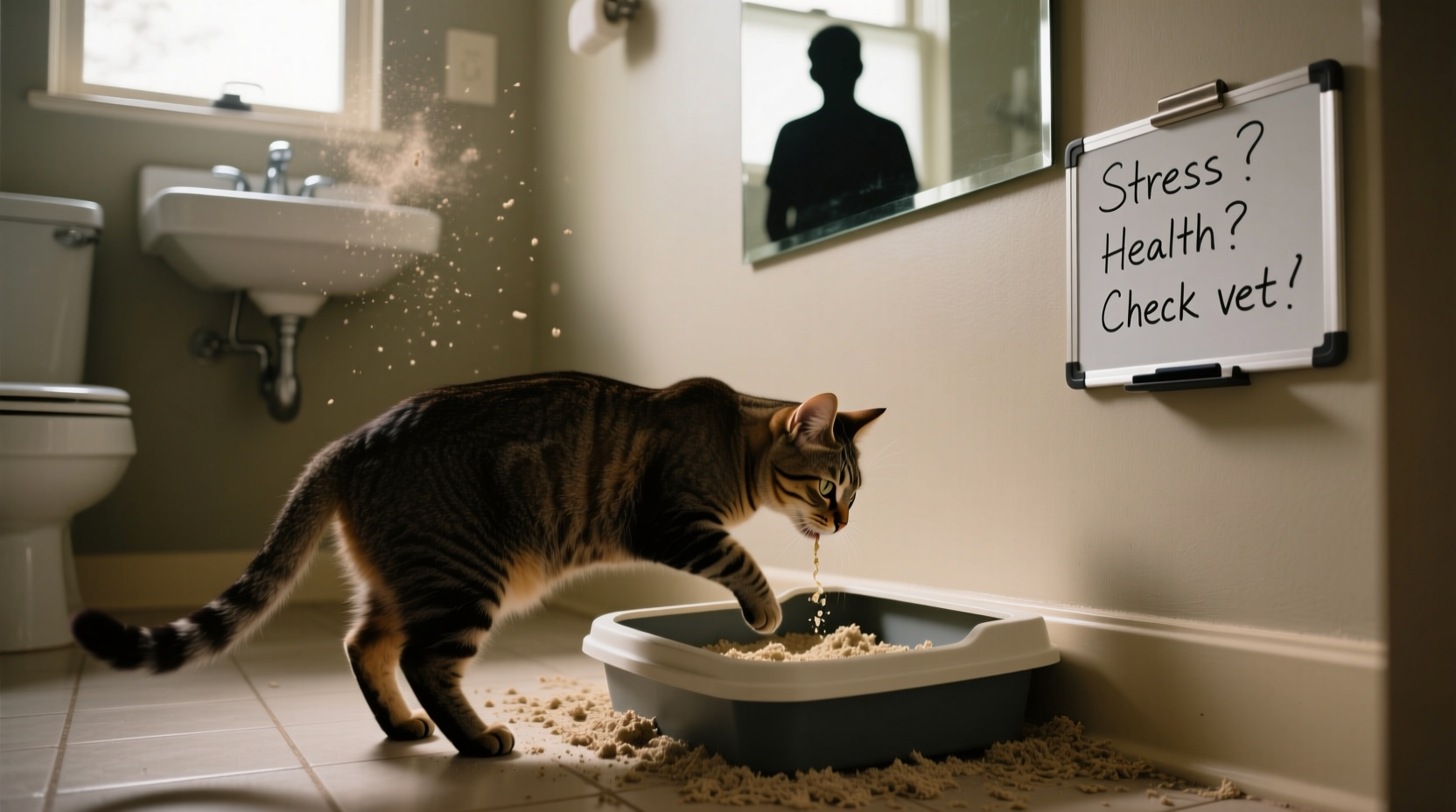
Before assuming behavioral motives, rule out physical illness. Cats cannot verbally express discomfort, so changes in elimination habits are often the first noticeable signs of internal problems. Several medical conditions can make using the litter box painful or difficult, prompting a cat to seek alternative locations.
- Urinary Tract Infections (UTIs): One of the most common culprits, especially in younger cats. UTIs cause burning during urination, leading cats to associate the litter box with pain.
- Feline Lower Urinary Tract Disease (FLUTD): A broad term encompassing inflammation, crystals, or blockages in the bladder or urethra. Male cats are particularly vulnerable to life-threatening blockages.
- Bladder Stones: Hard mineral deposits that irritate the bladder lining and obstruct urine flow.
- Diabetes or Kidney Disease: These conditions increase thirst and urine production, overwhelming the cat’s ability to reach the box in time.
- Arthritis: Older cats may avoid the litter box if climbing into it causes joint pain.
“Any change in litter box behavior warrants a veterinary exam. Painful conditions like FLUTD can escalate quickly, especially in male cats.” — Dr. Lena Reyes, Feline Internal Medicine Specialist
Stress and Environmental Triggers
When medical issues are ruled out, stress becomes the primary suspect. Cats are highly sensitive to changes in their environment. Even seemingly minor disruptions—like a new vacuum cleaner or rearranged furniture—can trigger anxiety that manifests as inappropriate urination.
Common stressors include:
- New pets or people in the home
- Household moves or renovations
- Conflict with other cats
- Loud noises (construction, fireworks)
- Changes in routine (owner’s work schedule)
- Dirty or poorly placed litter boxes
Stress-induced urination often involves marking behavior—small amounts of urine on vertical surfaces like walls or furniture. This is territorial communication, not random elimination. In contrast, full voids on horizontal surfaces (beds, carpets) may indicate the cat avoids the box due to fear or discomfort.
Differentiating Marking from Elimination
| Behavior Type | Urine Amount | Location | Body Posture | Possible Cause |
|---|---|---|---|---|
| Marking | Small sprays | Vertical surfaces (walls, furniture) | Standing, tail quivering | Stress, territorial insecurity |
| Elimination | Full bladder release | Floors, bedding, laundry | Squatting | Pain, box aversion, accessibility |
Step-by-Step Guide to Diagnose and Resolve the Issue
Resolving inappropriate urination requires a systematic approach. Jumping to conclusions can waste time and prolong the problem. Follow this timeline to identify and correct the underlying cause.
- Observe and Document: Note when, where, and how much your cat urinates outside the box. Record any changes in behavior, appetite, or interaction with family members.
- Schedule a Veterinary Exam: Blood work, urinalysis, and ultrasound can detect infections, diabetes, kidney disease, or structural abnormalities.
- Review Litter Box Setup: Ensure there are enough boxes (n+1 rule: one per cat plus one extra), they’re cleaned daily, and placed in quiet, accessible areas.
- Assess Environmental Stressors: Identify recent changes in the home. Use pheromone diffusers (e.g., Feliway) to reduce anxiety.
- Rule Out Inter-Cat Conflict: If you have multiple cats, monitor interactions. Aggression or resource guarding may force a subordinate cat out of the box area.
- Implement Behavior Modifications: Gradually reintroduce the cat to the litter box using positive reinforcement. Avoid punishment, which increases fear.
- Monitor Progress: Track improvements over 2–4 weeks. If no change occurs, consult a veterinary behaviorist.
Real-Life Example: Bella’s Story
Bella, a 7-year-old domestic shorthair, began urinating on her owner’s bed after the family adopted a second cat. Initially, the owner assumed Bella was acting out of jealousy. After ruling out UTIs and arthritis through bloodwork and urinalysis, the veterinarian suggested environmental stress as the likely cause.
The owner installed a Feliway diffuser in the bedroom and added a second litter box on a different floor. They also created separate feeding zones and playtimes to reduce competition. Within three weeks, Bella stopped using the bed and returned to consistent litter box use. The case highlighted how inter-cat tension—even without overt fighting—can manifest through elimination behaviors.
Actionable Checklist for Cat Owners
Use this checklist to systematically address your cat’s litter box issues:
- ✅ Schedule a vet visit for a full physical and urine test
- ✅ Count your litter boxes—do you have at least n+1?
- ✅ Clean all boxes daily with unscented soap and water
- ✅ Place boxes in quiet, low-traffic areas with easy access
- ✅ Eliminate ammonia-based cleaners from your home
- ✅ Observe interactions between multiple cats for signs of tension
- ✅ Try a calming pheromone diffuser in high-stress zones
- ✅ Avoid yelling, rubbing the cat’s nose in urine, or closing doors to rooms
- ✅ Consider a litter type change (some cats prefer finer, unscented clumping litter)
- ✅ Consult a veterinary behaviorist if the issue persists beyond four weeks
Frequently Asked Questions
Can spaying or neutering stop my cat from marking?
Yes, in many cases. Unaltered cats are more likely to mark territory, especially males. However, even spayed/neutered cats may mark under stress. Sterilization reduces but doesn’t eliminate the behavior entirely.
How long does it take to resolve stress-related urination?
With proper interventions, improvement is often seen within 2–4 weeks. Full resolution may take up to 8 weeks, depending on the severity of stress and consistency of environmental modifications.
Is it okay to confine my cat to one room temporarily?
In some cases, yes—especially during retraining. Confining a cat to a quiet room with food, water, a clean litter box, and comfort items can help rebuild positive associations. Gradually reintroduce access to the rest of the home once consistent box use resumes.
Conclusion: Taking Action with Compassion
A cat peeing outside the litter box is not being “bad”—it’s communicating distress. Whether the source is a painful infection or an unsettling change in routine, your response shapes the outcome. Rushing to judgment only deepens the problem. A compassionate, methodical approach—starting with the vet and extending to the home environment—offers the best chance for resolution.
Every cat deserves a safe, comfortable space to meet their basic needs. By listening to their behavior and responding with knowledge and patience, you restore not just cleanliness, but trust. Don’t face this challenge alone. Reach out to your veterinarian, explore resources, and take the first step today toward a healthier, happier home for you and your feline companion.




 浙公网安备
33010002000092号
浙公网安备
33010002000092号 浙B2-20120091-4
Comments
No comments yet. Why don't you start the discussion?