
Cats are fastidious groomers, but excessive scratching, licking, or biting at their skin often signals something more than just a passing irritation. If you've noticed your feline companion constantly pawing at their ears, chewing their paws, or leaving bald patches from over-grooming, they may be suffering from pruritus—medical terminology for itchiness. While occasional grooming is normal, persistent itching can indicate underlying health issues that require attention. Understanding the root causes, recognizing warning signs, and knowing when to seek veterinary help are essential for restoring your cat’s comfort and well-being.
Common Causes of Itchiness in Cats
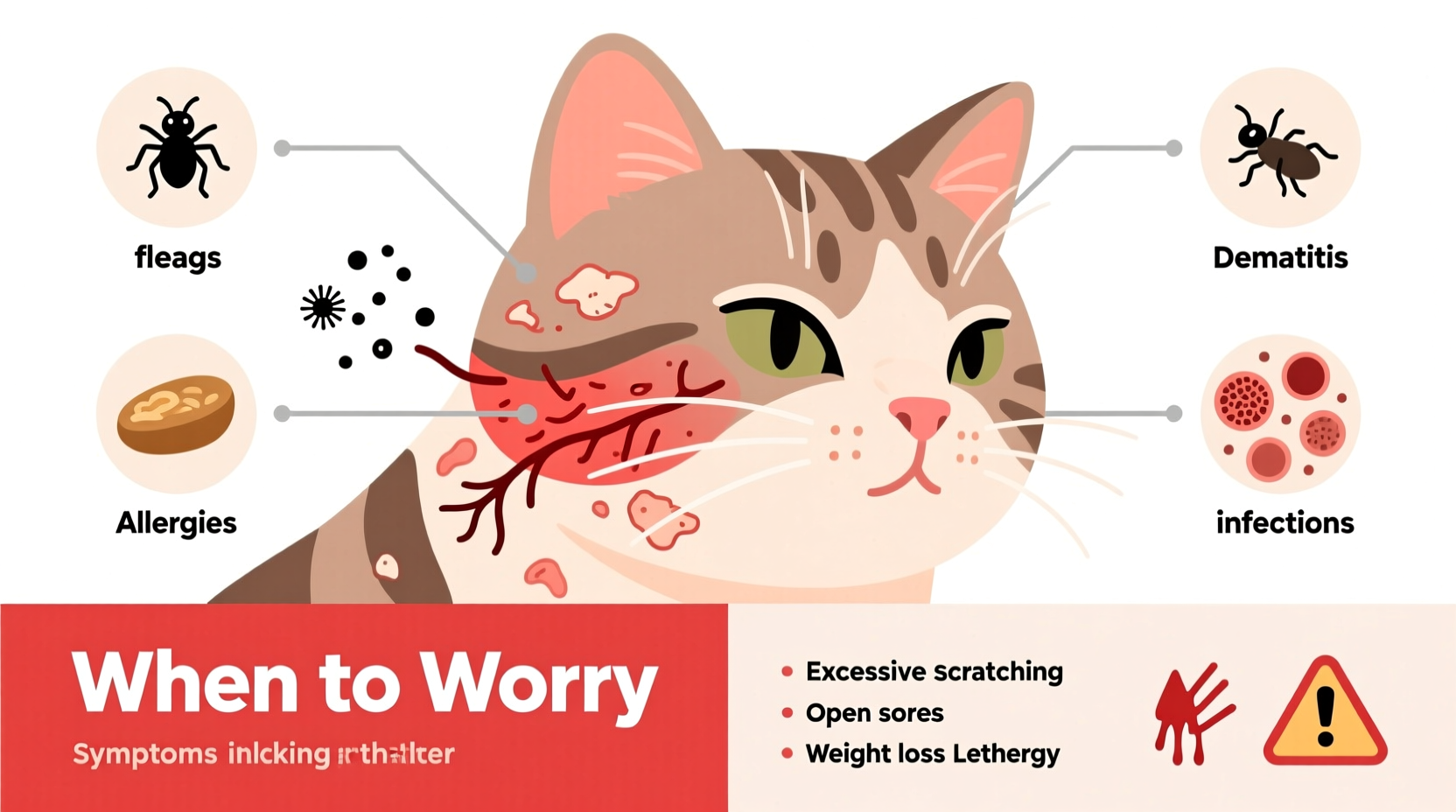
Itchiness in cats stems from a range of factors, from environmental irritants to internal medical conditions. The most frequent culprits include parasites, allergies, infections, and psychological stress.
Parasites: Fleas, Mites, and Lice
Fleas remain the leading cause of feline itchiness. Even a single flea bite can trigger an allergic reaction known as flea allergy dermatitis (FAD), causing severe discomfort. Mites such as those responsible for ear mites (*Otodectes cynotis*) or mange (*Notoedres cati*) burrow into the skin, leading to crusting, hair loss, and relentless scratching. Though less common, lice can also infest cats, particularly in unsanitary environments.
Allergies: Environmental, Food, and Contact
Cats can develop allergies similar to humans. Common allergens include pollen, mold, dust mites, certain foods (especially proteins like beef, dairy, or fish), and even laundry detergents. Allergic reactions often manifest as itchy skin, particularly around the face, neck, and base of the tail. Food allergies typically emerge gradually and may coincide with gastrointestinal symptoms like vomiting or diarrhea.
Skin Infections and Fungal Conditions
Bacterial and fungal infections, such as ringworm (*dermatophytosis*), are frequent contributors to itchiness. Ringworm, despite its name, is a fungal infection that causes circular, scaly lesions and hair loss. Secondary bacterial infections often follow excessive scratching, creating a cycle of inflammation and discomfort.
Psychogenic Alopecia and Stress
In some cases, chronic over-grooming is behavioral. Stressed or anxious cats may lick themselves obsessively, leading to hair thinning or bald spots—particularly on the belly and inner legs. Changes in environment, new pets, or lack of stimulation can trigger this compulsive behavior.
When to Worry: Red Flags That Require Veterinary Attention
While mild itching may resolve with improved hygiene or seasonal changes, certain symptoms demand prompt veterinary evaluation. Delaying treatment can lead to secondary infections, worsening pain, and prolonged recovery.
- Open sores or scabs: Indicate broken skin from scratching, increasing infection risk.
- Bald patches: Especially if rapidly spreading or accompanied by redness.
- Ear discharge or head shaking: Suggests possible ear mites or infection.
- Change in behavior: Lethargy, decreased appetite, or aggression due to discomfort.
- No improvement with home care: If symptoms persist beyond a few days.
“Persistent itching is never normal in cats. It’s a signal that something is wrong—whether parasitic, allergic, or infectious.” — Dr. Lena Patel, DVM, Feline Dermatology Specialist
Diagnosis and Treatment Options
Veterinarians use a combination of physical exams, skin scrapings, blood tests, and elimination diets to identify the source of itchiness. Accurate diagnosis is critical because treatments vary significantly depending on the cause.
Step-by-Step Diagnostic Process
- Medical history review: Including diet, environment, recent changes, and symptom onset.
- Physical examination: Focus on skin condition, coat quality, and ear health.
- Skin testing: Scrapings to detect mites or fungal cultures for ringworm.
- Allergy testing: Blood or intradermal tests for environmental allergens.
- Food trial: An 8–12 week elimination diet to rule out food sensitivities.
Treatment Approaches by Cause
| Condition | Treatment | Expected Timeline |
|---|---|---|
| Flea Infestation | Topical/oral flea preventatives, environmental cleaning | 1–3 weeks |
| Ear Mites | Medicated ear drops, full-body parasite control | 2–4 weeks |
| Ringworm | Oral antifungals, topical creams, environmental decontamination | 6–12 weeks |
| Food Allergy | Switch to hypoallergenic diet, avoid triggers | 8+ weeks to see improvement |
| Environmental Allergies | Antihistamines, immunotherapy, corticosteroids | Ongoing management |
Mini Case Study: Bella the Indoor Cat
Bella, a 4-year-old domestic shorthair, began excessively licking her lower back and tail base. Her owner initially assumed it was seasonal shedding. Over two weeks, Bella developed a bald, inflamed patch and started scratching until the skin broke. A vet visit revealed no fleas but identified *Staphylococcus* bacteria from a skin swab. After a course of antibiotics and a steroid to reduce inflammation, the itching subsided. Further investigation led to a diagnosis of atopy—an environmental allergy to house dust mites. Bella now receives monthly allergy injections and lives in a HEPA-filtered home, with no recurrence in six months.
This case illustrates how secondary infections can mask primary causes and underscores the importance of professional diagnosis.
Prevention and Daily Care Checklist
Proactive care reduces the likelihood of recurring skin issues. Follow this checklist to keep your cat comfortable and itch-free:
- ✔ Administer year-round flea prevention, even for indoor cats.
- ✔ Vacuum carpets, bedding, and furniture weekly to reduce allergens.
- ✔ Wash your cat’s bedding in fragrance-free detergent every 7–10 days.
- ✔ Brush your cat regularly to remove loose fur and distribute natural oils.
- ✔ Monitor for early signs of scratching or over-grooming.
- ✔ Feed a high-quality, consistent diet; avoid frequent protein switches.
- ✔ Minimize stress with enrichment activities like puzzle feeders and climbing spaces.
Frequently Asked Questions
Can indoor cats get fleas?
Yes. Fleas can enter homes via clothing, shoes, or other pets. Even strictly indoor cats are at risk, especially in multi-pet households or urban environments.
Is it safe to use dog flea treatments on cats?
No. Many dog flea products contain permethrin, which is highly toxic to cats and can be fatal. Always use species-specific treatments approved by your veterinarian.
How long does it take for a cat to stop itching after starting treatment?
It depends on the cause. Flea-related itching may improve within days of effective treatment. Allergies and fungal infections often take several weeks to resolve. Patience and consistency are key.
Conclusion: Act Early, Prevent Suffering
An itchy cat is an unhappy cat. What might seem like a minor grooming quirk could be the first sign of a deeper health issue. By understanding the common causes—from parasites to allergies—and recognizing when symptoms cross the line into concern, you empower yourself to act swiftly. Early intervention not only relieves discomfort but can prevent costly complications down the road. Don’t dismiss persistent scratching as normal behavior. Your cat relies on you to interpret their silent signals.




 浙公网安备
33010002000092号
浙公网安备
33010002000092号 浙B2-20120091-4
Comments
No comments yet. Why don't you start the discussion?