
Cats are creatures of habit. When a previously well-trained feline starts eliminating outside the litter box, it’s more than just an inconvenience—it’s a signal. This sudden change in behavior can stem from medical issues, environmental stressors, or dissatisfaction with the litter setup itself. Ignoring the problem only prolongs discomfort for both you and your cat. The good news? Most causes are treatable, and many fixes can be implemented quickly with the right approach.
Understanding why your cat is avoiding the litter box is the first step toward restoring harmony in your home. Whether it’s a urinary tract infection, a dirty box, or tension with another pet, identifying the root cause is essential. This guide walks through common reasons, diagnostic steps, and immediate actions you can take to get your cat back on track—often within days.
Common Reasons Cats Avoid the Litter Box
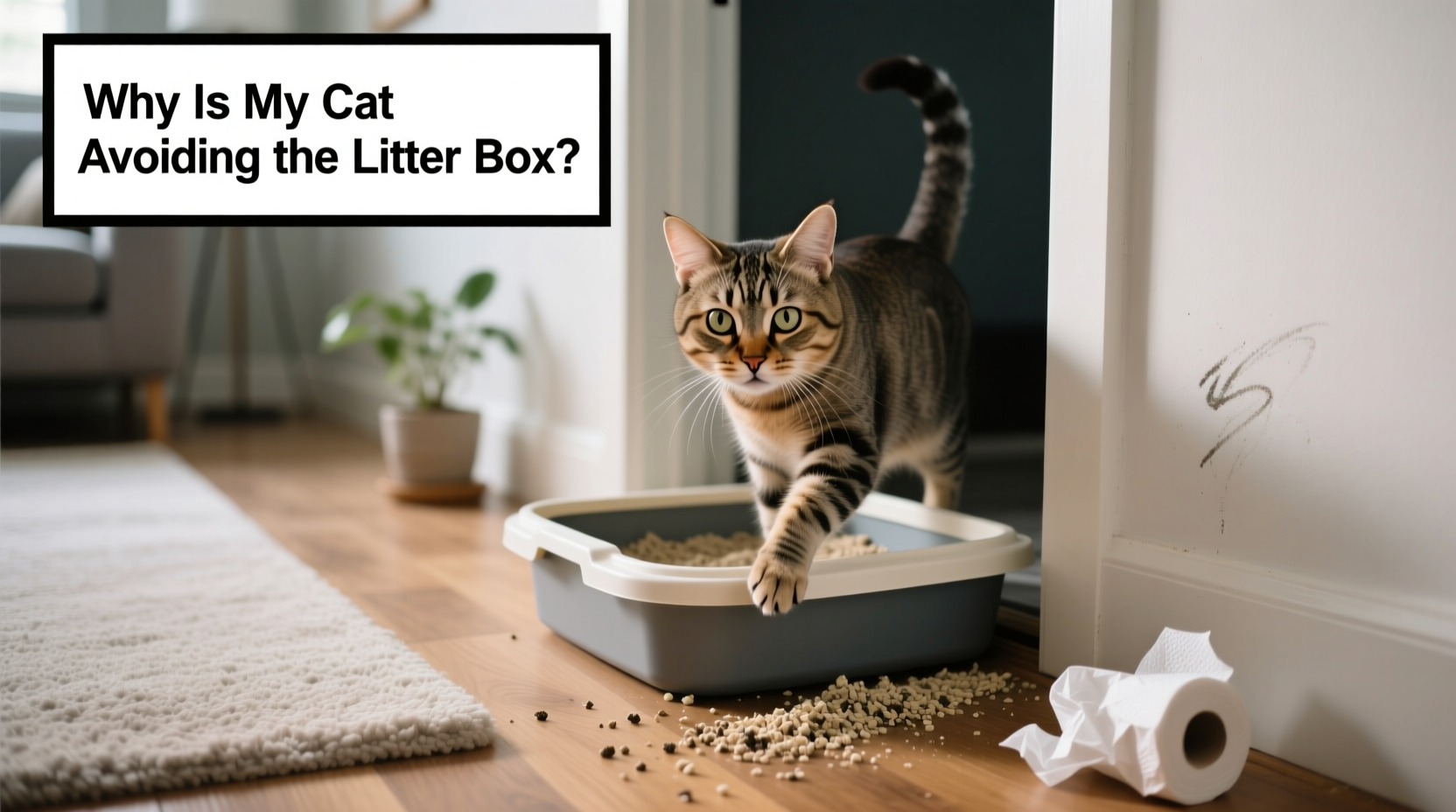
Cats don’t misbehave out of spite. When they eliminate outside the box, it’s usually because something is wrong. The reasons fall into three broad categories: medical, behavioral, and environmental.
- Medical issues: Urinary tract infections, bladder stones, kidney disease, arthritis, or gastrointestinal problems can make using the litter box painful or difficult.
- Behavioral triggers: Stress from household changes, new pets, or visitors can lead to avoidance. Some cats also develop aversions due to past negative experiences near the box.
- Environmental factors: An unclean box, inaccessible location, or unsuitable litter type can discourage use.
According to Dr. Sarah Wooten, DVM, and veterinary expert with over two decades of experience, “When a house-trained cat starts going elsewhere, rule out pain first. A cat in discomfort will associate the box with suffering and avoid it.”
“Any sudden change in elimination habits should prompt a vet visit. Painful conditions like FLUTD (feline lower urinary tract disease) are common and urgent.” — Dr. Sarah Wooten, DVM
Step-by-Step Guide to Diagnose and Fix the Issue Fast
Resolving litter box avoidance requires a methodical approach. Follow these steps in order to identify and correct the cause efficiently.
- Rule out medical problems. Schedule a vet appointment immediately. Your veterinarian will likely perform a urinalysis, blood work, and possibly X-rays to check for infections, crystals, or other physical ailments.
- Observe elimination patterns. Note where, when, and how often your cat eliminates outside the box. Is it urine, stool, or both? Is it near the box or in secluded areas? This helps distinguish marking from avoidance.
- Inspect the litter box setup. Evaluate cleanliness, number of boxes, location, and litter type. Even subtle changes matter.
- Reduce stressors. Identify recent changes—new pets, moves, loud noises—and address them. Use pheromone diffusers if needed.
- Reintroduce the litter box positively. Make the box appealing again through gradual retraining and positive reinforcement.
Litter Box Do’s and Don’ts: A Quick Reference Table
| Do’s | Don’ts |
|---|---|
| Provide one box per cat, plus one extra | Have only one box for multiple cats |
| Scoop daily and deep-clean weekly | Let waste accumulate for days |
| Place boxes in quiet, accessible locations | Put boxes in noisy laundry rooms or tight corners |
| Use unscented, clumping clay or paper-based litter | Use heavily perfumed or textured litters |
| Offer multiple litter types during trials | Switch litters abruptly without transition |
| Keep boxes away from food and water bowls | Place litter and feeding areas side by side |
Real Example: Bella’s Sudden Litter Box Refusal
Bella, a 4-year-old domestic shorthair, had used her litter box without issue for years. Then, over two weeks, she began urinating behind the couch and on a bathroom towel. Her owner, Maria, was baffled. No new pets, no moves—nothing seemed different.
Maria took Bella to the vet. A urinalysis revealed a mild urinary tract infection and small crystals in her urine. The vet prescribed antibiotics and recommended switching to a urinary health diet. Maria also realized the litter box had been moved six inches during a floor cleaning—a minor shift, but enough to disrupt Bella’s routine.
After treatment and returning the box to its original spot, Maria added a second box in a quieter hallway. Within five days, Bella resumed normal litter use. The case highlights how even small changes, combined with underlying health issues, can trigger avoidance.
Action Checklist: What to Do Right Now
If your cat is avoiding the litter box, act quickly. Use this checklist to cover all bases:
- ✅ Schedule a vet appointment within 48 hours
- ✅ Scoop all litter boxes today—even if they look clean
- ✅ Count your boxes: do you have N+1 (number of cats plus one)?
- ✅ Clean accidents with an enzymatic cleaner, not ammonia-based products
- ✅ Remove any liners or hoods that may trap odors or restrict movement
- ✅ Try a new litter type (unscented, fine-grained) in a second box as a test
- ✅ Ensure boxes are in low-traffic, easily accessible areas
- ✅ Monitor interactions if you have multiple cats—check for bullying near the box
Addressing Multi-Cat Household Challenges
In homes with multiple cats, litter box avoidance is often linked to social stress. Dominant cats may guard boxes, forcing others to eliminate elsewhere. Even subtle intimidation—like staring or blocking access—can create anxiety.
The solution lies in redundancy and privacy. Each cat should have at least one dedicated box, ideally placed in separate zones of the house. For example, place one upstairs, one downstairs, and one in a quiet bedroom. Avoid clustering boxes together, as this creates a single contested zone.
Pheromone diffusers like Feliway can help reduce inter-cat tension. These devices release synthetic versions of feline facial pheromones, promoting a sense of safety. One study published in the *Journal of Feline Medicine and Surgery* found that Feliway reduced inappropriate elimination in 70% of multi-cat households within four weeks.
FAQ: Common Questions About Litter Box Avoidance
Is my cat punishing me by going outside the box?
No. Cats do not eliminate out of revenge or to assert dominance. This behavior is almost always driven by discomfort, fear, or medical distress. Attributing human emotions to cats delays proper diagnosis and resolution.
How long does it take to fix litter box issues?
With prompt action, many cases resolve within 3–7 days. Medical treatments may take longer, but improvement should be visible within the first week. Consistency in cleaning and environment is key to preventing relapse.
Should I confine my cat to one room to retrain them?
In severe or persistent cases, short-term confinement in a quiet room with food, water, toys, and a clean litter box can help reestablish good habits. Limit space to encourage box use, then gradually reintroduce the rest of the home once consistent use resumes.
Conclusion: Act Fast, Stay Calm, and Restore Trust
A cat avoiding the litter box isn’t being defiant—it’s communicating distress. Whether the cause is physical pain, a dirty box, or household stress, the solution begins with empathy and swift action. Start with a vet visit to rule out illness, then systematically improve the litter environment. With patience and consistency, most cats return to proper habits quickly.
Remember, every accident cleaned with an enzymatic solution is a step toward breaking the cycle. Every clean, accessible box is an invitation to do the right thing. And every moment you respond with understanding—not frustration—strengthens the bond between you and your cat.




 浙公网安备
33010002000092号
浙公网安备
33010002000092号 浙B2-20120091-4
Comments
No comments yet. Why don't you start the discussion?