
When a cat that once used the litter box reliably begins eliminating outside of it, owners often feel confused and frustrated. While medical issues should always be ruled out first, many cases stem from behavioral causes. Understanding the psychological and environmental triggers behind this shift is essential for restoring harmony in your home. Cats are creatures of habit, and even subtle changes can disrupt their sense of security and routine. This article explores the most common behavioral reasons cats avoid the litter box, backed by expert insights and real-life examples, and provides practical, science-based solutions.
Understanding the Cat's Mind: Why Behavior Matters
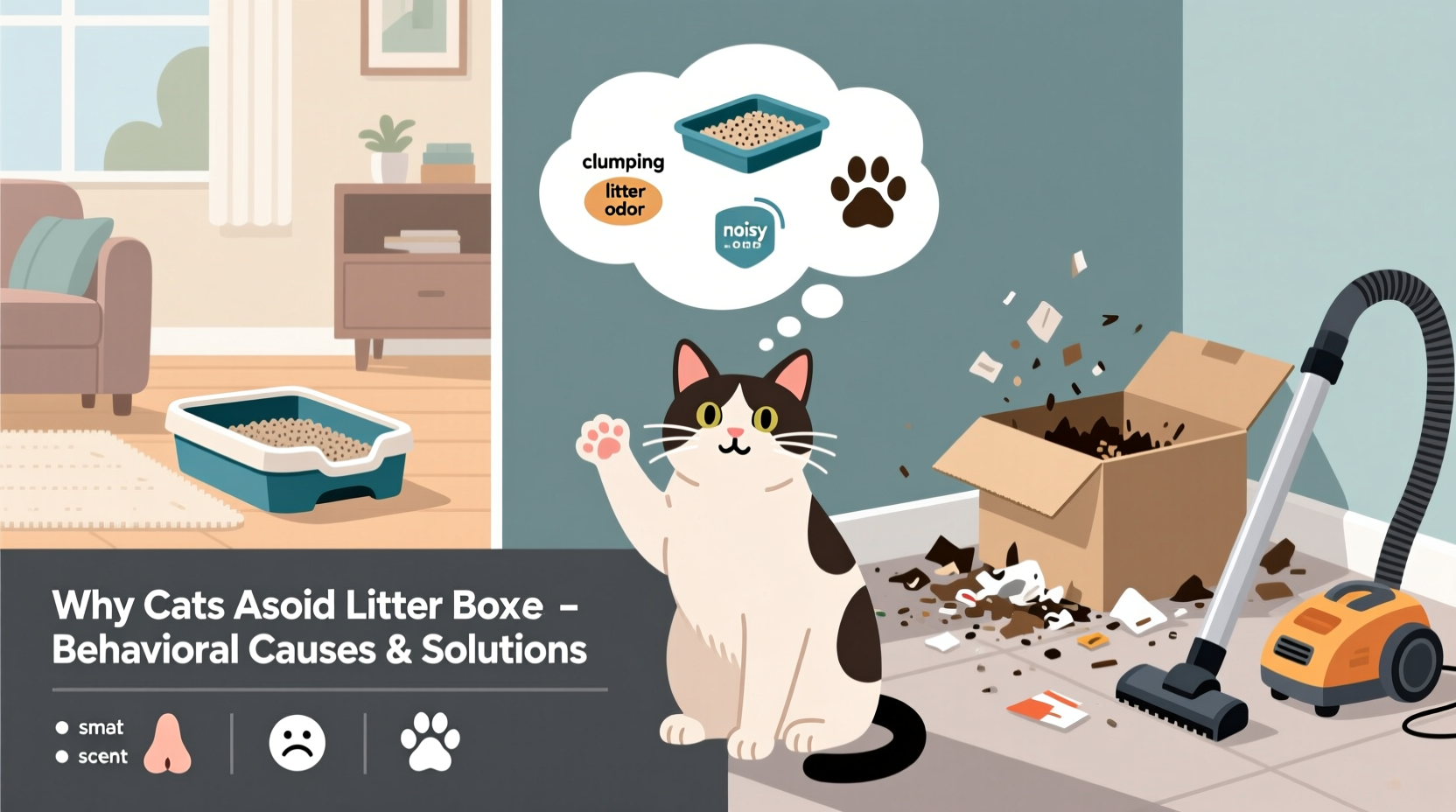
Cats do not eliminate outside the litter box out of spite or rebellion. Unlike dogs, cats lack the cognitive framework for punitive behavior. Instead, inappropriate elimination is a form of communication—often signaling stress, discomfort, or dissatisfaction with their environment. Behavioral experts emphasize that when a cat stops using the litter box, it’s usually because something in their world has changed in a way they perceive as threatening or unpleasant.
Dr. Sarah Ellis, feline behavior specialist at the International Cat Care organization, explains:
“Cats are highly sensitive to changes in their territory. What may seem minor to us—a new person in the house, rearranged furniture, or even a different brand of litter—can be profoundly disruptive to a cat’s sense of safety.”
This sensitivity means that behavioral solutions must go beyond cleaning up accidents. They require empathy, observation, and a willingness to adapt the home environment to meet the cat’s emotional needs.
Common Behavioral Causes of Litter Box Avoidance
Several key behavioral factors contribute to litter box avoidance. Identifying which one applies to your situation is the first step toward resolution.
1. Stress and Environmental Changes
Cats thrive on predictability. Major life events such as moving, introducing a new pet, loud construction, or even a change in work schedules can trigger anxiety. A stressed cat may associate the litter box with negative feelings—especially if the box is located in a high-traffic or noisy area.
2. Litter Box Aversion
This occurs when the cat develops a negative association with the box itself. Possible triggers include:
- Sudden change in litter type (e.g., switching from unscented to scented clay)
- A traumatic event near the box (such as being startled while using it)
- Painful urination that becomes linked to the box location
3. Territorial Marking
In multi-cat households, cats may eliminate outside the box to mark territory. This is more common with unneutered males but can occur in any cat feeling insecure about social hierarchy. Marking typically involves small amounts of urine on vertical surfaces, but sometimes it appears on the floor near the box.
4. Inadequate Litter Box Setup
Many owners underestimate how particular cats are about their toileting space. Issues include:
- Too few boxes (the general rule is one per cat plus one extra)
- Poor placement (near loud appliances or food bowls)
- Uncovered boxes that trap odors and create a claustrophobic feel
- Lack of privacy
5. Past Trauma or Negative Experiences
If a kitten had limited access to a clean litter box early in life, or was punished for accidents, they may develop long-term aversions. Punishment, in particular, teaches the cat to fear the owner—not to use the box properly.
Step-by-Step Guide to Restoring Litter Box Use
Resolving litter box issues requires patience and a structured approach. Follow these steps systematically to identify and correct the root cause.
- Rule Out Medical Issues – Schedule a vet visit to check for urinary tract infections, kidney disease, arthritis, or other conditions. Painful urination often leads cats to avoid the box.
- Assess the Litter Box Environment – Evaluate location, number, size, and cleanliness. Is the box in a quiet, accessible area? Is it scooped daily?
- Experiment with Litter Type – Try unscented, clumping, fine-grained litter. Some cats prefer natural options like paper or wood pellets. Offer two boxes with different litters to see which the cat chooses.
- Add Extra Boxes – Place additional boxes in new locations, especially if your home has multiple levels. Avoid putting them side by side—spread them out.
- Reduce Stress Triggers – Identify recent changes. Use pheromone diffusers (like Feliway), maintain routines, and provide safe hiding spaces.
- Clean Accidents Properly – Use enzymatic cleaners to remove odor completely. Regular household cleaners may leave scents that attract repeat marking.
- Reintroduce the Box Gradually – If aversion is strong, place a new box near the accident site. Slowly move it to the desired location over several days.
Do’s and Don’ts: Litter Box Management Table
| Action | Do | Don't |
|---|---|---|
| Litter Type | Use unscented, soft-textured litter | Switch brands abruptly or use strong fragrances |
| Box Placement | Choose quiet, low-traffic areas with easy escape routes | Place near noisy appliances or food bowls |
| Cleaning Frequency | Scoop daily, change litter weekly | Leave waste for more than 24 hours |
| Number of Boxes | One per cat + one extra | Share one box among multiple cats |
| Response to Accidents | Clean with enzymatic cleaner, remain calm | Yell, rub the cat’s nose in it, or confine as punishment |
Real Example: Bella’s Comeback to the Litter Box
Maria adopted Bella, a three-year-old domestic shorthair, six months ago. For weeks, Bella used the litter box without issue. Then, after Maria started working from home, Bella began urinating on the bathroom rug. Concerned, Maria took Bella to the vet. Bloodwork and urine analysis showed no infection or physical abnormality.
Upon reviewing Bella’s environment, the veterinarian noted that Maria had moved the litter box from the spare bedroom to the basement to reduce odor upstairs. The basement was dark, infrequently visited, and next to a humming furnace. Though clean, the box felt isolated and intimidating.
Following the vet’s advice, Maria placed a second, uncovered box in a quiet corner of the main floor. She used the same litter but added a small rug nearby to make the area feel more familiar. Within three days, Bella began using the new box. Over the next two weeks, Maria gradually phased out the basement box. Bella hasn’t had an accident since.
This case illustrates how a well-intentioned change—moving the box for cleanliness—unintentionally disrupted Bella’s comfort. The solution wasn’t training, but re-establishing a sense of safety.
Expert Insight: The Role of Routine and Control
Dr. Elizabeth Stelow, Chief of Clinical Animal Behavior at UC Davis School of Veterinary Medicine, emphasizes the importance of control in feline psychology:
“Cats need to feel in control of their environment. When they can’t predict or influence their surroundings, they may express distress through elimination behaviors. Our job is not to dominate the cat, but to create a world where they feel secure enough to make good choices.”
This principle underpins every successful behavioral intervention: empower the cat with choice, consistency, and comfort.
Checklist: Action Plan for Litter Box Success
Use this checklist to troubleshoot and resolve litter box issues:
- ✅ Schedule a veterinary exam to rule out medical causes
- ✅ Count your litter boxes—do you have N+1?
- ✅ Scoop all boxes at least once daily
- ✅ Use unscented, clumping litter unless your cat shows preference otherwise
- ✅ Place boxes in quiet, accessible, private locations
- ✅ Avoid covered boxes unless your cat clearly prefers them
- ✅ Clean accidents with enzymatic cleaner—never ammonia-based products
- ✅ Introduce calming aids like Feliway diffusers in high-stress areas
- ✅ Observe your cat’s habits—note when and where accidents occur
- ✅ Be patient—behavioral changes can take weeks to resolve
Frequently Asked Questions
Why would a previously well-trained cat stop using the litter box?
A sudden change in litter box use is rarely due to defiance. More commonly, it signals stress, a medical issue, or dissatisfaction with the box setup. Recent changes in the household, litter type, or box location are frequent triggers. Always consult a vet first to rule out health problems.
How long does it take to fix litter box issues?
There’s no fixed timeline. Some cats respond within days of environmental adjustments; others may take several weeks, especially if anxiety or past trauma is involved. Consistency, patience, and avoiding punishment are critical. Most cases improve significantly within four to six weeks of implementing proper solutions.
Can neutering help with litter box problems?
Yes. Unneutered male cats are more likely to mark territory with urine. Neutering reduces or eliminates this behavior in up to 90% of cases, especially if done before sexual maturity. However, neutering won’t resolve issues caused by stress, litter aversion, or medical conditions.
Conclusion: Rebuilding Trust One Step at a Time
A cat avoiding the litter box isn’t broken—it’s communicating. By listening carefully through observation and empathy, you can uncover the underlying cause and restore trust. Behavioral issues require more than quick fixes; they demand a thoughtful, compassionate approach that respects the cat’s instincts and emotional needs. With the right adjustments—clean boxes, strategic placement, reduced stress, and positive reinforcement—most cats will return to proper litter use.




 浙公网安备
33010002000092号
浙公网安备
33010002000092号 浙B2-20120091-4
Comments
No comments yet. Why don't you start the discussion?