
If you’ve ever returned home to find your cat nestled deep inside a shipping box half their size, tail flicking contentedly from one end, you’re not alone. Cardboard boxes—often discarded without a second thought—become instant cat magnets the moment they enter a home. But why? Why does a simple, empty box outshine even the most expensive cat tree or plush toy? The answer lies at the intersection of evolutionary biology, behavioral psychology, and environmental science. This isn’t just whimsy; it’s feline instinct in action.
Cats don’t need elaborate explanations for their preferences. Their behaviors are rooted in survival mechanisms refined over thousands of years. When your cat dives into a cardboard box, they aren't being quirky—they're responding to deeply ingrained needs for safety, warmth, and control over their environment. Understanding this behavior offers more than amusement; it provides insight into how we can better support our cats’ mental and emotional well-being.
The Evolutionary Edge: Safety First
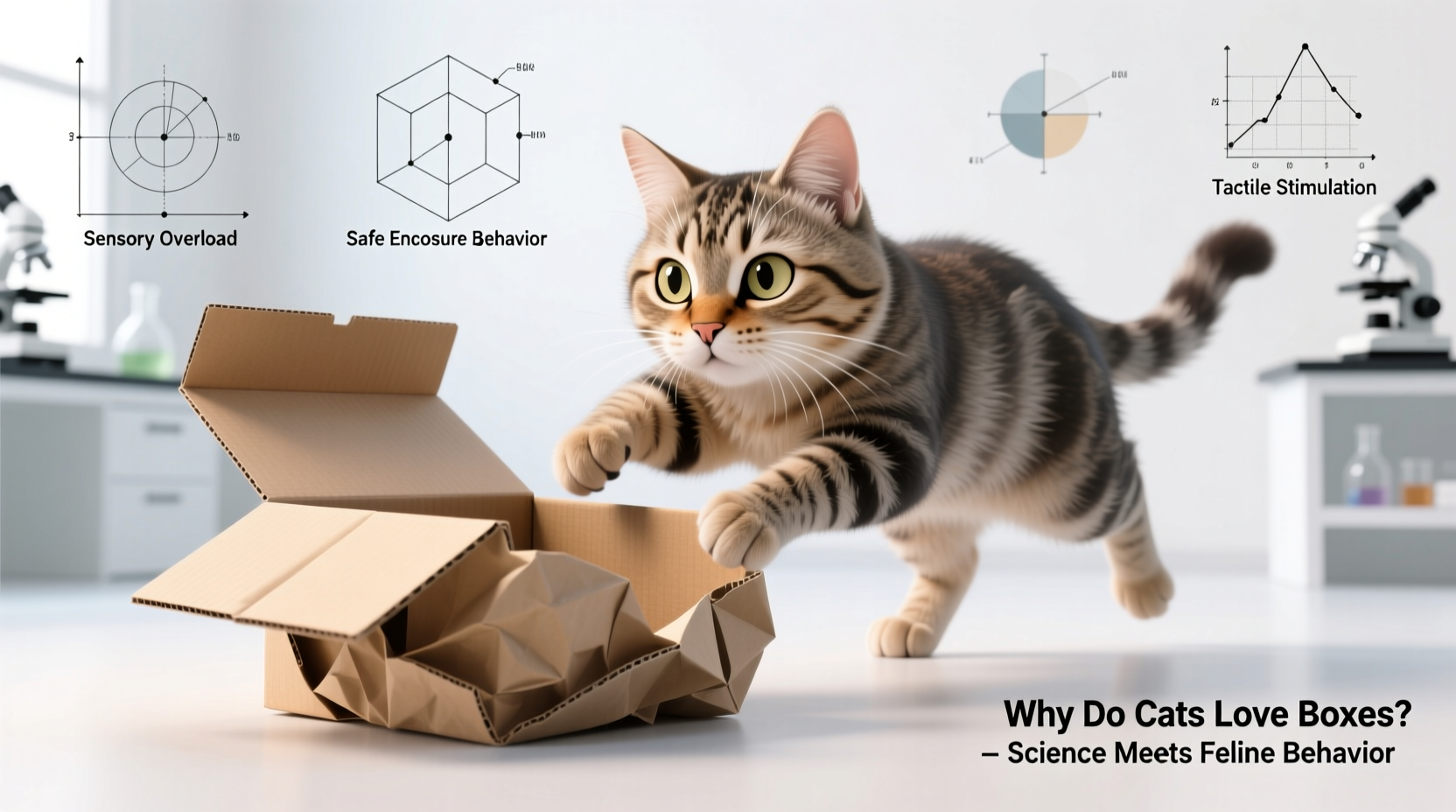
In the wild, small predators like domestic cats are also potential prey. Even though house cats face no real threat from coyotes or birds of prey indoors, their instincts remain intact. Enclosed spaces like cardboard boxes mimic dens—natural shelters that offer protection from above and around. A box provides high walls and a single entrance, allowing a cat to monitor their surroundings while remaining hidden. This sense of security reduces anxiety and gives them a tactical advantage, even if only imaginary.
Studies in animal behavior have shown that when stressed, cats seek out confined spaces. In a 2014 study published in *Applied Animal Behaviour Science*, researchers introduced shelter cats to new environments with and without hiding boxes. Those given access to boxes adjusted faster, showed fewer signs of stress, and engaged socially sooner than those without. The conclusion was clear: physical enclosures significantly improve psychological comfort during transitions.
“Hiding is a primary coping mechanism for cats under stress. Providing accessible shelters—even simple ones like cardboard boxes—can dramatically improve welfare.” — Dr. Claudia Vinke, Utrecht University, feline behavior researcher
This explains why a sudden change—like a move, new pet, or loud noises—might make your cat more attached to boxes overnight. The box isn’t just fun; it’s functional. It becomes a refuge when the world feels unpredictable.
Thermal Regulation: Warmth on a Budget
Cardboard may seem flimsy, but it’s an excellent insulator. Its fibrous structure traps air, creating a microclimate that retains body heat. Cats prefer ambient temperatures between 86°F and 97°F (30–36°C), much higher than typical room temperature. That’s why they gravitate toward sunny windowsills, radiators, and yes—cardboard boxes.
When a cat curls up inside a box, their body heat warms the enclosed space, and the cardboard slows heat loss. This energy-efficient nesting behavior conserves calories, echoing survival strategies from less domesticated ancestors who needed to preserve energy between hunts.
Sensory Stimulation and Environmental Enrichment
A cardboard box is more than a hideout—it’s a sensory playground. The crinkly texture under paw, the faint scent of paper and glue, the ability to scratch, chew, and claw at edges—all these provide low-level stimulation crucial for cognitive health. Indoor cats, especially, rely on their human environments to meet exploratory needs. Without adequate enrichment, they may develop stress-related behaviors like over-grooming or aggression.
Boxes are dynamic objects. They can be knocked over, dragged across floors, repurposed as ambush points during play, or transformed into multi-level structures when stacked. Unlike rigid plastic carriers or fabric cat caves, cardboard is malleable and interactive. Each interaction changes its shape slightly, keeping it novel and engaging.
From a behavioral standpoint, novelty matters. Cats are neophilic to a degree—they enjoy new stimuli—but only when introduced safely. A cardboard box appears suddenly, smells unfamiliar, and behaves unpredictably (crunching when stepped on), making it inherently interesting. Yet because it doesn’t threaten or move on its own, it remains non-threatening. This balance of novelty and safety makes boxes uniquely appealing.
Stress Reduction in Multi-Cat Households
In homes with multiple cats, competition for resources—including space—can lead to tension. Dominant cats often claim preferred resting spots, forcing others into suboptimal locations. Cardboard boxes act as equalizers. Placed strategically around the home, they create additional “safe zones” where subordinate cats can retreat without confrontation.
Beyond hierarchy management, boxes help reduce inter-cat conflict by minimizing surprise encounters. A cat curled in a box has a clear line of sight and controlled entry, reducing the likelihood of defensive reactions. This spatial predictability supports cohabitation and lowers ambient stress levels throughout the household.
Consider this real-world example:
Mini Case Study: The Box Intervention in a Two-Cat Apartment
Sarah adopted Luna, a shy rescue cat, to join her confident tabby, Milo. Within days, Luna spent most of her time under the bed, avoiding interaction. After consulting a veterinary behaviorist, Sarah placed three open-top cardboard boxes in neutral zones—near the living room window, beside the bookshelf, and in a quiet hallway. She rotated them weekly to maintain interest.
Within two weeks, Luna began using the boxes regularly. Over time, she started napping in them during daylight hours, visible to Milo. Eventually, the two cats began resting near each other—with Luna always within reach of her “safe” box. The boxes didn’t eliminate hierarchy, but they gave Luna agency and reduced overall household tension.
Do’s and Don’ts: Managing Your Cat’s Box Obsession
While cardboard boxes are generally safe, there are best practices to ensure your cat’s fascination remains healthy and hygienic.
| Do | Don’t |
|---|---|
| Leave boxes accessible in quiet, low-traffic areas | Use boxes with staples, tape, or toxic ink labels |
| Remove loose plastic wrap, zip ties, or packing materials | Force your cat out of a box they’re using |
| Provide multiple boxes if you have more than one cat | Assume all cats will love boxes—some may ignore them |
| Replace soiled or structurally unsound boxes regularly | Use boxes stored in damp or dirty environments |
| Encourage play by cutting doorways or stacking boxes creatively | Glue or staple boxes together in ways that trap your cat |
When Sudden Box Fixation Might Signal a Problem
While box-seeking is normal, a sudden or intense shift in behavior warrants attention. If your cat, previously indifferent to boxes, now refuses to leave one—even skipping meals or avoiding litter box duties—it could indicate underlying issues such as:
- Pain or illness (e.g., arthritis making soft surfaces preferable)
- Environmental stress (new baby, construction noise, etc.)
- Dental discomfort (chewing cardboard may soothe sore gums)
- Anxiety disorders or cognitive dysfunction in senior cats
Monitor for additional symptoms: decreased appetite, excessive vocalization, litter box avoidance, or aggression. If concerns persist beyond a few days, consult your veterinarian. Behavioral changes are often early warning signs of medical conditions.
Step-by-Step: Creating a Feline-Friendly Box Environment
You don’t need to buy specialized cat furniture to support your cat’s natural tendencies. With a few thoughtful steps, you can turn everyday packaging into enriching habitats.
- Collect clean boxes: Save medium-sized shipping boxes (shoebox to storage bin size) from online orders or stores. Avoid greasy food containers or damaged boxes.
- Prep for safety: Remove all tape, stickers, plastic liners, and staples. Sand rough edges if necessary.
- Choose strategic locations: Place boxes in quiet corners, near windows, or between rooms where your cat likes to observe activity.
- Vary the design: Cut viewing holes or doorways at different heights. Stack boxes for climbing opportunities (ensure stability).
- Add comfort (optional): Line with a removable fleece blanket or old towel. Avoid permanent adhesives or stuffing that could be ingested.
- Rotate monthly: Swap out boxes every 4–6 weeks to prevent boredom and maintain hygiene.
- Observe and adapt: Note which boxes your cat prefers and adjust placement or size accordingly.
Frequently Asked Questions
Is it safe for cats to eat cardboard?
Small amounts of incidental chewing are usually harmless, but consistent ingestion can lead to gastrointestinal blockages. If your cat is actively eating cardboard rather than just scratching or playing with it, consult your vet. Pica—a condition where animals consume non-food items—can signal nutritional deficiencies or behavioral disorders.
Why does my cat only use the box when I’m watching?
Cats are highly attuned to human attention. Some learn that entering a box triggers positive reactions—photos, laughter, affection—and may perform the behavior for reinforcement. Others simply feel braver exploring new objects when you’re nearby, using your presence as a security cue.
Can I replace cardboard boxes with store-bought cat caves?
You can, but many cats still prefer cardboard. Commercial products often lack the crinkly texture, easy customization, and insulating properties of cardboard. However, insulated igloo beds or felted wool houses may appeal to cats seeking warmth and seclusion. Always offer choices and observe preferences.
Final Thoughts: Respecting the Box Code
The cardboard box obsession isn’t random. It’s a window into the complex inner world of cats—a blend of instinct, intelligence, and emotional need. What seems like a silly habit is actually a sophisticated survival strategy adapted to modern life. By honoring this behavior, we do more than indulge our pets; we affirm their autonomy and reduce unseen stressors.
Rather than removing boxes as clutter, consider them essential tools in feline well-being. Keep a few on hand. Customize them. Watch how your cat interacts with them. You might discover new patterns in their daily rhythms, preferences, and personality.




 浙公网安备
33010002000092号
浙公网安备
33010002000092号 浙B2-20120091-4
Comments
No comments yet. Why don't you start the discussion?