
Cat owners often experience a moment of concern when they hear the unmistakable sound of their feline companion retching. Occasional vomiting in cats can be normal, but frequent or severe episodes may signal an underlying health issue. Understanding the difference between harmless hairball expulsion and a symptom of something more serious is crucial for responsible pet care. This guide explores the most common reasons cats vomit, how to respond appropriately, and when it’s time to consult a veterinarian.
Common Causes of Cat Vomiting
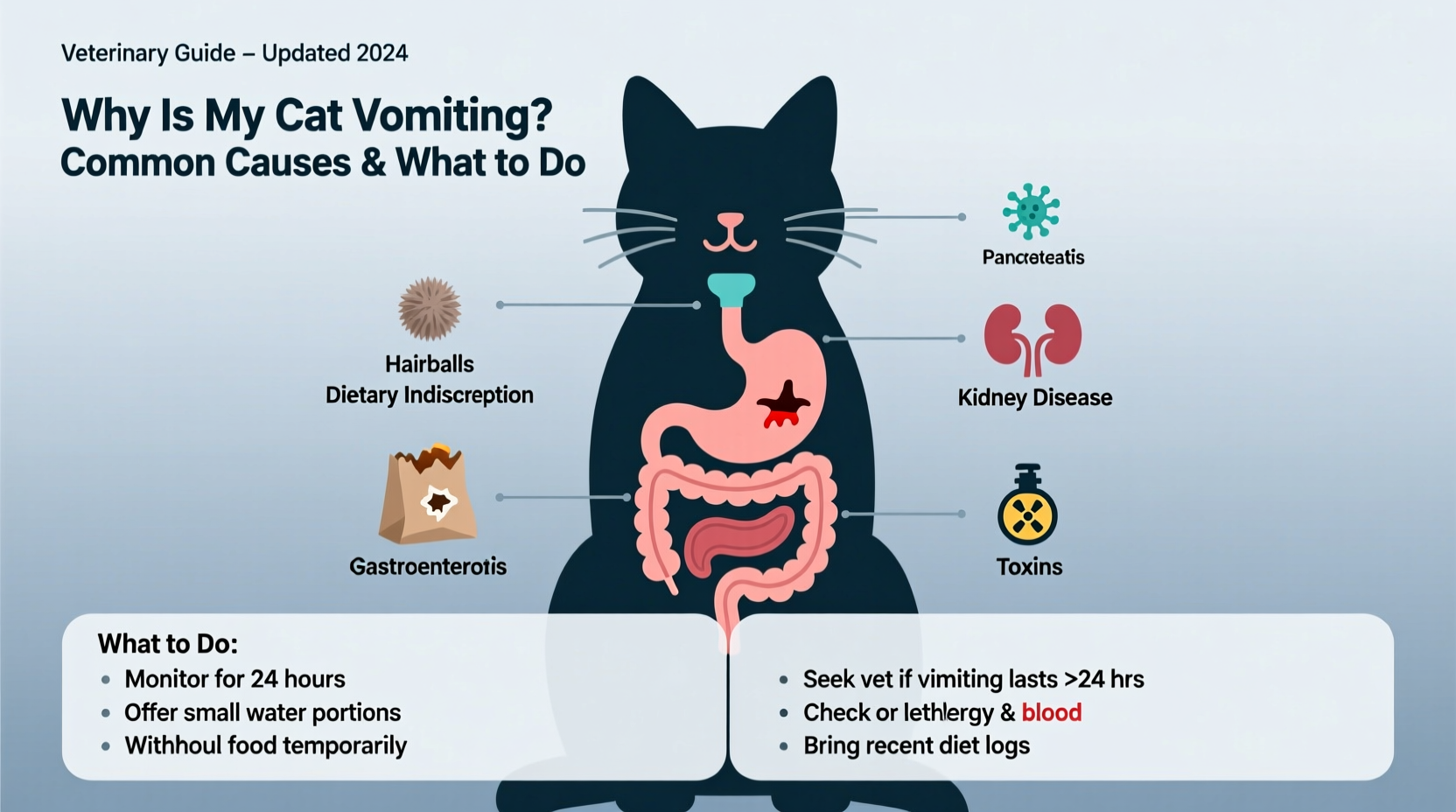
Vomiting in cats can stem from a wide range of factors—some minor, others requiring urgent attention. The key is identifying patterns, frequency, and accompanying symptoms.
- Hairballs: Cats groom themselves regularly, ingesting loose fur. Over time, this can accumulate in the stomach and be expelled as a cylindrical mass. Occasional hairball vomiting (once every few weeks) is generally not a cause for concern.
- Dietary indiscretion: Eating too quickly, consuming spoiled food, or nibbling on houseplants can irritate the stomach and lead to vomiting.
- Food intolerance or allergy: Some cats react poorly to certain proteins, grains, or additives in commercial cat food, resulting in gastrointestinal upset.
- Sudden diet changes: Abruptly switching cat food brands or types can disrupt digestion and trigger vomiting.
- Parasites: Intestinal worms such as roundworms or giardia can cause vomiting, diarrhea, and weight loss, especially in kittens.
- Infections: Viral or bacterial infections affecting the digestive tract often present with vomiting, lethargy, and fever.
- Toxin ingestion: Lilies, household cleaners, antifreeze, and human medications are highly toxic to cats and can induce vomiting as an early sign.
- Chronic diseases: Conditions like kidney disease, hyperthyroidism, diabetes, and inflammatory bowel disease frequently include vomiting among their symptoms.
- Obstruction: Ingesting foreign objects like string, rubber bands, or small toys can block the digestive tract, leading to persistent vomiting.
- Pancreatitis: Inflammation of the pancreas can cause nausea, vomiting, and abdominal pain.
When to Worry: Red Flags to Watch For
Not all vomiting requires a vet visit, but certain signs indicate a need for prompt professional assessment.
“Vomiting that persists beyond 24 hours, occurs multiple times a day, or is accompanied by other symptoms like dehydration, lethargy, or refusal to eat should never be ignored.” — Dr. Lena Torres, DVM, Feline Internal Medicine Specialist
Emergency warning signs include:
- Vomiting more than once daily for two consecutive days
- Visible blood in vomit (bright red or dark, like coffee grounds)
- Inability to keep water down
- Distended or painful abdomen
- Signs of dehydration (dry gums, sunken eyes, skin tenting)
- Weight loss, hiding, or extreme lethargy
- Known ingestion of toxic substances or foreign objects
Step-by-Step: What to Do When Your Cat Vomits
If your cat vomits once and otherwise seems normal, you can begin with at-home monitoring. Follow this timeline to assess and respond appropriately:
- Withhold food for 12 hours: Allow the digestive system to rest. Continue offering fresh water in small amounts to prevent dehydration.
- Reintroduce bland food: After the fast, offer small portions of boiled chicken or plain pumpkin (not pie filling). Alternatively, use a prescription gastrointestinal diet recommended by your vet.
- Monitor closely: Observe your cat’s behavior, appetite, and litter box habits over the next 24–48 hours.
- Gradually return to regular diet: If no further vomiting occurs, slowly reintroduce the usual food over 2–3 days.
- Contact your vet if symptoms persist: If vomiting returns after reintroducing food or worsens, schedule an appointment immediately.
Do’s and Don’ts: Managing Vomiting at Home
| Do’s | Don’ts |
|---|---|
| Offer small sips of water frequently | Force-feed or give large meals |
| Use slow feeder bowls to reduce eating speed | Give over-the-counter medications without vet approval |
| Brush your cat regularly to reduce hairballs | Ignore repeated vomiting even if the cat seems active |
| Switch foods gradually over 7–10 days | Mix new and old food abruptly |
| Keep toxic plants and chemicals out of reach | Assume vomiting is “just a hairball” without checking for other symptoms |
Real-Life Example: A Case of Misdiagnosed Hairballs
Sarah noticed her 8-year-old tabby, Milo, had been vomiting about once a week. She assumed it was due to hairballs and continued using hairball gel. Over two months, Milo became pickier with food and lost noticeable weight. Concerned, Sarah took him to the vet. Blood tests revealed chronic kidney disease, which commonly presents with intermittent vomiting in cats. With proper medication, a renal-friendly diet, and fluid therapy, Milo’s condition stabilized. This case highlights how recurring vomiting—even if seemingly mild—can mask progressive illnesses.
Prevention Tips and Long-Term Care
While not all vomiting can be prevented, proactive care reduces risks significantly.
- Use high-quality, easily digestible cat food with limited ingredients if allergies are suspected.
- Introduce any dietary changes gradually over one to two weeks.
- Regular deworming and parasite prevention help avoid gastrointestinal infections.
- Schedule annual or biannual wellness exams, especially for cats over seven years old.
- Provide hairball remedies or lubricants during heavy shedding seasons.
- Ensure your home is free of toxic plants and inaccessible to hazardous items.
Frequently Asked Questions
Is it normal for cats to vomit once a month?
Occasional vomiting—such as once a month—may be normal if it’s related to hairballs and the cat remains otherwise healthy, energetic, and maintains weight. However, consistent monthly episodes should still be discussed with your vet to rule out low-grade inflammation or food sensitivities.
Can stress cause my cat to vomit?
Yes. Stress from environmental changes (new pets, moving, loud noises) can trigger nausea and vomiting in sensitive cats. Providing safe spaces, using pheromone diffusers, and maintaining routine can help reduce stress-related episodes.
Should I feed my cat grass?
Many cats instinctively eat grass to aid digestion and induce vomiting when they feel unwell. Offering safe, pesticide-free cat grass can be beneficial. Avoid letting cats chew on outdoor plants unless you’re certain they’re non-toxic.
Conclusion: Prioritize Your Cat’s Health with Informed Action
Vomiting in cats ranges from benign to life-threatening. As a pet owner, your vigilance plays a critical role in early detection and treatment. By understanding the causes, recognizing warning signs, and knowing when to act, you can protect your cat’s long-term well-being. Never dismiss recurring vomiting as normal aging or grooming behavior. When in doubt, consult your veterinarian—timely intervention can make all the difference.




 浙公网安备
33010002000092号
浙公网安备
33010002000092号 浙B2-20120091-4
Comments
No comments yet. Why don't you start the discussion?