
A freshly cut Christmas tree should drink a surprising amount of water—sometimes up to a gallon per day in the first few days after setup. When your tree isn’t drinking, it’s more than just a curiosity; it’s a warning sign. Dry needles, rapid needle drop, and fire hazards are real consequences of dehydration. The good news: most causes are preventable or fixable with the right knowledge. Whether you’ve just set up your tree or noticed it’s gone dry after a week, understanding why your tree isn’t absorbing water can save your holiday centerpiece.
Why Fresh-Cut Trees Need Water Immediately
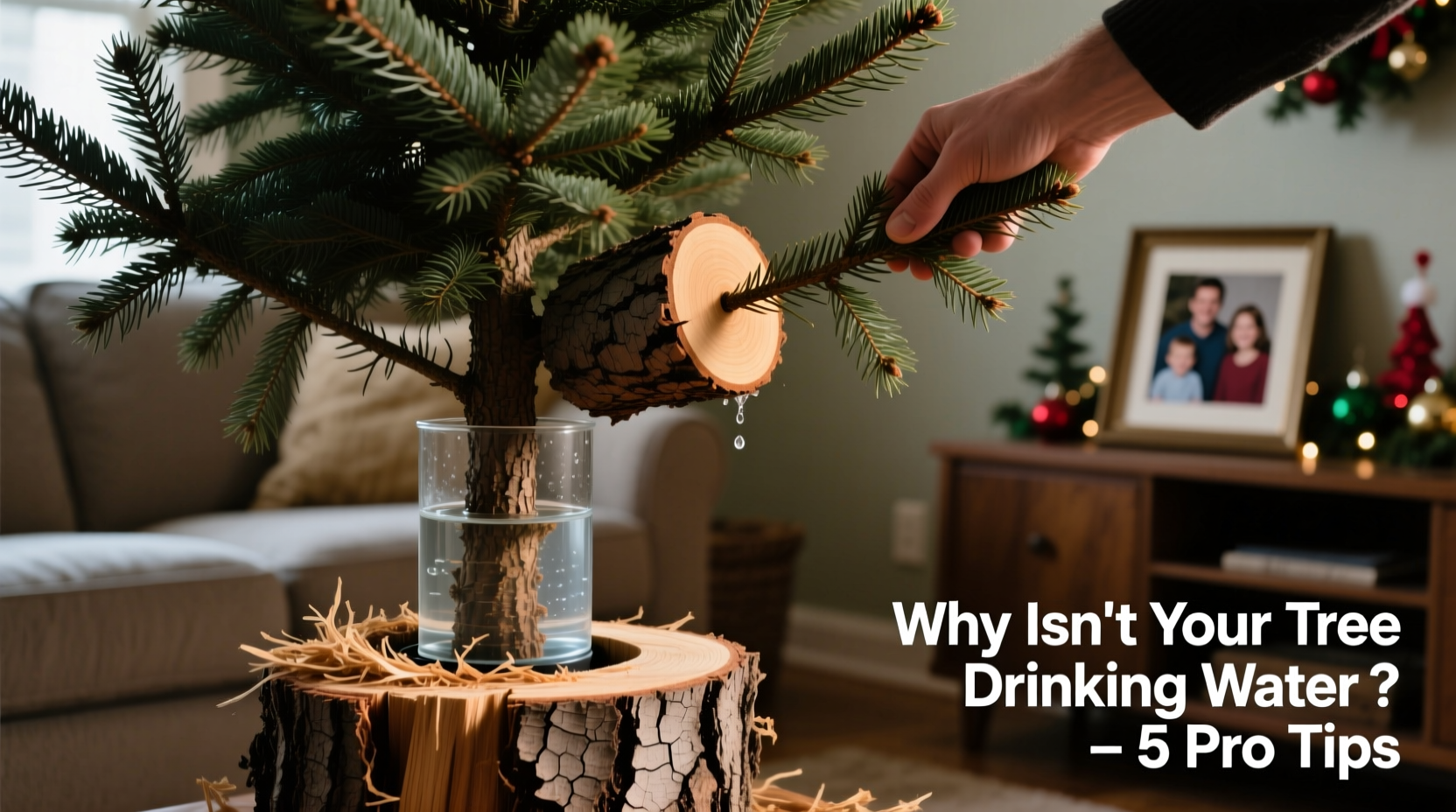
When a Christmas tree is cut, the exposed trunk begins forming a seal within hours. This seal, made of sap and dried cellular material, blocks water from being absorbed through the base—much like a scab on skin. If the tree isn’t placed in water quickly, this seal becomes permanent, and no amount of care afterward will restore its ability to drink.
Evergreen trees like firs, spruces, and pines rely on constant moisture to stay vibrant. Unlike deciduous trees that go dormant, conifers maintain internal moisture year-round. Once cut, they depend entirely on their water source at the base. Without it, transpiration—the process of water moving from roots to needles—stops, and the tree begins to dry out within 48 hours.
“Within six to twelve hours of being cut, a tree’s vascular system starts sealing off. That’s why recutting the trunk before placing it in water is non-negotiable.” — Dr. Linda Foster, Arborist and Holiday Tree Specialist, University of Vermont Extension
Common Reasons Your Christmas Tree Isn’t Drinking Water
Even with the best intentions, several factors can prevent proper water uptake. Identifying the root cause is key to reviving your tree or preventing further issues.
1. No Fresh Cut Was Made After Purchase
If the tree sat for more than a few hours after the initial cut without being submerged in water, the base has likely sealed. A sealed trunk cannot absorb water, regardless of how full the stand is.
2. The Stand Is Not Level or Is Overfilled
Tree stands must sit flat on the floor. An unlevel stand causes the trunk to press against one side, blocking water access to part of the cut surface. Overfilling can also lead to spillage when the tree sways, giving a false impression of high consumption when water levels drop.
3. Insufficient Water Capacity
Many decorative or compact stands hold less than a quart—far below what a large tree needs. A general rule: your stand should hold one quart of water per inch of trunk diameter. A 7-inch trunk needs a 7-quart capacity.
4. Environmental Stressors
Heat sources like radiators, fireplaces, heating vents, and even clusters of incandescent lights increase transpiration and accelerate drying. Low humidity from indoor heating systems compounds the problem.
5. Damaged or Improperly Cut Trunk
Splintered cuts, angled slices, or crush injuries from improper sawing (e.g., using a dull blade) damage the xylem—the tiny tubes responsible for water transport. A clean, straight, horizontal cut is ideal.
6. Contaminated Water
Adding additives like sugar, aspirin, bleach, or commercial “tree preservatives” may do more harm than good. These substances can promote bacterial growth or clog vascular tissues. Plain tap water is best.
Troubleshooting Guide: Step-by-Step Recovery Plan
If your tree hasn’t drunk water in over 24 hours, follow this timeline to diagnose and correct the issue.
- Day 1 – Assess and Recut
Remove the tree from the stand and inspect the base. Look for a dark, dry ring around the outer edge—this indicates sealing. Using a handsaw or pruning saw, cut ½ to 1 inch off the bottom. Make the cut straight and horizontal. Immediately return the trunk to room-temperature water. - Day 1 (After Recut) – Monitor Closely
Check water levels every 4–6 hours. A freshly recut tree may take 6–12 hours to begin drinking again. Do not let the water level drop below the base during this time. - Day 2 – Evaluate Uptake
If the tree still shows no water loss, recheck the stand. Ensure it’s level and the base sits flat. Confirm the trunk isn’t wedged too tightly. Gently rock the tree to test stability. - Day 3 – Environmental Adjustments
Move the tree away from heat sources. Increase ambient humidity with a nearby humidifier. Reduce light usage if bulbs feel hot to the touch. - Ongoing – Daily Maintenance
Refill water daily. Never let the stand run dry. Top off before bedtime and upon waking. Clean the reservoir weekly to prevent slime buildup.
Do’s and Don’ts: Watering Your Christmas Tree
| Do | Don't |
|---|---|
| Make a fresh, straight cut before setup | Cut at an angle or leave the old dried base |
| Use a stand with adequate water capacity | Use undersized or decorative stands with low reservoirs |
| Keep water levels above the base at all times | Let the stand go dry even for a few hours |
| Place the tree away from heat sources | Set near fireplaces, vents, or sunny south-facing windows |
| Refill with plain tap water | Add aspirin, sugar, soda, or commercial additives |
Real Example: The Johnson Family’s Near-Miss Tree
The Johnsons bought a 7-foot Fraser fir from a local farm on a Saturday morning. They admired it in the garage for two days while finishing holiday prep, planning to set it up on Monday evening. When they finally brought it inside, they skipped recutting the trunk, assuming the farm’s cut was sufficient.
By Tuesday, the tree hadn’t touched the water. By Thursday, needles were brittle and falling. Panicked, they called a local tree specialist who advised immediate recutting. They removed the tree, cut ¾ inch off the base, and submerged it in a bucket of water overnight. The next morning, they transferred it to a larger stand and placed it away from the living room vent.
Within six hours, water levels began dropping. Over the next week, the tree regained some suppleness and held its needles through Christmas. While not perfect, timely action saved their centerpiece. Their takeaway? “Never skip the fresh cut—and never wait more than a few hours after purchase.”
Checklist: Ensuring Your Tree Stays Hydrated
- ☐ Buy the tree as close to setup day as possible
- ☐ Transport it horizontally and cover the trunk to reduce drying
- ☐ Recut the trunk by at least ½ inch before placing in the stand
- ☐ Use a stand rated for your tree’s size (1 quart per inch of trunk)
- ☐ Fill the stand with room-temperature tap water immediately
- ☐ Check water levels twice daily for the first week
- ☐ Keep the tree away from heat sources and direct sunlight
- ☐ Never let the water drop below the base of the trunk
- ☐ Clean the stand weekly to prevent biofilm buildup
- ☐ Remove the tree promptly once water uptake stops completely
Frequently Asked Questions
How much water should my Christmas tree drink?
A freshly cut tree typically drinks between 1 and 2 quarts of water per day in the first few days. Larger trees (over 7 feet) may consume up to a gallon daily. After the first week, consumption usually slows but should never stop completely. If your tree goes more than 24 hours without drinking, investigate the cause immediately.
Can I add anything to the water to help the tree last longer?
No. Research from the National Christmas Tree Association and multiple university horticulture departments confirms that additives like sugar, aspirin, soda, bleach, or commercial products do not improve freshness and often hinder water absorption. Bacteria from organic additives can clog the trunk’s vascular system. Stick to plain tap water.
What if my tree still won’t drink after recutting?
If recutting doesn’t restore water uptake, the trunk may be damaged or the stand is faulty. Try transferring the tree to a different stand with a larger reservoir and ensure it sits level. If the problem persists, the tree may have been too stressed before purchase—heat exposure, prolonged storage, or mechanical damage can render a tree unsalvageable. In such cases, consider replacing it if possible.
Expert Insight: What Tree Farmers Know That You Don’t
“Most people don’t realize that a Christmas tree is still a living organism after harvest. It doesn’t ‘die’ the moment it’s cut. With proper hydration, it can remain fresh for five to six weeks. The critical window is the first 24 hours. That’s when you either set it up for success or guarantee failure.” — Mark Reynolds, Third-Generation Christmas Tree Farmer, Oregon Evergreens Co-op
Farmers harvest trees at peak moisture and store them in shaded, humid conditions until sale. They know that minimizing air exposure to the cut end is essential. Many use misting systems or submerge bases in water tanks. At home, you replicate this by acting fast and keeping the base wet at all times.
Conclusion: Save Your Tree Before It’s Too Late
A Christmas tree not drinking water isn’t necessarily a lost cause—but time is critical. The longer it goes without hydration, the less chance it has to recover. By understanding the science behind water uptake, recognizing early warning signs, and taking swift corrective action, you can preserve your tree’s beauty and safety throughout the holidays.
Start today: check your tree’s water level now. If it’s low, refill it. If it hasn’t dropped in 24 hours, plan a recut. Small actions make a dramatic difference. A well-hydrated tree stays greener, sheds fewer needles, and poses less fire risk. More than that, it keeps the spirit of the season alive in your home.




 浙公网安备
33010002000092号
浙公网安备
33010002000092号 浙B2-20120091-4
Comments
No comments yet. Why don't you start the discussion?