
A freshly cut Christmas tree should drink a surprising amount of water—often up to a quart per day per inch of trunk diameter. When your tree stops taking in water, it’s not just disappointing; it increases fire risk and accelerates needle drop. Understanding why this happens—and how to reverse it—is essential for maintaining a safe, vibrant centerpiece during the holidays.
The issue isn't always neglect. Even attentive homeowners can fall victim to unseen problems like sap sealing, bacterial buildup, or improper handling before the tree ever reached the stand. The good news? Most causes are preventable and reversible with the right knowledge and timing.
How Christmas Trees Absorb Water: The Science Behind It
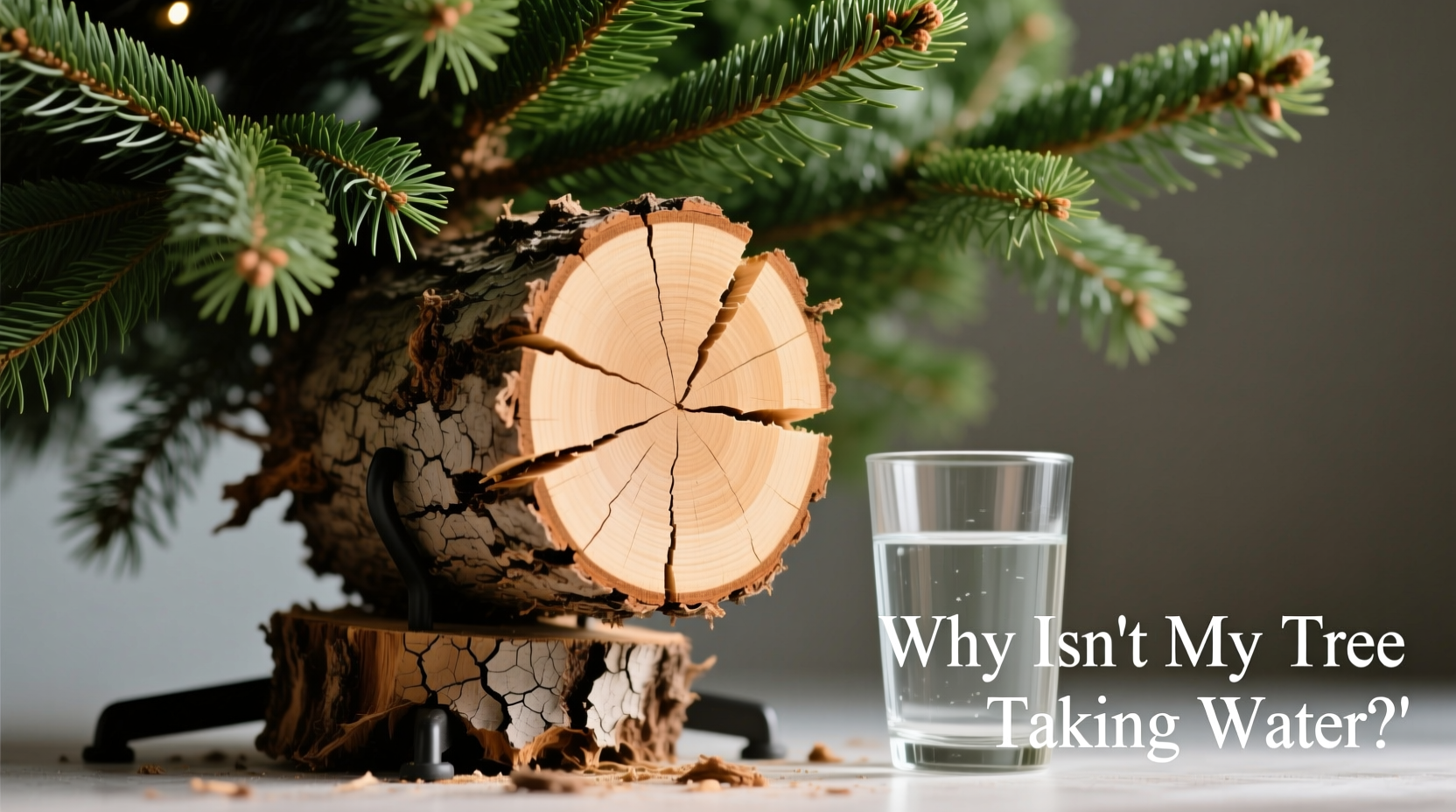
Evergreen trees absorb water through their xylem tissue—microscopic channels in the wood that act like straws. After a tree is cut, these vessels draw water upward from the base of the trunk into the branches and needles. This process relies on capillary action and transpiration: as moisture evaporates from the needles, it creates negative pressure that pulls more water up from the base.
However, once the cut end is exposed to air, resins begin to seal the surface within hours. This natural defense mechanism prevents pathogens from entering but also blocks water uptake if the tree isn’t placed in water quickly enough. Studies by agricultural extensions, including those at Cornell University, show that delayed submersion drastically reduces hydration capacity—even after just four hours out of water.
“Once the sap seals over, no amount of trimming later will fully restore original absorption rates. Timing is everything.” — Dr. Linda Chalker-Scott, Urban Horticulturist, Washington State University Extension
This means the moment you bring your tree home could determine its entire lifespan indoors. But even if you missed the ideal window, there are still steps you can take to revive water intake.
Common Reasons Your Tree Isn’t Drinking Water
Several factors can interfere with your tree’s ability to absorb water. Identifying the root cause is key to applying the correct fix.
1. Delayed Placement in Water
If the tree sat uncut or upright without water for several hours (or days) after being harvested, the cut surface may have dried and sealed with sap. This barrier prevents water from entering the xylem.
2. Dull Saw Blade Used for Cutting
A ragged, crushed cut from a dull saw damages the outer layers of the trunk and compresses the xylem, reducing effective surface area for water absorption. A clean, sharp cut is far more efficient.
3. Bacterial Buildup in the Stand
Stagnant water breeds bacteria and fungi that clog the bottom of the trunk. Over time, this biofilm acts like a plug, blocking water flow even if the tree was initially drinking well.
4. Trunk Base Pressed Against the Bottom of the Stand
For water to enter, the base must be free of obstructions. If the trunk is jammed into sediment or pressed tightly against the stand’s floor, suction cannot form properly.
5. Dehydration Before Purchase
Trees stored outdoors in sun and wind lose moisture rapidly. A tree already dehydrated at purchase has less resilience and may struggle to rehydrate, regardless of care.
Step-by-Step Guide to Restore Water Uptake
Follow this timeline-based approach to maximize your tree’s hydration potential:
- Day 0 – Immediate Action Upon Arrival (First 2 Hours)
Make a fresh cut of at least ½ inch off the base using a sharp handsaw. This removes any sealed or damaged wood and exposes open vessels. - Immediately After Cutting – Submerge in Water
Place the tree in a stand filled with room-temperature water within 30 minutes. Use plain water—no additives like bleach, aspirin, or commercial preservatives unless necessary (see below). - Day 1 – Monitor Water Levels Closely
Check the stand every few hours. A healthy tree may drink an inch or more of water within the first 24 hours. Never let the water drop below the base of the trunk. - Day 2–7 – Maintain Clean Water
Replace water daily. Rinse the stand and scrub the base of the trunk gently with a soft brush to remove biofilm. Refill with fresh water. - Day 7+ – Assess and Adjust
If water levels remain stable but the tree shows signs of drying (brittle needles, excessive shedding), consider a second cut—though effectiveness declines over time.
It’s critical to act fast. The longer you wait to make a fresh cut and add water, the lower your chances of restoring full hydration.
Do’s and Don’ts: Best Practices for Christmas Tree Care
| Do | Don’t |
|---|---|
| Make a fresh ½-inch cut before placing in stand | Use a dull blade or crush the trunk with shears |
| Keep stand filled with water at all times | Let water drop below the base even once |
| Use room-temperature water | Add sugar, soda, or floral preservatives (they promote microbes) |
| Clean the stand and change water daily | Leave old water sitting for multiple days |
| Place away from heat sources (vents, fireplaces, TVs) | Set near radiators or direct sunlight |
While many believe adding aspirin, sugar, or bleach helps, research from North Carolina State University indicates that plain tap water performs just as well—or better—than treated water. Additives often encourage microbial growth, which worsens clogging.
Real Example: Reviving a Sealed-Off Fraser Fir
Sarah from Pittsburgh bought a six-foot Fraser fir from a roadside lot. The tree had been cut two days prior and stood upright without water while awaiting sale. She brought it home, set it up, and noticed by evening that the water level hadn’t dropped at all.
After reading about sap sealing, she removed the tree, made a fresh ¾-inch cut with a sharp bow saw, and immediately submerged it in warm water. Within three hours, the water level dropped nearly half an inch. Over the next week, she changed the water daily and kept the tree away from the living room radiator. By Christmas Day, the tree remained lush and fragrant, with minimal needle drop.
Her success came down to one decision: acting quickly to reopen the vascular system before irreversible dehydration set in.
Tips to Prevent Future Hydration Issues
- Choose a tree with flexible, green needles and minimal shedding when shaken.
- Inspect the cut—dull, cracked, or darkened ends suggest poor cutting tools or age.
- Transport horizontally only if necessary, and always protect the trunk base from dirt or damage.
- Select a stand with adequate water capacity—minimum 1 gallon for trees under 7 feet.
- Check water twice daily during the first 72 hours—the peak drinking period.
When All Else Fails: What to Do If the Tree Still Won’t Drink
If you’ve followed all steps and the water level remains unchanged after 24 hours, the tree may be too far gone. At this point, assess safety:
- Is the trunk base submerged continuously?
- Are needles snapping instead of bending?
- Is there a strong odor of decay?
If the tree is dry and brittle, removal is the safest option. A dehydrated tree becomes highly flammable, especially near lights and heat sources. According to the National Fire Protection Association, dry Christmas trees contribute to hundreds of home fires each year.
In such cases, prioritize safety over sentiment. Consider switching to a fire-resistant artificial tree next year—or improving your selection and setup process for live trees.
FAQ
How much water should my Christmas tree drink per day?
A general rule is 1 quart of water per inch of trunk diameter. For example, a tree with a 2-inch trunk needs about 2 quarts (½ gallon) daily, especially in the first week.
Can I add anything to the water to help preservation?
No. Plain tap water is best. While some suggest additives like bleach (to kill bacteria) or aspirin (to mimic salicylic acid), studies show they offer little benefit and may increase microbial activity. If you choose to disinfect, use only 1 teaspoon of bleach per gallon—and replace water daily regardless.
Should I recut the trunk if the tree stops drinking after a few days?
Yes, but only if the tree hasn’t been standing dry. If the water level dropped below the base, recutting won’t help. However, if the base remained submerged and uptake slows after day 5–7, a second shallow cut (¼ inch) and fresh water may extend hydration.
Essential Checklist for Healthy Tree Hydration
- ☐ Confirm the tree was recently cut (within 24–48 hours)
- ☐ Request a fresh cut at purchase or do it yourself immediately
- ☐ Use a sharp saw—never crush or split the base
- ☐ Fill stand with room-temperature water within 30 minutes
- ☐ Choose a stand holding at least 1 gallon of water
- ☐ Keep water above the trunk base at all times
- ☐ Change water daily and rinse the stand
- ☐ Keep tree away from heat sources and direct sunlight
- ☐ Monitor needle flexibility and water consumption daily
- ☐ Remove tree if it dries out or fails to drink within 24 hours of setup
Conclusion: Keep Your Tree Fresh, Safe, and Beautiful
A Christmas tree that won’t take in water isn’t necessarily a lost cause—but time is your most important ally. From the moment it’s cut, a race begins between hydration and dehydration. With a sharp cut, immediate watering, and consistent maintenance, most trees can thrive indoors for four weeks or more.
Understanding the biology behind water uptake empowers you to make informed decisions—from selecting the right tree to avoiding common pitfalls. Whether you're hosting family gatherings or simply enjoying quiet holiday moments, a fresh, hydrated tree enhances both ambiance and safety.




 浙公网安备
33010002000092号
浙公网安备
33010002000092号 浙B2-20120091-4
Comments
No comments yet. Why don't you start the discussion?