
Dogs communicate through behavior, and while occasional floor licking may seem harmless, persistent or obsessive licking can signal underlying issues—ranging from boredom to serious health conditions. If you’ve noticed your dog repeatedly licking the floor, especially in one spot or for extended periods, it’s worth investigating. This behavior, known as compulsive licking, isn’t normal when it becomes frequent or intense. Understanding the root cause is essential to ensuring your dog’s well-being and preventing potential complications.
Understanding Compulsive Floor Licking in Dogs
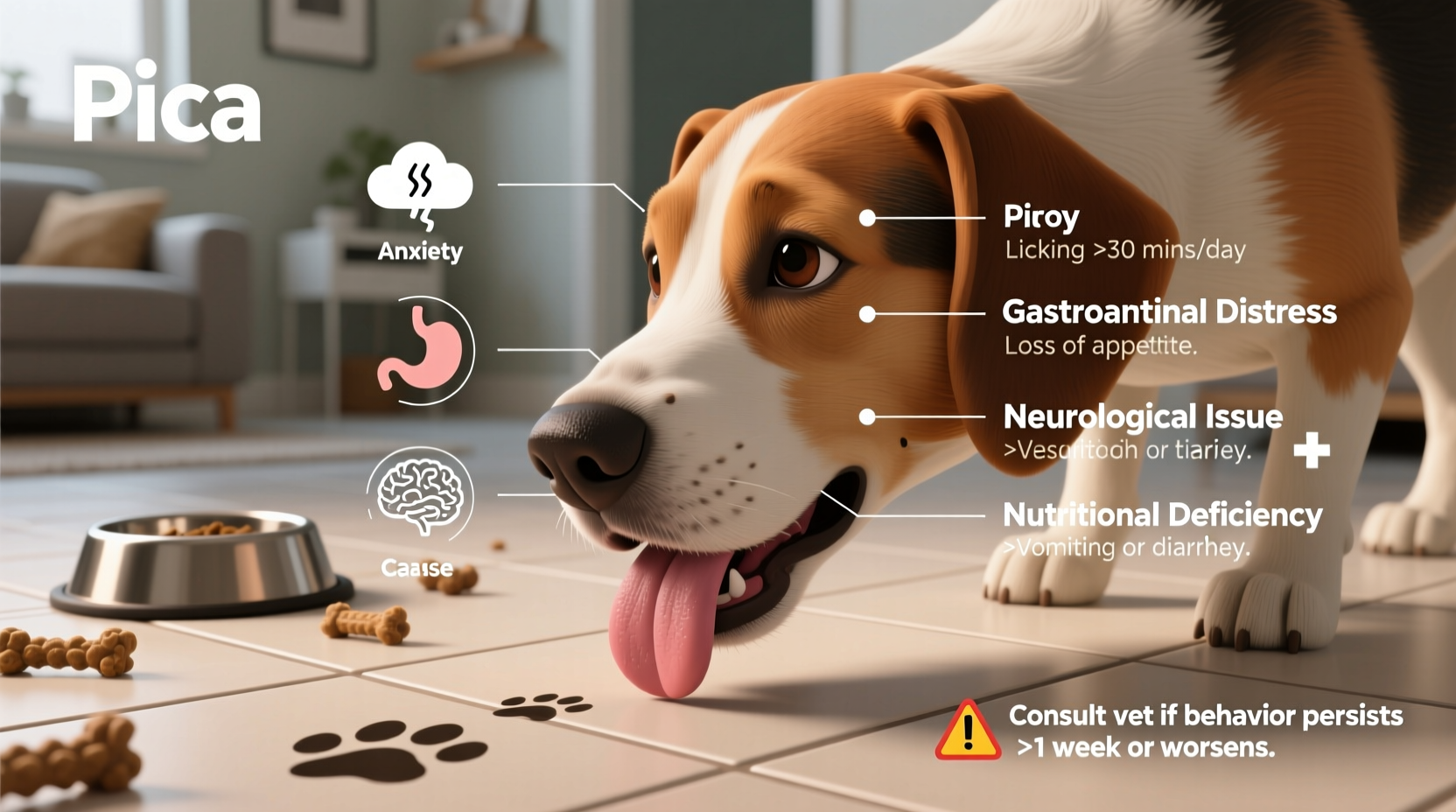
Dogs lick for various reasons: grooming, exploration, taste, or attention-seeking. However, obsessive floor licking goes beyond curiosity. It often manifests as repetitive, prolonged licking of hard surfaces—tile, wood, carpet, or even air—without an apparent trigger. Veterinarians classify this as a stereotypic behavior when it occurs out of context and serves no functional purpose.
The key distinction lies in frequency and duration. Occasional licking after meals might be tied to residual food smells. But if your dog spends minutes at a time, multiple times a day, focused on the floor with intense concentration, it’s time to take notice. This kind of behavior can lead to physical harm such as paw pad wear, dental erosion, or gastrointestinal upset from ingesting cleaning residues.
Medical Causes Behind Obsessive Floor Licking
More than half of chronic floor-licking cases have an underlying medical origin. These conditions often go unnoticed until behavioral symptoms emerge. Here are the most common medical contributors:
Gastrointestinal Issues
One of the leading medical causes is gastrointestinal distress. Dogs may lick floors due to nausea, acid reflux, or irritable bowel syndrome (IBS). The act of licking increases saliva production, which contains alkaline compounds that can temporarily soothe an irritated stomach.
A 2019 study published in the Journal of Veterinary Behavior found that 74% of dogs presenting with excessive licking had concurrent GI abnormalities, including inflammatory bowel disease (IBD) or giardia infections.
Dental Disease
Painful teeth, gum infections, or oral tumors can prompt dogs to lick surfaces excessively. They may be trying to dislodge something stuck in their mouth or alleviate discomfort. Bad breath, drooling, or reluctance to eat are accompanying signs.
Nutritional Deficiencies
Dogs lacking essential nutrients—especially B vitamins, iron, or zinc—may develop pica-like behaviors, including licking non-food items. A poor-quality diet or malabsorption disorders (like exocrine pancreatic insufficiency) can contribute.
Neurological Disorders
In rare cases, seizures or brain lesions can manifest as repetitive licking episodes. These are often accompanied by other neurological signs such as head tilting, circling, or disorientation.
Endocrine Imbalances
Conditions like Cushing’s disease, hypothyroidism, or diabetes can alter a dog’s behavior and appetite, sometimes leading to unusual oral fixation. Increased thirst and urination, weight changes, or skin issues may accompany licking.
“Excessive licking is often a silent cry for help. It’s rarely ‘just a habit’—it’s usually the body signaling discomfort.” — Dr. Laura Greenspan, DVM, Board-Certified Veterinary Behaviorist
Behavioral and Environmental Triggers
When medical causes are ruled out, behavioral factors often come into play. Dogs are sensitive creatures, and stress, anxiety, or under-stimulation can manifest in compulsive actions.
Anxiety and Stress
Dogs experiencing separation anxiety, noise phobias (e.g., thunderstorms), or household changes (new pet, move, visitor) may resort to repetitive licking as a self-soothing mechanism. It releases endorphins, creating a calming effect similar to human nail-biting.
Boredom and Lack of Stimulation
Dogs left alone for long hours without mental or physical engagement may develop compulsive habits. Licking becomes a way to pass time, especially in environments with few toys or enrichment opportunities.
Learned Attention-Seeking
If licking previously earned attention—even negative feedback like scolding—the dog may repeat the behavior to re-engage with the owner.
Obsessive-Compulsive Disorder (OCD)
Similar to humans, dogs can develop true OCD. Breeds like Doberman Pinschers, Bull Terriers, and German Shepherds are genetically predisposed. In these cases, licking becomes ritualistic and difficult to interrupt.
Step-by-Step Guide: What to Do When Your Dog Licks the Floor Obsessively
Follow this structured approach to determine the cause and appropriate response:
- Observe and Document: Note when, where, and how long the licking occurs. Record videos if possible.
- Rule Out Medical Causes: Schedule a veterinary exam. Request blood work, fecal tests, and abdominal ultrasound if GI issues are suspected.
- Evaluate Diet: Transition to a high-quality, easily digestible diet. Consider a limited-ingredient or hypoallergenic formula if food sensitivities are possible.
- Assess Environment: Identify stressors—changes in routine, new pets, loud noises—and minimize exposure.
- Increase Enrichment: Introduce interactive toys, training sessions, and daily exercise tailored to your dog’s energy level.
- Consult a Specialist: If behavior persists, seek a veterinary behaviorist for targeted therapy, which may include anti-anxiety medication.
- Monitor Progress: Track improvements weekly and adjust interventions as needed.
When to Consult a Veterinarian
Not all floor licking demands immediate concern, but certain red flags require prompt veterinary attention:
- Licking lasts more than 5–10 minutes at a time, multiple times per day
- Accompanied by vomiting, diarrhea, or loss of appetite
- Occurs suddenly in an older dog (could indicate cognitive decline or pain)
- Leads to raw spots on the tongue or lips
- Resists distraction or cannot be interrupted
- Emerges after a dietary change or medication start
Early intervention improves outcomes significantly. Delaying care can allow underlying conditions to worsen—especially in cases involving liver disease, pancreatitis, or neurological issues.
Do’s and Don’ts: Managing Floor Licking in Dogs
| Do’s | Don’ts |
|---|---|
| ✔ Schedule a vet check-up to rule out illness | ✘ Ignore persistent licking as “just a quirk” |
| ✔ Provide daily mental stimulation (puzzle feeders, nose work) | ✘ Punish the dog for licking—it increases anxiety |
| ✔ Clean floors with pet-safe products to avoid chemical ingestion | ✘ Use vinegar or citrus cleaners—dogs may lick more due to scent |
| ✔ Maintain a consistent daily routine | ✘ Leave the dog alone for long periods without enrichment |
| ✔ Try a food puzzle before meals to reduce pre-dinner anxiety | ✘ Over-supplement without veterinary guidance |
Real-Life Example: Max the Labrador’s Recovery Journey
Max, a 6-year-old Labrador Retriever, began licking the kitchen floor for up to 20 minutes after dinner. His owner initially dismissed it as post-meal cleanup. Over two months, the behavior escalated—he’d wake at night to lick baseboards and showed mild vomiting in the mornings.
A veterinary workup revealed elevated liver enzymes and bile acid abnormalities. Further imaging diagnosed early-stage liver disease. With a prescription diet, ursodiol medication, and reduced environmental stress, Max’s licking decreased within three weeks. By addressing the medical root, his quality of life improved dramatically.
This case highlights how subtle symptoms can mask serious conditions. Without investigation, Max’s liver function could have deteriorated further.
Frequently Asked Questions
Is it normal for dogs to lick the floor after eating?
Some dogs lick floors briefly after meals to clean up food residue. This is normal if it lasts less than a minute and doesn’t occur obsessively. However, prolonged licking post-meal may indicate nausea or acid reflux and should be evaluated.
Can anxiety really cause a dog to lick the floor?
Yes. Anxiety triggers compulsive behaviors in dogs, much like in humans. Licking releases endorphins, providing temporary relief. Common triggers include separation, loud noises, or changes in household dynamics. Behavioral modification and environmental management are key to resolution.
What home remedies help stop obsessive licking?
There are no reliable home remedies for chronic licking. However, improving diet quality, increasing daily exercise, and introducing enrichment activities (sniffing games, training) can reduce stress-related licking. Never use bitter sprays or aversive methods—they damage trust and increase anxiety.
Conclusion: Act Now for Your Dog’s Health
Obsessive floor licking is not a behavior to overlook. Whether rooted in medical illness, nutritional imbalance, or emotional distress, it reflects a need for deeper understanding and compassionate action. Your dog depends on you to interpret their actions and advocate for their health.
Start by documenting the behavior and scheduling a thorough veterinary exam. Address both physical and psychological aspects with patience and consistency. With the right support, most dogs can overcome compulsive licking and return to balanced, joyful living.




 浙公网安备
33010002000092号
浙公网安备
33010002000092号 浙B2-20120091-4
Comments
No comments yet. Why don't you start the discussion?