
Dogs are expressive creatures, and their behaviors—no matter how odd—usually carry meaning. If you've noticed your dog repeatedly licking the couch fabric, you're not alone. This seemingly harmless habit can be frustrating, puzzling, and even damaging to your furniture. While occasional licking might go unnoticed, a persistent obsession signals something deeper. The behavior could stem from medical conditions, psychological factors, or environmental triggers. Understanding the root cause is essential before attempting solutions. Left unchecked, compulsive licking can lead to gastrointestinal issues from ingesting fibers, worn-out upholstery, or indicate an underlying health problem needing veterinary attention.
Understanding Canine Licking Behavior
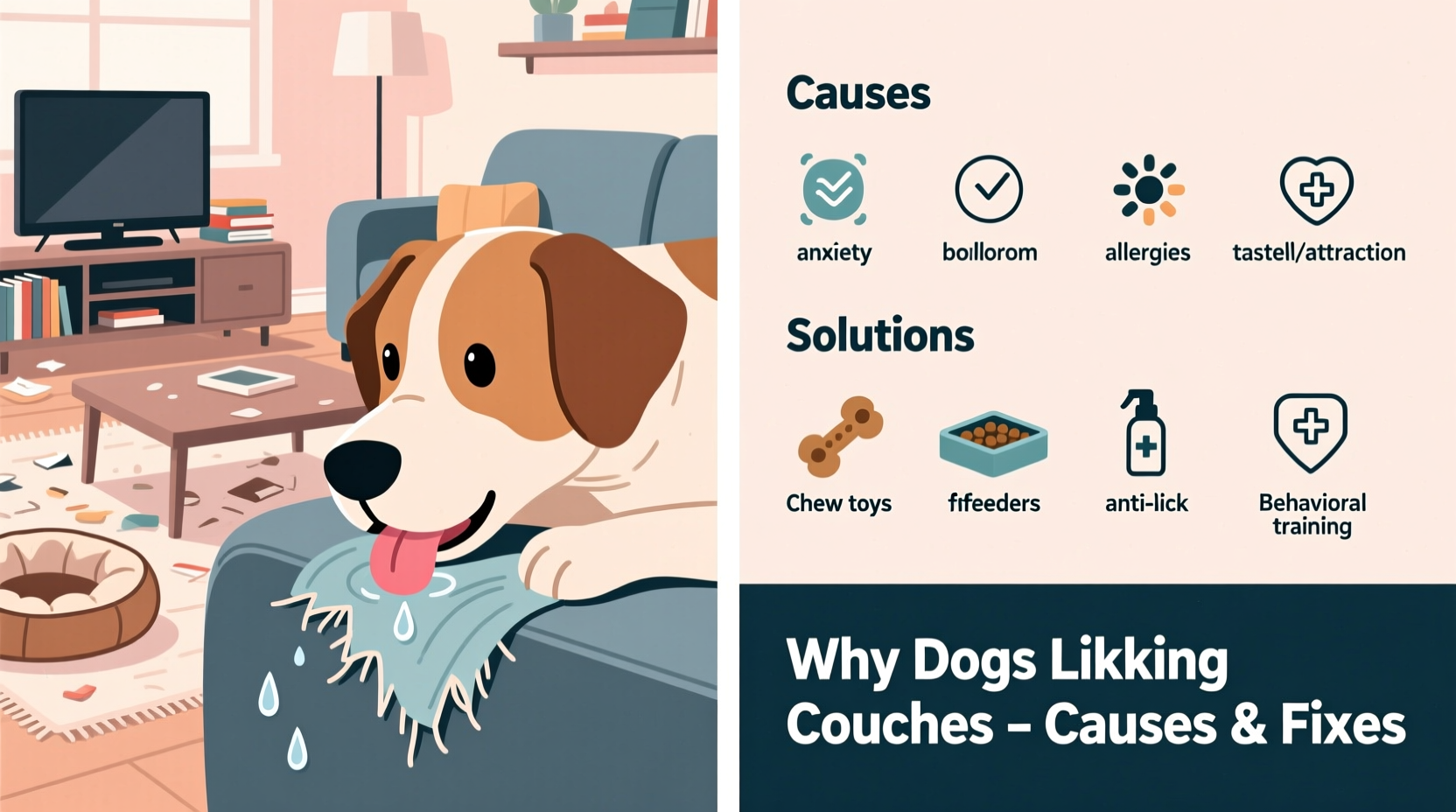
Licking is a natural behavior in dogs. Puppies lick their mothers for nourishment and comfort; adult dogs lick themselves to groom, heal minor wounds, or soothe irritated skin. They may also lick people as a sign of affection or submission. However, when this instinct extends to non-food, non-living surfaces like couch fabric, it often crosses into abnormal territory. Veterinarians and animal behaviorists classify repetitive licking of objects without apparent purpose as \"compulsive\" or \"stereotypic\" behavior—actions repeated out of context and often escalating over time.
Not all couch licking is compulsive. Some dogs are attracted to residual food crumbs, spilled drinks, or sweat stains on fabric. Others may simply enjoy the texture. But if your dog returns to the same spot daily, seems fixated, or shows signs of distress when interrupted, the behavior likely goes beyond curiosity.
Common Medical Causes Behind Couch Licking
Before assuming behavioral issues, rule out physical health problems. Dogs often lick surfaces—including furniture—as a response to internal discomfort. Gastrointestinal distress is one of the most frequent culprits. A 2017 study published in the Journal of Veterinary Behavior found that 74% of dogs exhibiting excessive floor or surface licking had an underlying medical condition, primarily gastrointestinal.
- Gastric upset: Nausea, acid reflux, or irritable bowel syndrome can prompt dogs to lick fabrics, which may stimulate saliva production and temporarily soothe the stomach.
- Dental pain: Tooth decay, gum disease, or oral tumors can make dogs chew or lick obsessively as a way to manage pain.
- Nutritional deficiencies: An unbalanced diet lacking essential minerals like sodium, iron, or zinc may trigger pica—a craving for non-food items.
- Neurological disorders: Seizures or cognitive dysfunction, especially in older dogs, can manifest as repetitive licking.
If your dog suddenly starts licking the couch, particularly if accompanied by vomiting, diarrhea, drooling, or changes in appetite, consult your veterinarian promptly. Blood work, fecal exams, and abdominal ultrasounds may be necessary to diagnose hidden ailments.
“Excessive licking of non-food surfaces is a red flag. It’s often the only outward sign of gastrointestinal distress in dogs.” — Dr. Laura Bennett, DVM, Veterinary Behavior Specialist
Psychological and Environmental Triggers
When medical causes are ruled out, the focus shifts to emotional well-being. Dogs thrive on routine and security. Disruptions in their environment or emotional state can lead to displacement behaviors—actions performed out of stress or boredom.
Anxiety and Stress
Separation anxiety is a leading cause of obsessive licking. Dogs left alone may develop rituals like licking the couch to self-soothe. Similarly, noise phobias (e.g., thunderstorms, fireworks), household changes, or new pets can trigger anxiety-related licking.
Boredom and Understimulation
A dog with insufficient mental or physical exercise may resort to licking as a form of entertainment. Breeds like Labrador Retrievers, Border Collies, or German Shepherds, which require high stimulation, are especially prone.
Compulsive Disorders
Like humans with OCD, some dogs develop compulsions due to genetic predisposition or chronic stress. These behaviors start small but intensify over time, becoming automatic responses to mild stressors.
| Cause | Signs to Watch For | Recommended Action |
|---|---|---|
| Gastrointestinal Issues | Vomiting, lip-licking, loss of appetite | Veterinary exam + GI diagnostics |
| Anxiety | Panting, pacing, destructive behavior when alone | Behavior modification + possible medication |
| Boredom | Chewing, barking, restlessness | Increase walks, puzzle toys, training |
| Nutritional Deficiency | Weight loss, dull coat, eating dirt | Diet review with vet nutritionist |
| Compulsive Disorder | Fixed routine of licking, hard to interrupt | Professional trainer or behaviorist |
Step-by-Step Guide to Stopping Couch Licking
Addressing obsessive licking requires a structured approach. Jumping straight to punishment or deterrents rarely works and can worsen anxiety. Follow these steps to identify and resolve the issue effectively.
- Rule out medical causes. Schedule a full veterinary check-up. Request blood panels, fecal tests, and a dental exam to eliminate physical illness.
- Monitor the behavior. Keep a log for 5–7 days noting when, where, and how long the licking occurs. Include environmental factors like weather, visitors, or feeding times.
- Assess your dog’s routine. Evaluate daily exercise, mental stimulation, and social interaction. Most dogs need at least 30–60 minutes of active exercise and 15–30 minutes of mental engagement (training, puzzles) per day.
- Modify the environment. Prevent access to the couch using baby gates or furniture covers. Use pet-safe bitter sprays on licked areas as a temporary deterrent.
- Redirect and reinforce. When you catch your dog licking, calmly redirect them to a chew toy or engage in a command like “sit” or “find it.” Reward alternative behaviors generously.
- Address anxiety. For separation anxiety, implement desensitization techniques—start with short departures and gradually increase duration. Consider calming aids like Thundershirts or Adaptil diffusers.
- Consult a professional. If progress stalls, seek help from a certified dog behaviorist or veterinary behaviorist. In severe cases, anti-anxiety medication may be prescribed alongside behavioral therapy.
Mini Case Study: Max, the Licking Labrador
Max, a 4-year-old yellow Labrador, began obsessively licking the corner of his owner’s microfiber sofa every evening. His family assumed he was bored and increased his walks. When the behavior persisted, they consulted a vet. Blood work revealed low cobalamin (vitamin B12) levels and inflammatory bowel disease. After starting a prescription diet and supplements, Max’s licking decreased by 80% within three weeks. The remaining episodes were addressed with puzzle feeders and scheduled play sessions, eliminating the habit entirely by week six. This case highlights how medical and behavioral strategies must work in tandem.
Prevention and Long-Term Management
Once the licking stops, maintaining progress is key. Relapses are common if underlying needs remain unmet. Prevention focuses on stability, enrichment, and consistency.
Diet and Nutrition
Feed a balanced, species-appropriate diet. Avoid fillers and artificial ingredients that can irritate the gut. Consider rotating proteins or adding probiotics if digestive sensitivity runs in your dog’s history.
Mental Enrichment
Enrichment doesn’t have to be time-consuming. Simple changes make a difference:
- Use treat-dispensing toys during TV time
- Hide kibble around the house for foraging games
- Practice obedience drills daily
- Introduce nosework or scent games
Environmental Control
Limit access to the couch if needed. Use washable, durable covers that discourage licking. Clean fabrics regularly to remove food residues or odors that may attract your dog.
Checklist: How to Respond to Couch Licking
- ✅ Rule out medical issues with a vet visit
- ✅ Track frequency, duration, and triggers
- ✅ Increase daily physical and mental exercise
- ✅ Remove access to the couch or apply deterrents
- ✅ Redirect to acceptable chewing or licking alternatives
- ✅ Reinforce calm behavior with treats and praise
- ✅ Consult a behavior specialist if no improvement in 2–3 weeks
Frequently Asked Questions
Is it harmful if my dog licks the couch occasionally?
Occasional licking, especially if linked to food residue, is usually harmless. However, frequent or intense licking can lead to ingestion of fabric fibers, causing intestinal blockages. Monitor for vomiting or constipation, and intervene if the behavior becomes ritualistic.
Can I use vinegar or lemon juice to stop the licking?
While citrus and vinegar are natural deterrents, they can damage certain fabrics and irritate your dog’s skin or respiratory system. Opt for commercial pet-safe bitter sprays instead, and always test on a small area first.
Will neutering/spaying stop the licking?
There’s no direct link between reproductive status and couch licking. While neutering can reduce certain hormonally influenced behaviors (like roaming), it won’t resolve anxiety, boredom, or medical causes behind licking.
Conclusion: Taking Action for Your Dog’s Well-Being
Obsessive couch licking is more than a quirky habit—it’s a communication tool your dog uses to express discomfort, stress, or need. Ignoring it risks worsening both mental and physical health. By approaching the behavior with patience, observation, and a systematic plan, you can uncover the root cause and restore balance to your dog’s life. Start with a veterinary evaluation, then assess lifestyle factors like exercise, diet, and mental stimulation. Small adjustments often yield dramatic results. Remember, your dog isn’t misbehaving—they’re trying to tell you something.




 浙公网安备
33010002000092号
浙公网安备
33010002000092号 浙B2-20120091-4
Comments
No comments yet. Why don't you start the discussion?