
Dogs don’t just “get over” thunderstorms. For many, the experience is deeply distressing—marked by trembling, pacing, whining, or even destructive behavior. If your dog hides under the bed at the first rumble of thunder, you're not alone. Nearly 30% of dogs show signs of noise aversion, with thunder being one of the most common triggers. Understanding why this happens and what you can do about it isn't just comforting for your dog—it strengthens your bond and improves their quality of life.
The good news? Fear of thunder isn’t something you have to accept as permanent. With the right combination of environmental management, behavioral training, and, when necessary, veterinary support, most dogs can learn to cope—or even remain calm—during storms.
Why Dogs Fear Thunder: The Science Behind the Fear
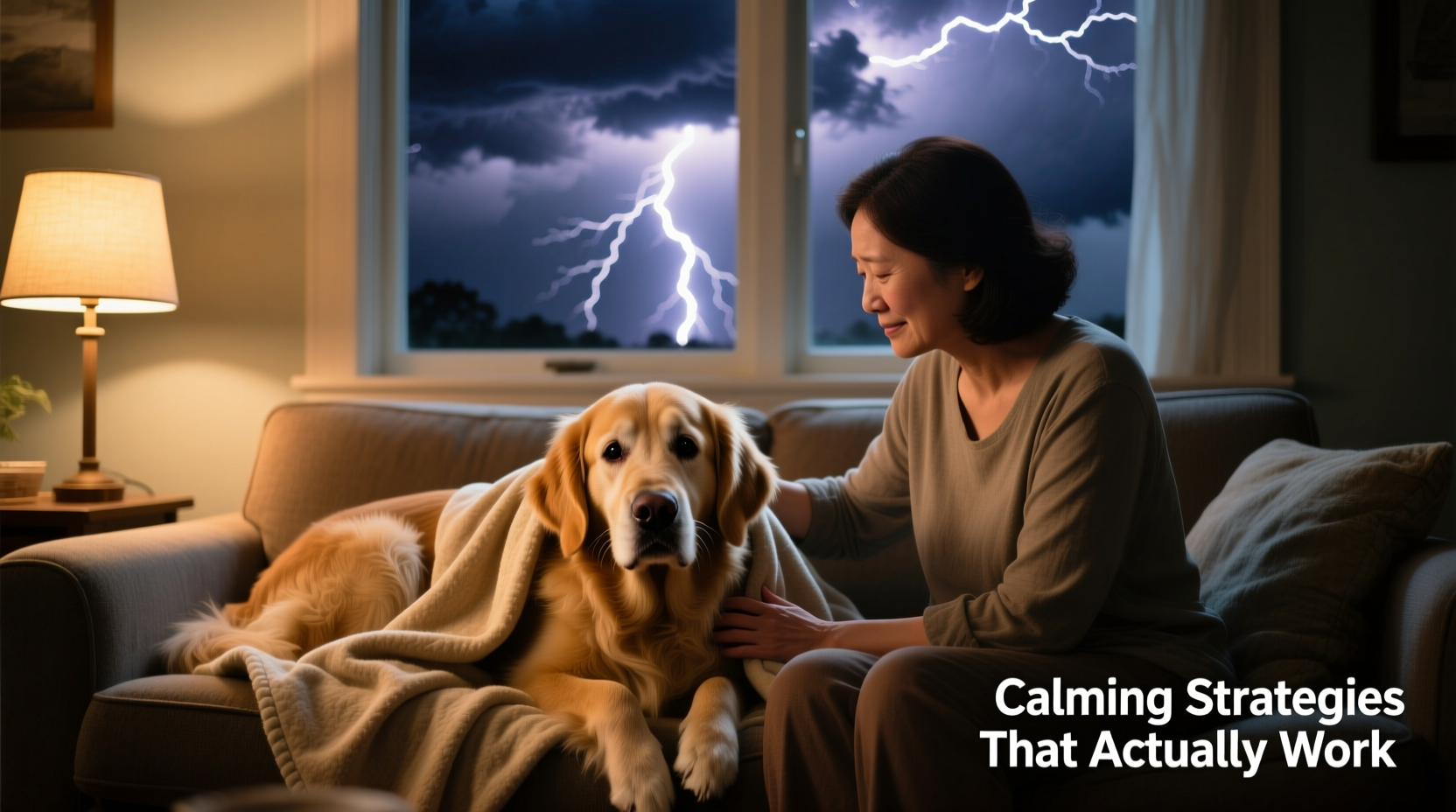
Dogs possess far more sensitive hearing than humans. They can detect frequencies up to 65,000 Hz (compared to our 20,000 Hz), making sudden loud noises like thunderclaps especially jarring. But sound intensity is only part of the story. A dog’s fear of thunder often stems from a mix of sensory overload, unpredictability, and learned associations.
- Sudden barometric pressure changes: Before a storm hits, air pressure drops. Dogs may feel this physically, leading to discomfort or anxiety.
- Vibrations in the ground: Thunder produces low-frequency rumbles that travel through the earth. Dogs can sense these vibrations through their paws, adding to their unease.
- Static electricity: Some researchers believe static buildup on a dog’s fur during storms causes mild shocks, especially in long-haired breeds, increasing panic.
- Lack of control: Unlike predictable routines, storms arrive without warning. This unpredictability heightens stress in animals who rely on routine and safety cues.
“Thunderstorm phobia in dogs is one of the most challenging noise anxieties we see because it combines multiple sensory triggers—sound, vibration, atmospheric change—and often worsens with each exposure if not addressed.” — Dr. Karen Overall, Veterinary Behaviorist
Proven Calming Strategies That Actually Work
Not all solutions marketed for thunder-anxious dogs are equally effective. Many products rely on anecdotal claims rather than clinical evidence. The following strategies are backed by veterinary research, behavioral science, and real-world success stories.
1. Create a Safe, Sound-Dampened Space
A designated safe zone reduces sensory input and gives your dog a retreat they can associate with comfort. This should be a quiet, interior room with minimal windows—like a basement, closet, or bathroom.
To reduce noise, consider:
- White noise machines or fans running continuously during storms
- Closing curtains or blinds to block lightning flashes
- Using thick rugs or sound-absorbing panels if possible
2. Use Pressure-Based Calming Aids
Many dogs respond positively to gentle, constant pressure—similar to swaddling an infant. Products like the Thundershirt apply snug, hugging pressure that can reduce anxiety symptoms in up to 80% of cases, according to independent studies.
| Product Type | How It Works | Effectiveness (Based on Studies) |
|---|---|---|
| Thundershirt / Anxiety Wrap | Applies gentle pressure to torso | ~75–80% report improvement |
| Calming Collar (e.g., Adaptil) | Releases synthetic dog-appeasing pheromones | Moderate; best for mild cases |
| Noise-canceling Canine Headphones | Blocks high-frequency sounds | Limited data; mixed user reviews |
3. Desensitization & Counterconditioning Training
This two-part behavioral method is considered the gold standard for long-term relief. It involves gradually exposing your dog to recorded thunder sounds at low volumes while pairing them with positive experiences—like treats, play, or affection.
- Start with a thunderstorm audio file played at barely audible levels.
- Give high-value treats (like chicken or cheese) every few seconds.
- Repeat daily, increasing volume only when your dog shows no signs of stress.
- Never progress if your dog tenses, whines, or tries to leave.
- Continue over weeks or months until full storm volume elicits a relaxed response.
4. Medication and Supplements (Under Veterinary Guidance)
For dogs with severe phobias, behavioral training alone may not suffice. In such cases, veterinarians may recommend short-term or situational medications.
- Sileo (dexmedetomidine gel): FDA-approved for noise aversion. Applied orally, takes effect in 15–30 minutes. Requires prescription.
- SSRIs (e.g., fluoxetine): For chronic anxiety, used daily over months to alter brain chemistry.
- Natural supplements: Ingredients like L-theanine, chamomile, and alpha-casozepine (found in Zylkène) may help mild cases.
Always consult your vet before starting any medication. Never use human sedatives like Benadryl without professional advice—dosage and side effects vary significantly in dogs.
Real Example: How Max Learned to Tolerate Storms
Max, a 4-year-old Border Collie from Ohio, would howl and scratch at doors whenever thunder approached. His owners initially tried crating him, which only increased his panic. After consulting a veterinary behaviorist, they implemented a multi-pronged plan:
- Created a padded den in their basement with blackout curtains and a white noise machine
- Began a 10-week desensitization program using storm recordings
- Used a Thundershirt during real storms
- Administered Sileo during severe weather after vet approval
Within five months, Max no longer showed signs of distress during moderate storms. He now lies calmly in his den, chewing a stuffed Kong, while thunder rolls outside. His case highlights that consistency and patience yield results—even for deeply ingrained fears.
Common Mistakes That Make Thunder Fear Worse
Well-meaning actions can unintentionally reinforce fear. Avoid these pitfalls:
| Mistake | Why It’s Harmful | Better Alternative |
|---|---|---|
| Petting or soothing during panic | Rewards fearful behavior; teaches dog that fear gets attention | Stay calm, neutral, and redirect to a positive activity if possible |
| Forcing exposure (“they’ll get used to it”) | Increases trauma and deepens phobia | Use gradual, controlled desensitization instead |
| Ignoring the problem | Fear often worsens over time without intervention | Start prevention early, especially in young dogs |
Step-by-Step Action Plan for Thunderstorm Season
Prepare before storm season begins. Follow this timeline for best results:
- 8–12 Weeks Before Storm Season: Set up your dog’s safe space and begin desensitization training with low-volume recordings.
- 4 Weeks Before: Introduce the Thundershirt or calming collar during non-stressful times so your dog associates it with comfort.
- When a Storm Is Forecasted:
- Close windows and curtains early
- Turn on white noise or calming music
- Offer a food puzzle or chew toy to encourage distraction
- During the Storm:
- Stay calm—your energy affects your dog
- Do not reward panic with excessive attention
- Administer prescribed medication if needed
- After the Storm: Praise calm behavior and reset the environment. Note what worked for future reference.
Frequently Asked Questions
Can puppies outgrow thunder fear?
Some dogs may become less reactive with age, but untreated fear often intensifies. Early intervention through socialization and desensitization offers the best chance of preventing lifelong phobias.
Are certain breeds more prone to thunder anxiety?
Yes. Herding breeds (like Border Collies and Australian Shepherds), retrievers, and hounds show higher rates of noise sensitivity. However, any dog can develop a fear, regardless of breed.
Is it okay to let my dog stay with me during a storm?
If your presence calms them and doesn’t reinforce panic, yes. But avoid overly comforting fearful behavior. Instead, model calmness and offer distractions like toys or light play.
Final Thoughts: Help Your Dog Feel Safe
Fear of thunder isn’t disobedience—it’s distress. Recognizing that your dog isn’t acting out of defiance but out of genuine anxiety is the first step toward meaningful help. The strategies outlined here aren’t quick fixes, but they are proven methods that, when applied consistently, can transform your dog’s experience of storms from traumatic to manageable.
Start small. Build a safe space. Begin desensitization. Consult your veterinarian. Every effort you make strengthens your dog’s emotional resilience. And remember: progress may be slow, but even reduced trembling or shorter recovery time after a storm is a victory worth celebrating.




 浙公网安备
33010002000092号
浙公网安备
33010002000092号 浙B2-20120091-4
Comments
No comments yet. Why don't you start the discussion?