
Waking up with a damp pillow or noticing moisture when cleaning your ears can be unsettling. A wet sensation inside the ear isn't always a sign of serious illness, but it shouldn’t be ignored. The ear produces natural fluids, but excess wetness—especially if accompanied by odor, pain, or hearing changes—can point to underlying conditions. Understanding the root causes and knowing how to respond safely is essential for maintaining ear health and preventing complications.
Common Causes of a Wet Ear Canal
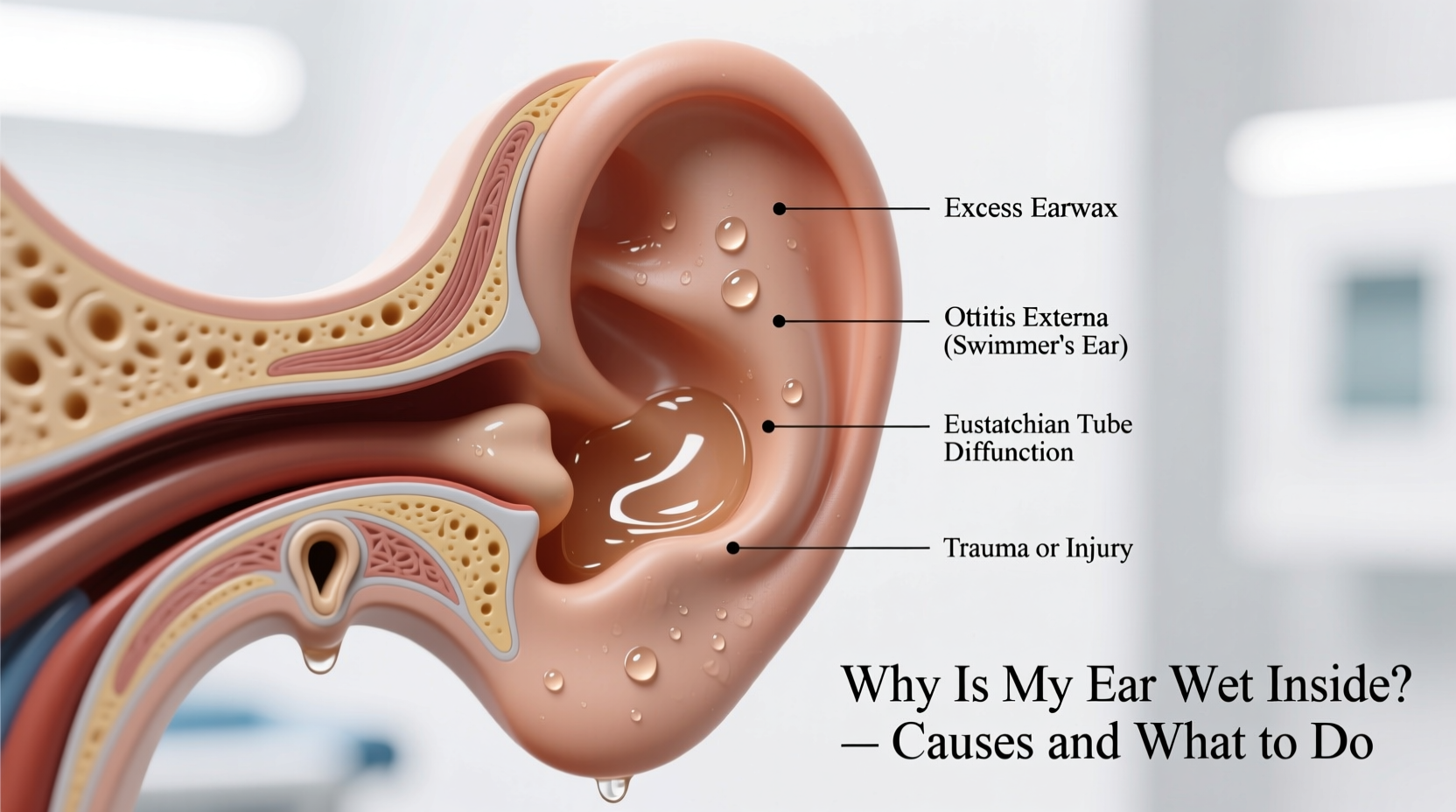
The inner ear is designed to be self-cleaning, producing cerumen (earwax) that traps debris and protects the delicate skin of the ear canal. However, several factors can disrupt this balance and lead to abnormal wetness.
- Earwax buildup: While earwax is typically waxy and sticky, it can become moist and liquefied, especially after sweating or exposure to humidity. Excessive wax may mix with water and create a damp feeling.
- Swimmer’s ear (otitis externa): This bacterial or fungal infection occurs when water remains trapped in the ear canal, creating a breeding ground for pathogens. It’s common after swimming or showering and often causes itching, redness, and discharge.
- Otitis media with effusion: Fluid buildup behind the eardrum due to middle ear inflammation. While not always associated with infection, this condition can cause a sensation of fullness and occasional drainage if the eardrum ruptures.
- Sweat or environmental moisture: Physical activity, hot climates, or wearing headphones for long periods can trap sweat in the ear canal, leading to temporary wetness.
- Allergic reactions or dermatitis: Skin conditions like eczema or allergic contact dermatitis can cause weeping or oozing in the ear canal, especially if irritated by earrings, hearing aids, or cleaning products.
- Cerebrospinal fluid (CSF) leak: Rare but serious, a clear fluid leak may indicate a skull base fracture or spontaneous CSF leak. This fluid is usually clear, persistent, and worsens when leaning forward.
When Wetness Signals an Infection
Not all ear moisture is harmless. Infections often present with additional symptoms that signal the need for medical attention.
Swimmer’s ear typically begins with mild itching and progresses to pain, swelling, and yellow or greenish discharge. The ear may feel blocked, and touching the outer ear can be painful—a key indicator distinguishing it from middle ear infections.
According to Dr. Lena Torres, an otolaryngologist at Boston Ear Institute:
“Persistent wetness combined with pain, odor, or hearing loss is rarely due to simple wax. It’s often early-stage otitis externa, which requires topical antibiotics. Delayed treatment can lead to severe swelling or even cellulitis.”
Similarly, chronic otitis media with effusion—common in children but also seen in adults—can cause a sensation of fluid shifting in the ear. If the eardrum perforates, pus or clear fluid may drain. Unlike swimmer’s ear, there’s usually less pain but more pressure and muffled hearing.
Recognizing Dangerous Symptoms
Seek immediate care if you experience:
- Clear, watery fluid dripping steadily from the ear (possible CSF leak)
- Fever accompanying ear discharge
- Sudden hearing loss or dizziness
- Bloody discharge
- Facial weakness or numbness
Step-by-Step: What to Do When Your Ear Feels Wet
Responding appropriately depends on the suspected cause. Follow this sequence to assess and manage the issue safely.
- Stop using cotton swabs or earbuds: These tools disrupt the ear’s natural cleaning process and increase infection risk.
- Dry the outer ear gently: Tilt your head and use a soft towel or a hairdryer on low, held at least a foot away.
- Evaluate symptoms: Note any pain, odor, hearing changes, or fever. Document the color and consistency of any discharge.
- Try over-the-counter drying drops (if no pain): Products with alcohol and glycerin can help evaporate residual moisture after swimming.
- Monitor for 24–48 hours: Mild wetness from sweat or humidity should resolve on its own.
- See a healthcare provider if symptoms persist: Especially if pain develops or discharge continues.
Do’s and Don’ts: Managing Ear Moisture
| Do’s | Don’ts |
|---|---|
| Use a warm compress to relieve ear discomfort | Insert cotton swabs, bobby pins, or fingers into the ear |
| Tilt your head to drain water after showers | Use ear candles—they’re unsafe and ineffective |
| Wear silicone earplugs while swimming | Apply essential oils or homemade remedies without medical advice |
| Keep ears dry during recovery from infection | Ignore foul-smelling or bloody discharge |
| Follow up with an ENT specialist for recurring issues | Self-treat with leftover antibiotic drops |
Real Example: A Case of Misdiagnosed Moisture
Mark, a 34-year-old fitness instructor, noticed his left ear felt constantly damp after daily workouts. He assumed it was sweat and used cotton swabs to “clean” it weekly. Over time, he developed a dull ache and a faint yellow discharge. After two weeks, the pain intensified, and his ear swelled shut.
At the clinic, an otoscope revealed severe otitis externa with abscess formation. The doctor explained that repeated irritation from swabs had damaged the skin, allowing bacteria to invade. Mark required prescription ear drops and oral antibiotics. His recovery took three weeks, and he now uses vented headphones and avoids inserting anything into his ears.
This case highlights how seemingly minor habits can escalate into serious conditions when warning signs are overlooked.
Prevention Checklist
Protect your ears with these practical steps:
- ✅ Use waterproof earplugs when swimming
- ✅ Dry ears thoroughly after bathing or exercise
- ✅ Avoid sharing headphones or earbuds
- ✅ Clean hearing aids daily with a dry cloth
- ✅ Get regular ear checkups if prone to wax buildup
- ✅ Treat allergies or skin conditions affecting the ears
Frequently Asked Questions
Is it normal for my ear to feel wet without discharge?
Yes, in some cases. High humidity, intense sweating, or recent water exposure can leave a damp sensation without visible fluid. If it resolves within hours and causes no pain, it’s likely harmless. Persistent wetness warrants evaluation.
Can earwax cause a wet feeling?
Absolutely. Earwax can absorb moisture and soften, creating a sticky or wet sensation. Impacted wax may also press against the eardrum, causing fullness and mild drainage. Never attempt to remove deep wax yourself—see a professional for irrigation or micro-suction.
How long does swimmer’s ear last with treatment?
With proper antibiotic or antifungal ear drops, symptoms usually improve within 48 hours and resolve in 7–10 days. Pain and swelling may linger briefly. Completing the full course of treatment is crucial to prevent recurrence.
Conclusion: Take Ear Health Seriously
A wet ear isn’t always alarming, but it’s a signal your body sends for a reason. Whether it’s benign moisture from sweat or a brewing infection, how you respond makes all the difference. Ignoring symptoms or resorting to unsafe cleaning methods can turn a minor issue into a prolonged problem. By understanding the causes, recognizing red flags, and adopting preventive habits, you protect not just your hearing but your overall well-being.




 浙公网安备
33010002000092号
浙公网安备
33010002000092号 浙B2-20120091-4
Comments
No comments yet. Why don't you start the discussion?