
If you’ve ever applied a full face of makeup only to notice shiny patches, cracking, or flaking around your nose just hours later, you’re not alone. Foundation separation—especially across the nose—is one of the most common complaints among makeup wearers. The area often becomes a hotspot for product breakdown, leaving behind uneven texture, visible lines, and an overall unpolished appearance by midday. While it may seem like a flaw in your foundation, the root causes are usually more complex, involving skin type, preparation, product compatibility, and environmental factors. Understanding why this happens—and how to fix it with the right primers and techniques—can transform your makeup routine from frustrating to flawless.
The Science Behind Foundation Separation on the Nose
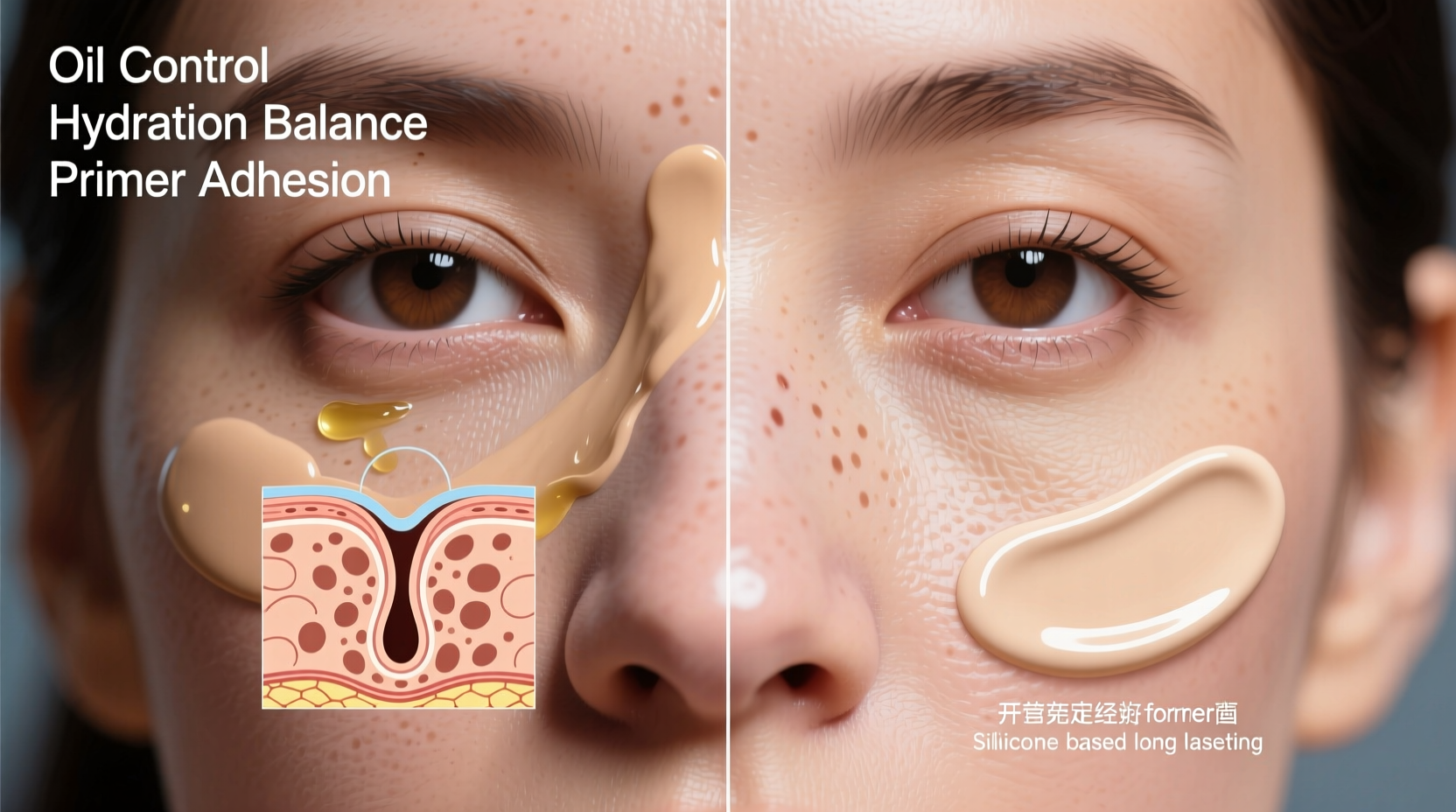
The nose is uniquely prone to foundation issues due to its anatomical and physiological characteristics. It has a high concentration of sebaceous (oil-producing) glands, making it naturally oilier than other areas of the face. This excess sebum can break down foundation over time, causing it to slide, separate, or oxidize unevenly. Additionally, the nose sits at the center of facial movement—breathing, talking, and even smiling create subtle shifts in the skin that can disrupt makeup adhesion.
Foundation separation occurs when the formula breaks apart into patches, often due to incompatible layers, moisture imbalance, or product buildup. This is especially noticeable on textured or enlarged pores, which trap product and create a “cracked” effect as oils rise to the surface. When foundation separates, it doesn’t just look patchy—it can emphasize fine lines, darken pores, and make touch-ups difficult.
“Makeup longevity isn’t just about the foundation you use—it’s about how well you prepare the canvas.” — Lila Chen, Celebrity Makeup Artist & Skincare Educator
Common Causes of Midday Foundation Breakdown
Understanding what triggers separation is the first step toward prevention. Below are the primary culprits behind why your foundation fails on the nose by noon:
- Excess Oil Production: The T-zone, particularly the nose, produces more oil throughout the day. This natural sebum mixes with foundation, breaking down its emulsion and causing it to slide or separate.
- Poor Skin Preparation: Skipping cleansing, moisturizing, or using products that don’t suit your skin type can lead to dehydration or greasiness—both of which compromise foundation adherence.
- Incompatible Primer-Foundation Pairing: Using a silicone-based foundation over a water-based primer (or vice versa) can cause pilling or beading, especially if layers aren’t fully absorbed.
- Overloading Product: Applying too much foundation or layering multiple heavy products increases the likelihood of caking and separation, particularly in crease-prone areas.
- Environmental Factors: Humidity, heat, and pollution accelerate oil production and degrade makeup integrity, especially during summer months or in urban environments.
- Skin Texture and Pore Size: Enlarged pores on the nose act like tiny reservoirs, trapping foundation and allowing oil to push it upward, creating a speckled or cracked appearance.
Choosing the Right Primer: A Strategic Fix
Primer isn’t just an optional extra—it’s a critical barrier between your skin and foundation that can prevent separation before it starts. The key is selecting a primer designed for your specific concern and skin type.
| Skin Concern | Recommended Primer Type | Key Ingredients | Top Picks |
|---|---|---|---|
| Oily T-Zone | Mattifying / Oil-Control | Clay, silica, salicylic acid | Fenty Beauty Pro Filt’r Mattifying Primer, Smashbox Photo Finish Oil Control |
| Large Pores | Pore-Filling Silicone | Cyclopentasiloxane, dimethicone | Benefit POREfessional, NYX Pore Filler |
| Dryness/Flaking | Hydrating / Dewy Finish | Hyaluronic acid, glycerin, squalane | Glossier Prime Balm, Milk Hydro Grip |
| Combination Skin | Zoned Application Strategy | Mixed formulas based on area | Use mattifying on nose, hydrating on cheeks |
For nose-specific concerns, targeted application works best. Instead of applying one primer all over, consider using different types where needed. For example, apply a pore-minimizing silicone primer directly on the nose while using a lighter hydrating version on drier areas like the cheeks. This hybrid approach balances control and comfort without over-drying or overloading any single zone.
How to Apply Primer Correctly for Maximum Hold
Even the best primer won’t work if applied incorrectly. Follow this step-by-step method:
- Cleanse and Tone: Start with a gentle cleanser and pH-balancing toner to remove residue and prep the skin’s surface.
- Moisturize Lightly: Use an oil-free, non-comedogenic moisturizer suited to your skin type. Allow it to absorb completely (3–5 minutes).
- Apply Primer Strategically: Take a pea-sized amount and focus only on the nose and surrounding T-zone. Use fingertips or a stippling brush to press—not rub—the product into the skin.
- Wait Before Foundation: Let the primer set for 2–3 minutes. You should feel a slight tackiness—this helps foundation grip better.
- Set With Translucent Powder (Optional): For extremely oily skin, lightly dust a translucent powder over the primer before foundation to create a longer-lasting base.
Real-World Example: Sarah’s 12-Hour Wear Transformation
Sarah, a 32-year-old project manager, struggled daily with her foundation cracking across her nose by 1 PM, despite reapplying during lunch. She used a full-coverage matte foundation and a basic drugstore primer she applied all over her face. After consulting a dermatological esthetician, she discovered her routine was working against her: her combination skin had oily pores on the nose but dry patches on the sides.
The solution? She switched to a zonal prep strategy: a hydrating primer on her cheeks and a silicone-based pore refiner just on her nose. She also began using a water-based moisturizer instead of her thick cream and waited five minutes before applying makeup. Within days, her foundation stayed intact past 6 PM—even during back-to-back meetings. The change wasn’t in her foundation; it was in how she prepped the area most prone to failure.
Do’s and Don’ts for Preventing Foundation Separation
“Most people treat their entire face the same, but the nose needs specialized attention. Think of it like tire treads—smooth them out before laying down the road.” — Jamal Reyes, Lead Artist at Atelier Makeup Studio
| Do’s | Don’ts |
|---|---|
| Use a dedicated pore-minimizing primer on the nose | Apply heavy moisturizer directly before foundation |
| Blot excess oil throughout the day with tissue paper | Touch up with more foundation without blotting first |
| Allow each layer to dry before adding the next | Layer silicone-heavy products without waiting |
| Exfoliate 2–3 times weekly to prevent dead skin buildup | Scrub aggressively, which can irritate and increase oil production |
| Use a setting spray with a matte finish for added hold | Rely solely on powder to fix separation after it occurs |
Complete Checklist: Stop Nose Separation in 7 Steps
Follow this daily checklist to build a foundation-resistant routine:
- Double cleanse at night to remove sunscreen and makeup residue.
- Use a chemical exfoliant (like salicylic or lactic acid) 2–3 times per week to smooth texture.
- Apply a lightweight, oil-free moisturizer morning and night.
- Select a nose-targeted primer based on your main concern (oil, pores, dryness).
- Apply primer only where needed—focus on the nose bridge and sides.
- Let primer set for 2–3 minutes before foundation application.
- Finish with a light mist of setting spray, holding the bottle at arm’s length.
Frequently Asked Questions
Can I use two different primers on the same face?
Absolutely. In fact, dermatologists and professional artists recommend “zoning” your face based on skin needs. Use a mattifying or pore-filling primer on the nose and a hydrating one on dry areas like cheeks. Just ensure each layer absorbs fully before moving on.
Does powder help once separation has already started?
Not effectively. If your foundation is already separating, adding powder will likely worsen the cakey texture. Instead, gently blot the area with tissue, then lightly press a small amount of fresh foundation or concealer only where needed. Finish with a setting spray to meld the layers.
Is it better to use liquid or cream primer on the nose?
Liquid primers—especially silicone-based ones—are ideal for the nose because they glide smoothly into pores and create a flat surface. Cream primers can be too dense and may pill when layered, especially if not fully absorbed.
Final Thoughts: Build a Smarter Base, Not a Thicker One
Foundation separation on the nose isn’t inevitable—it’s a signal that your current routine isn’t aligned with your skin’s behavior. Rather than reaching for heavier coverage or more powder, focus on intelligent preparation. The right primer, applied correctly and strategically, acts as both armor and adhesive, keeping your foundation intact through humidity, movement, and natural oil production.
Remember, long-wearing makeup isn’t about quantity—it’s about precision. Treat the nose as a high-maintenance zone that deserves special attention. With consistent adjustments to your prep, you’ll see dramatic improvements in how your foundation holds up, not just by noon, but well into the evening.




 浙公网安备
33010002000092号
浙公网安备
33010002000092号 浙B2-20120091-4
Comments
No comments yet. Why don't you start the discussion?