
A refrigerator is one of the most reliable appliances in any home—until it starts making strange noises. If you’ve recently noticed a loud humming sound coming from your fridge, it’s natural to wonder whether this is just part of its normal operation or a sign of something more serious. While some level of background noise is expected, a sudden increase in volume or changes in tone can indicate underlying mechanical issues. Understanding the causes behind the hum, recognizing warning signs, and knowing when to seek professional help can save you time, money, and prevent food spoilage.
Understanding Normal vs. Abnormal Fridge Noises
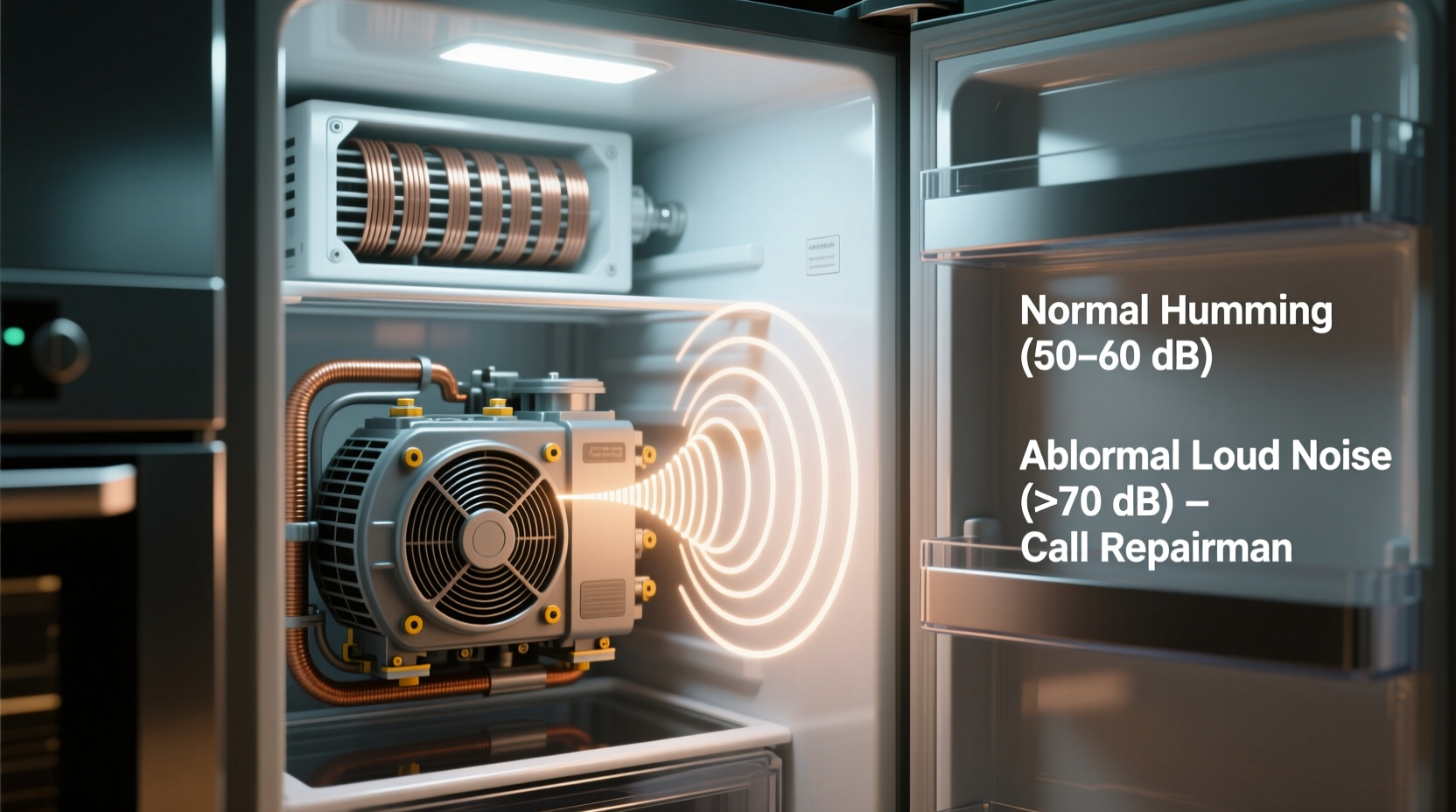
All refrigerators produce some degree of noise during operation. A low, consistent hum typically comes from the compressor or condenser fan as they regulate temperature. This baseline sound is usually steady and unobtrusive—something you might only notice in a quiet kitchen at night. However, when that hum becomes noticeably louder, vibrates through cabinets, or shifts into a buzzing, grinding, or rattling tone, it may point to developing problems.
The key difference lies in consistency and change. If your fridge has always made a soft hum since installation, that’s likely normal. But if the noise has intensified over days or weeks—or appears suddenly after being silent—it warrants investigation.
“Not all fridge noises are created equal. A subtle hum is expected; a loud, pulsating drone often signals stress in the cooling system.” — James Liao, Appliance Repair Technician with 15+ years of field experience
Common Causes of Loud Humming in Refrigerators
Loud humming doesn’t automatically mean your fridge is on the brink of failure, but it does suggest that one or more components are working harder than intended. Below are the most frequent culprits:
1. Compressor Under Strain
The compressor is the heart of your refrigerator’s cooling system. It circulates refrigerant and maintains internal temperature. When functioning properly, it emits a low-frequency hum. Over time, however, wear, dust buildup, or electrical issues can cause it to labor, resulting in a louder, more persistent noise.
Signs of compressor strain include:
- Hum that pulses on and off every few minutes
- Vibrations felt in nearby cabinetry
- Frequent cycling (short bursts of operation)
- Inconsistent cooling performance
2. Dirty or Obstructed Condenser Coils
Located either at the back or beneath the unit, condenser coils release heat absorbed from inside the fridge. When coated in dust, pet hair, or debris, these coils struggle to dissipate heat efficiently. As a result, the compressor runs longer and harder, amplifying the hum.
3. Faulty Evaporator or Condenser Fan Motor
Fans circulate air across evaporator and condenser coils. If the motor bearings wear out or blades become unbalanced, they generate a high-pitched whine or deep drone. Often mistaken for compressor noise, fan-related sounds tend to be more constant and may stop when the door is opened (since the fan shuts off).
4. Loose Components or Mounting Screws
Vibrations from daily use can loosen internal brackets, panels, or mounting hardware. These parts may rattle against each other, creating a humming or buzzing effect. Check for loose shelves, water lines, or external grills that vibrate when the fridge cycles on.
5. Leveling Issues
If your refrigerator isn’t level, it can create mechanical tension in the compressor or shift internal components slightly, leading to increased vibration and noise. Uneven flooring or recent movement (e.g., post-cleaning) often contributes to this issue.
Step-by-Step Guide: Diagnosing the Source of the Hum
Before calling a technician, perform a systematic check to identify the origin of the noise. Follow this timeline to assess your fridge safely and effectively:
- Unplug the fridge – For safety, disconnect power before inspection.
- Clear space around the unit – Pull the fridge away from the wall to access the rear and underside.
- Inspect for obstructions – Look for items touching the back, such as cords, curtains, or storage bins, that could amplify vibrations.
- Clean the condenser coils – Use a soft brush or vacuum to remove dust buildup. Do not use water or harsh cleaners.
- Check leveling – Place a bubble level on the top shelf. Adjust front legs until the fridge is balanced side-to-side and front-to-back.
- Listen closely once powered back on – Stand near the fridge for several minutes. Note when the hum starts, how long it lasts, and whether it changes pitch.
- Open the freezer – If the noise stops or changes when the door opens, the evaporator fan may be involved.
- Feel for vibration – Place your hand gently on the sides and top. Excessive shaking suggests compressor or fan imbalance.
This process helps narrow down possible causes and provides valuable information if you need to contact a repair service.
When to Call a Repairman: Warning Signs You Can’t Ignore
Some humming noises resolve with basic maintenance. Others signal deeper mechanical failures requiring expert attention. Here are clear indicators it’s time to call a qualified appliance technician:
| Symptom | Possible Cause | Action Required |
|---|---|---|
| Hum grows progressively louder over days | Compressor degradation or failing motor | Professional diagnosis needed within 1 week |
| Fridge fails to cool despite running constantly | Refrigerant leak or compressor failure | Immediate service recommended |
| Hum accompanied by burning smell or smoke | Electrical short or overheating component | Unplug immediately and call technician |
| Noise persists after cleaning and leveling | Internal mechanical fault | Schedule inspection within 3–5 days |
| Frequent clicking or buzzing along with hum | Start relay or capacitor failure | Requires electrical testing by professional |
Delaying repairs in these situations risks complete breakdown, higher repair costs, or total replacement. Early intervention often saves hundreds of dollars and prevents food loss.
Tips and Best Practices for Long-Term Fridge Health
Maintaining your refrigerator goes beyond fixing current issues—it’s about preventing future ones. Implementing simple habits can extend the life of your appliance and keep noise levels minimal.
- Keep coils clean: Schedule biannual coil cleaning, especially in homes with pets or high dust levels.
- Avoid overloading: Stuffed shelves restrict air circulation, forcing fans and compressors to work harder.
- Mind ambient temperature: Don’t place your fridge near ovens, dishwashers, or direct sunlight. Heat exposure increases workload.
- Monitor door seals: Worn gaskets let cold air escape, causing longer run cycles and louder operation.
- Listen regularly: Make it a habit to listen to your fridge weekly. Familiarity helps catch changes early.
Mini Case Study: The Weekend Noise That Turned Into an Emergency
Sarah from Portland noticed her Samsung refrigerator began humming unusually loudly one Friday evening. At first, she dismissed it as seasonal change—summer heat often made appliances run more. But by Sunday, the noise had turned into a rhythmic thumping, and the freezer was no longer forming ice cubes.
She followed online advice: cleaned the coils, checked leveling, and ensured nothing was blocking airflow. The hum persisted. On Monday morning, she called a local technician who diagnosed a failing start capacitor—a small but critical part that helps the compressor initiate each cycle. Without it, the motor struggled to engage, drawing excess current and producing excessive noise.
The repair cost $140, including parts and labor. Had Sarah waited longer, the compressor could have burned out completely, requiring a $700+ replacement. Her prompt action saved both money and spoiled groceries.
Frequently Asked Questions
Is a loud humming fridge dangerous?
Not always, but it can be. A persistently loud hum without other symptoms may just indicate inefficiency. However, if the noise is accompanied by overheating, burning smells, or electrical tripping, unplug the unit immediately and contact a technician. Electrical faults pose fire risks.
Can I fix a noisy fridge myself?
You can attempt basic fixes like cleaning coils, checking leveling, and tightening loose panels. However, internal components such as compressors, relays, and sealed refrigerant systems require specialized tools and training. DIY attempts on these parts can void warranties or cause further damage.
How long should a refrigerator compressor last?
Most compressors last between 10 and 15 years under normal conditions. Regular maintenance, proper ventilation, and stable power supply contribute to longevity. If your fridge is older than 12 years and develops a loud hum, consider whether repair is cost-effective versus replacement.
Final Checklist: What to Do When Your Fridge Starts Humming Loudly
- ✅ Confirm the noise is new or significantly louder than usual
- ✅ Unplug the fridge and inspect for visible debris or obstructions
- ✅ Clean condenser coils thoroughly
- ✅ Ensure the refrigerator is level and has adequate rear clearance
- ✅ Plug back in and observe operation for at least 30 minutes
- ✅ Test cooling performance in both fridge and freezer compartments
- ✅ If noise continues or worsens, document symptoms and contact a certified technician
Conclusion: Don’t Wait Until It’s Too Late
A loud humming noise from your refrigerator isn’t something to ignore—even if cooling seems unaffected. Small mechanical stresses today can lead to major failures tomorrow. By understanding common causes, performing routine checks, and acting quickly when anomalies arise, you protect both your investment and your household’s comfort.
If troubleshooting steps don’t resolve the issue, or if you observe warning signs like inconsistent cooling, burning odors, or electrical issues, don’t hesitate to call a licensed repair professional. Timely intervention preserves appliance lifespan, reduces energy bills, and prevents inconvenient breakdowns.




 浙公网安备
33010002000092号
浙公网安备
33010002000092号 浙B2-20120091-4
Comments
No comments yet. Why don't you start the discussion?